Explore the Future: 2025's Best Dome Planetarium Innovations Revealed
As we step into a new era of technological advancements,
Dome Planetariums are at the forefront of educational
and immersive experiences. By 2025, industry reports indicate that the
global market for planetarium systems is
projected to reach approximately $250 million, driven by innovations that enhance
user engagement and educational content delivery. The incorporation of advanced projection technology,
such as 8K resolution and 3D capabilities, is revolutionizing the way
audiences interact with astronomical narratives, making learning more dynamic and impactful.
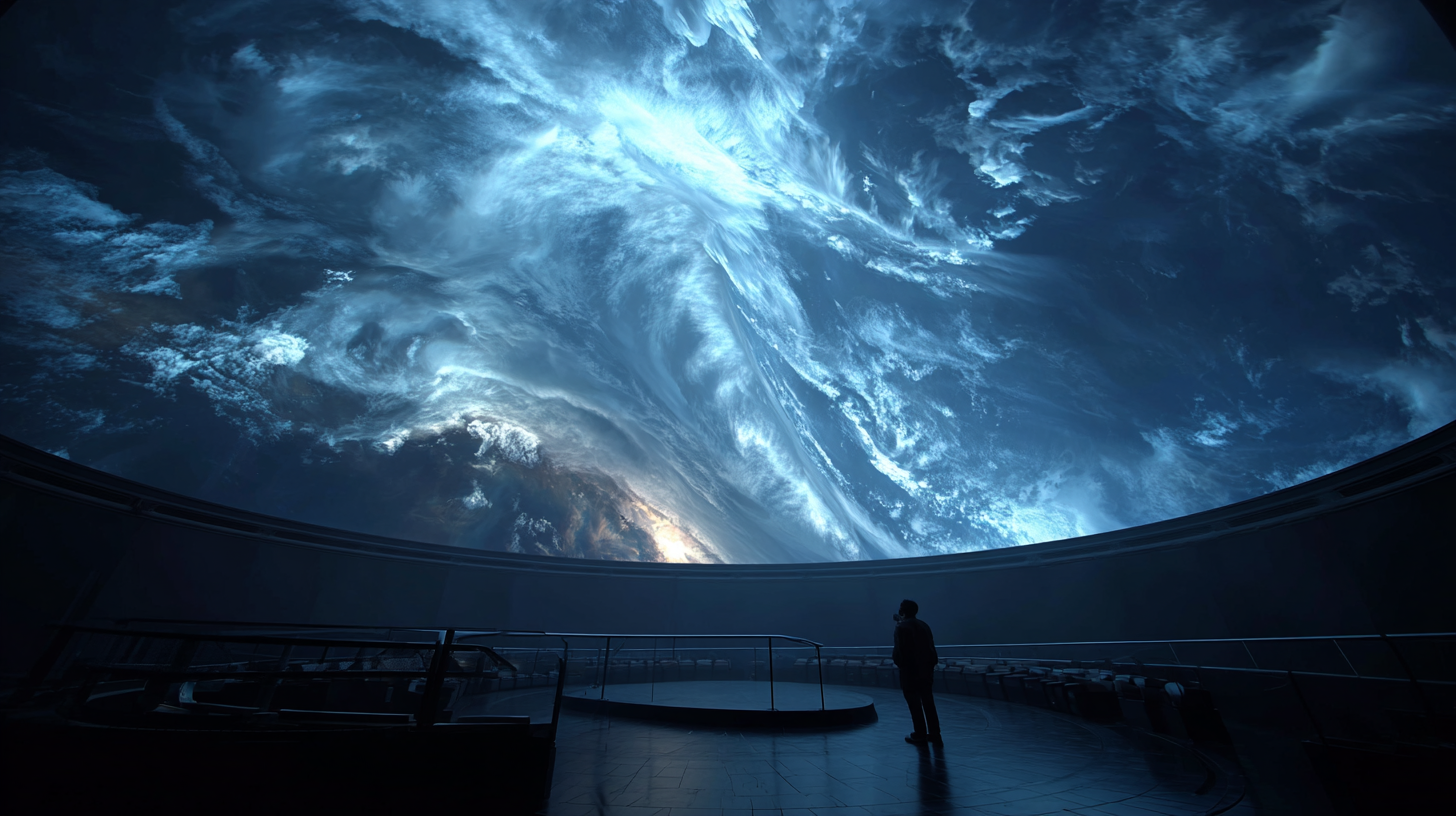
Moreover, the integration of virtual reality (VR)
and augmented reality (AR) into Dome Planetariums
is expected to elevate visitor experiences significantly. According to a recent survey by
the International Planetarium Society, over 60% of planetariums globally plan
to implement VR or AR features within the next three years. This aligns with the growing
demand for interactive learning environments in educational institutions, where 90%
of educators believe that immersive experiences can enhance understanding and retention of complex
subjects.
As we explore 2025's best Dome Planetarium innovations,
it is essential to recognize how these technological advancements not only cater to entertainment
but also serve vital educational purposes, transforming
the way we perceive our universe and engage with scientific concepts.
Innovative Projection Technologies Transforming Dome Planetariums
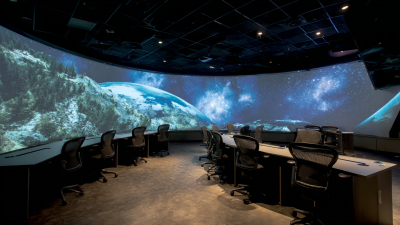
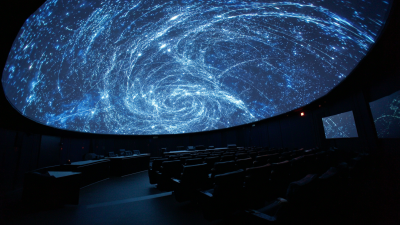
The landscape of dome planetariums is undergoing a remarkable transformation, thanks to innovative projection technologies that are pushing the boundaries of immersive experiences. According to recent industry reports, the global market for digital planetarium systems is projected to reach approximately $350 million by 2025, driven by advancements in high-resolution imaging and interactive capabilities. These innovations allow audiences to experience celestial events and astronomical phenomena with unprecedented clarity and engagement.
Projection systems such as laser-based and 8K resolution technologies are at the forefront of this evolution. For instance, laser projectors provide brighter images and a broader color spectrum, maximizing the visual experience within dome structures. This is complemented by software enhancements that enable real-time data visualization and interactive storytelling, fostering a deeper understanding of complex scientific concepts. As educational institutions and public science centers embrace these technologies, we can anticipate a new era of learning environments that captivate and inspire.
Tips: When considering the implementation of new projection technologies for your planetarium, prioritize those that offer compatibility with existing systems to ensure seamless integration. Additionally, investing in training for staff can enhance the quality of presentations, maximizing the impact of these technologies on visitors. Lastly, focus on user engagement features that encourage audience participation, transforming passive viewers into active learners.
Innovative Projection Technologies in Dome Planetariums (2025)
User Experience Enhancements in 2025 Dome Planetarium Designs
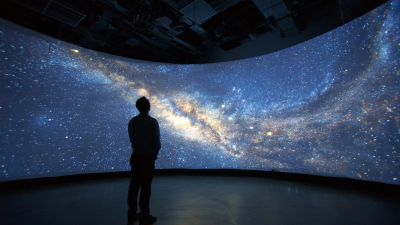
In 2025, dome planetariums are set to revolutionize the user experience, driven by cutting-edge technology and innovative design. According to a recent report by the International Planetarium Society, over 70% of planetarium operators are focusing on enhancing interactive features to engage audiences more effectively. This shift is part of a broader trend where immersive storytelling and interactivity are prioritized, allowing visitors to not just passively observe but actively participate in the cosmic experience.
One notable advancement is the integration of augmented reality (AR) and virtual reality (VR) elements within dome presentations. This technology provides a more immersive experience, allowing users to explore celestial phenomena like never before. A survey conducted by the Planetarium and Digital Dome Consortium revealed that 60% of visitors prefer facilities that incorporate such technologies, indicating a strong demand for engaging, interactive experiences. Moreover, the 2025 designs are emphasizing accessibility and inclusivity, ensuring that all visitors, regardless of age or ability, can enjoy the wonders of the universe in an engaging and educational manner.
Sustainable Practices Shaping the Future of Planetarium Construction
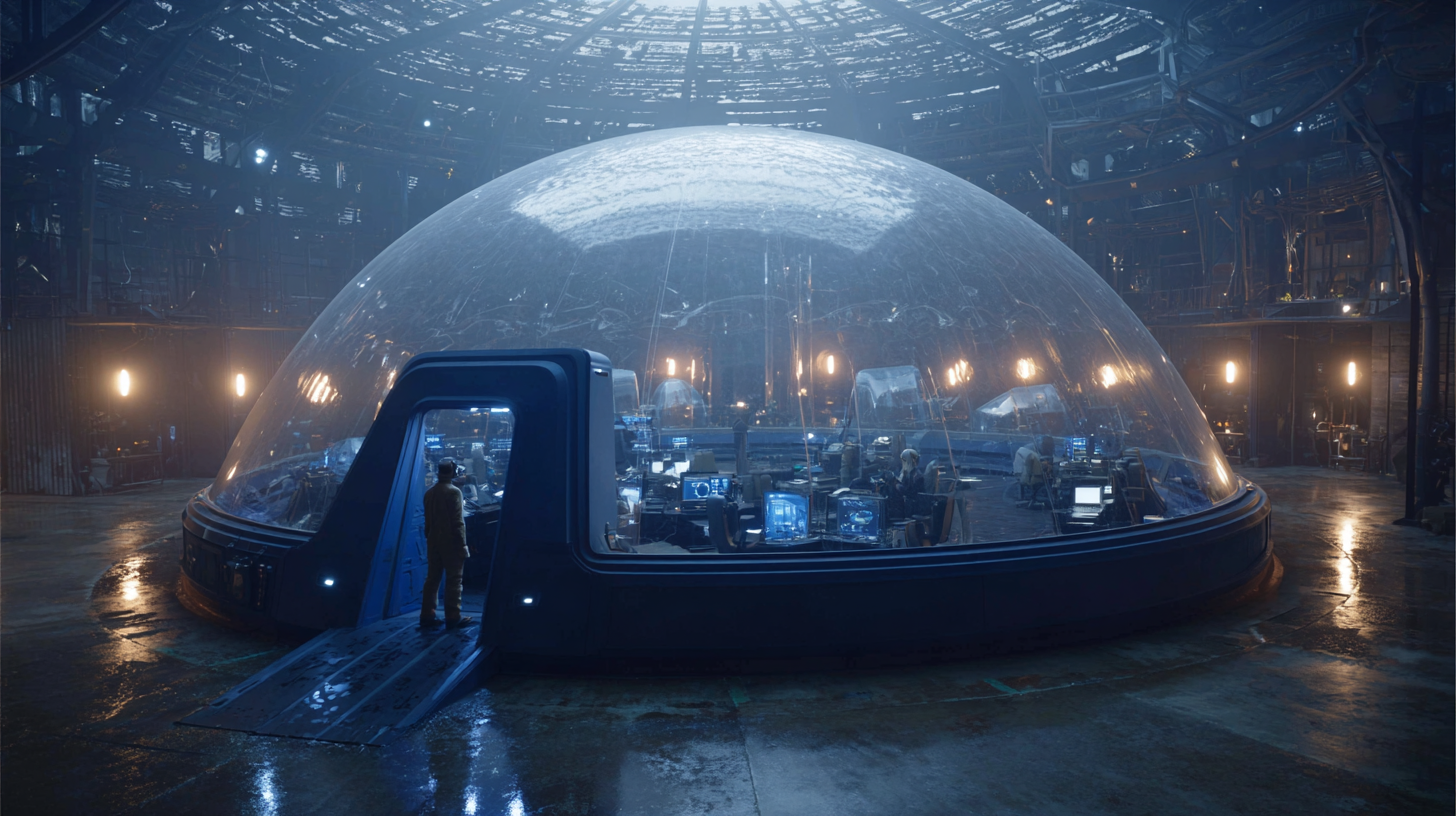
As we look toward the future of dome planetariums in 2025, a significant emphasis is being placed on sustainable practices that will shape their construction. Innovations in this field are increasingly reflecting the pressing need for environmentally friendly building techniques. The integration of energy-efficient technologies, such as solar panels and advanced insulation materials, is becoming essential in the design of new planetariums. These developments not only reduce the environmental impact during construction but also ensure that the facilities maintain low operating costs over their lifespan.
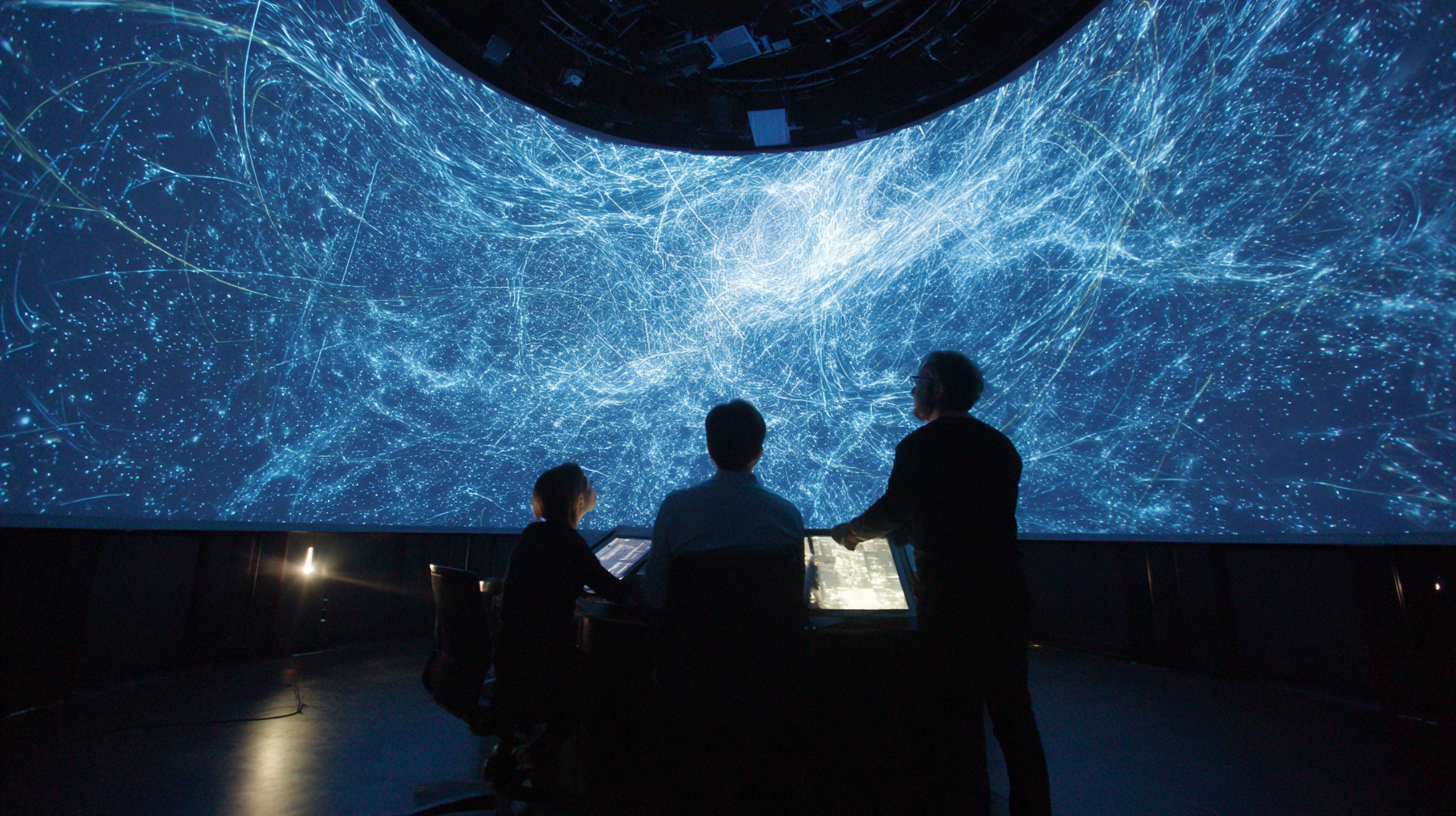
In conjunction with these advancements, the concept of eco-conscious architecture is gaining traction within the realm of science museums and planetariums. Recent exhibitions have highlighted the importance of curatorial strategies that align with sustainable development goals. By fostering an atmosphere that prioritizes resource conservation and community engagement, these venues can serve as powerful educational platforms. They are not just places to observe the cosmos but also to inspire future generations to appreciate and actively participate in the stewardship of our planet.
Integration of Virtual Reality and Interactive Displays in Dome Experiences
The integration of Virtual Reality (VR) and interactive displays is set to revolutionize dome planetarium experiences in 2025. As per a recent report by the International Association of Astronomical Artists, the growth of immersive technology in educational settings is anticipated to expand by 18% annually, with planetariums at the forefront of this innovation. By employing cutting-edge VR systems, visitors can embark on cosmic journeys, exploring galaxies and celestial events in ways previously unimaginable. This immersive approach not only enhances engagement but is also proven to improve retention rates among audiences, with studies indicating that interactive experiences can boost learning outcomes by up to 30%.
Furthermore, advancements in interactive display technology are transforming how content is delivered within dome environments. A survey conducted by the Dome Experience Collective found that 75% of planetarium operators plan to integrate touch-sensitive and gesture-controlled displays into their programs by 2025. This shift allows participants to interact with visual content directly, providing a hands-on learning experience that resonates with today's tech-savvy audiences. By blending compelling visuals with interactivity, planetariums can foster a deeper understanding of complex astronomical concepts, making science accessible and exciting for visitors of all ages.
Educational Advancements Through Collaborative Dome Planetarium Programs
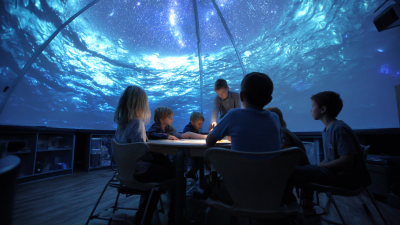
The evolution of dome planetariums is paving the way for transformative educational experiences, particularly through innovative collaborative programs. As institutions continue to harness the power of advanced technology, partnerships between schools, universities, and science centers are emerging as catalysts for enhanced learning. These collaborative programs allow educators to design immersive curricula that not only captivate students' attention but also deepen their understanding of complex astronomical concepts. By engaging multiple organizations, resources can be pooled, leading to richer content and shared expertise, ultimately benefiting students and teachers alike.
In 2025, we anticipate groundbreaking advancements that will redefine how planetarium programs are delivered. The integration of virtual reality and interactive elements into dome experiences will offer students a hands-on approach to learning, making it easier to grasp the vastness of the universe. Furthermore, these innovations will facilitate remote collaborations, allowing students from different regions to explore celestial phenomena together. This shift towards shared learning experiences underscores the importance of community in education, helping to cultivate a sense of curiosity and teamwork among young aspiring astronomers. Such initiatives promise to foster a generation equipped with the skills and knowledge to navigate the wonders of space.