2026 Top Fulldome Planetarium Innovations for Global Buyers?
As the industry of Fulldome Planetarium continues to evolve, 2026 promises to be a remarkable year for innovation. Experts are observing a growing trend in immersive technology that enhances educational experiences. Dr. Susan Kelley, a leading expert in planetary science, stated, “The future of Fulldome Planetariums lies in their ability to engage audiences with rich, interactive content.”
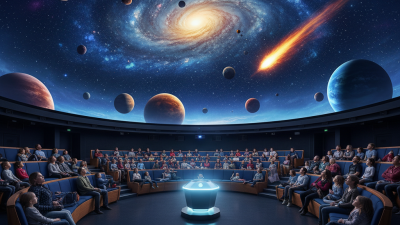
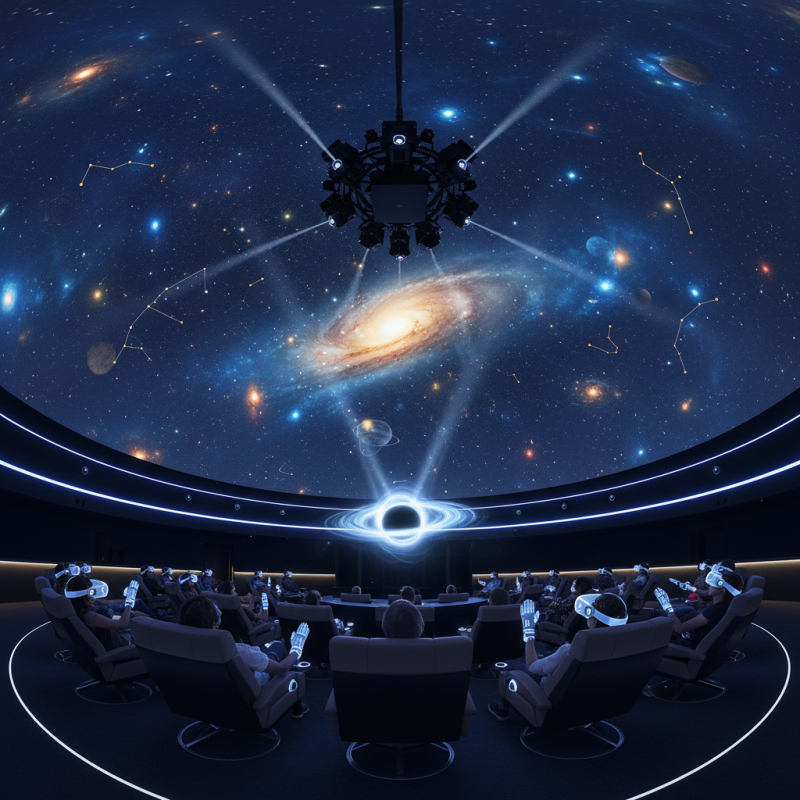
This year, global buyers will explore new advancements in projection technology. These innovations are designed to create captivating, exploratory experiences within the dome. Enhanced visual effects and interactive elements will provide opportunities for deeper learning. The integration of virtual reality is changing how audiences interact with the cosmos.
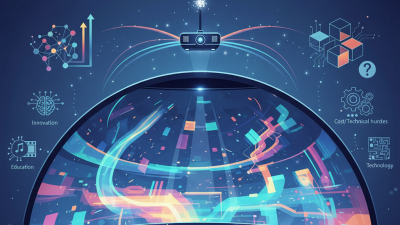
However, with rapid advancements come challenges. Not every facility can afford the latest technology. Some might find it hard to stay updated. The balance between budget and innovation must be carefully assessed. As the demand for high-quality experiences grows, the Fulldome Planetarium industry must adapt. Changing dynamics will test existing players. Yet, they must embrace change to thrive in this evolving market.
Emerging Technologies in Fulldome Planetariums for 2026
The year 2026 promises exciting advancements in fulldome planetarium technology. Emerging innovations focus on immersive experiences, engaging audiences in new ways. Active research and development are critical to this growth. Experts suggest that understanding user needs will shape future designs.
One key trend is the integration of artificial intelligence. AI can enhance storytelling and tailor experiences to individual preferences. Another innovation involves high-resolution visuals and advanced projection systems. These create captivating simulations of celestial phenomena. However, challenges remain. Ensuring seamless operation and maintaining content relevance are ongoing concerns.
Virtual reality will also play a vital role. It bridges the gap between digital and physical worlds. Yet, not all users find it accessible or comfortable. Feedback from diverse audiences is essential to refine these technologies. As we explore these innovations, collaboration among creators and educators becomes crucial for success.
Key Features to Look for in Modern Fulldome Planetarium Systems
When exploring modern fulldome planetarium systems, buyers should prioritize essential features. The immersive 360-degree experience provided by high-resolution projections is crucial. According to recent industry reports, the demand for stunning visuals in educational settings has surged by 40% in the last five years. This trend underscores the necessity for systems that can project HD images seamlessly, creating lifelike presentations.
Audio systems are as important as visuals. Immersive sound can enhance the educational experience. A 2023 survey found that 70% of users preferred systems with advanced spatial audio capabilities. Incorporating technologies such as Dolby Atmos can elevate storytelling. However, the integration of audio and visual features often poses challenges. Not all systems synchronize perfectly, which can disrupt the immersive experience.
Finally, user-friendliness cannot be overlooked. Complex interfaces can deter educators from using extensive educational content. Reports indicate that 65% of educators hesitate to use advanced systems due to technical difficulties. Systems should have intuitive controls and flexible programming options. This ensures that users can focus on teaching rather than troubleshooting. Investing in a system that balances innovation with ease of use is essential for long-term success.
Top Manufacturers and Their Innovations in Fulldome Technology
In 2026, the fulldome planetarium industry is witnessing remarkable innovations. Research by the International Planetarium Society highlights a surge in immersive technologies. These advancements are shaping experiences in education and entertainment. Notably, the integration of high-resolution projection systems and advanced sound technology enhances storytelling in planetariums.
Many manufacturers are exploring LED dome lighting to improve visual effects. This innovative approach allows smoother transitions between scenes. Furthermore, industry reports indicate that 65% of buyers prioritize content quality and visual fidelity. Engaging narratives supported by data-driven simulations play a crucial role in attracting audiences. However, some installations still struggle with content updates and system compatibility.
Challenges persist in standardizing technical specifications across different platforms. Users often face difficult choices when integrating new technologies. There is a concern about accessibility for smaller institutions. Despite these hurdles, the drive for innovation continues. The future landscape is promising, filled with potential for engaging educational experiences that captivate audiences worldwide.
Global Market Trends Influencing Fulldome Planetarium Purchases
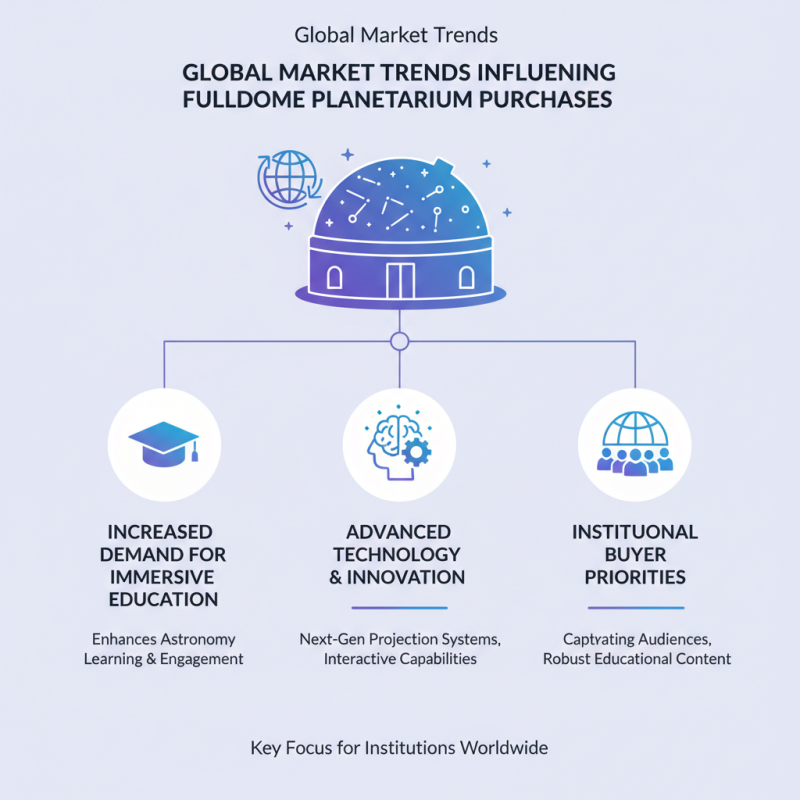
As the demand for immersive educational experiences grows, fulldome planetariums are emerging as a key focus for institutions worldwide. Global market trends are significantly influencing purchasing decisions in this field. Educational facilities now seek advanced technology that enhances astronomy learning and engagement. Innovations in projection systems and interactive capabilities are particularly attractive to buyers. Institutions want products that not only captivate audiences but also provide robust educational content.
Sustainability is another critical consideration. Many buyers are prioritizing eco-friendly solutions while investing in fulldome technology. Energy-efficient systems are in demand, creating a market for products that align with environmental goals. This shift signals a broader awareness in the community regarding sustainability and its importance.
However, buyers must also navigate challenges. Despite the allure of high-tech features, budget constraints often limit options. Many institutions find it difficult to balance between cutting-edge technology and financial feasibility. Additionally, the rapidly evolving market makes decision-making complex. Keeping up with trends can be overwhelming, leading to potential shortcomings in informed purchasing choices.
Case Studies of Successful Fulldome Implementations Worldwide
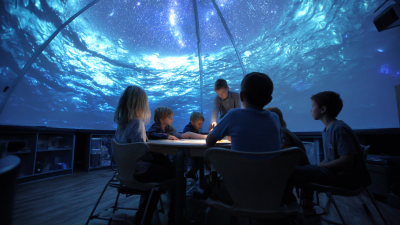
Fulldome technology is revolutionizing planetarium experiences worldwide. Many institutions have successfully implemented fulldome systems that create immersive environments. These systems transport audiences to new worlds, making complex subjects like astronomy accessible to all. For example, a planetarium in Europe transformed its space into an interactive learning hub. They engaged visitors through live shows, breaking the conventional mold of static presentations.
Tips: Engage your audience. Use storytelling to create connections. Visual elements enhance retention.
Another notable case study comes from Asia, where a science center adopted fulldome technology to promote environmental education. The center curated thematic shows that combined entertainment and learning. Visitors left with a deeper understanding of climate change and its effects on our planet. Their success highlights the importance of local relevance in programming. However, they faced challenges in balancing entertainment with educational value.
Tips: Focus on local themes. Audience demands evolve; stay adaptable. Experiment with programs regularly.