Top 10 Benefits of Visiting a Fixed Planetarium?
The allure of a Fixed Planetarium extends far beyond mere entertainment. According to a study published by the International Planetarium Society, these venues engage over 15 million visitors annually, fostering a profound appreciation for astronomy. Dr. James Marten, a renowned planetarium educator, emphasizes, "A Fixed Planetarium opens a universe of possibilities for learning and exploration."
Fixed Planetariums serve as essential educational hubs. They provide immersive experiences that spark curiosity about the cosmos. Visitors, from children to adults, can witness stunning presentations on the night sky. However, attendance at these facilities can vary greatly. Some underserved communities may lack access, leading to educational disparities. This highlights a crucial area for improvement in outreach and inclusivity.
Despite their many advantages, not all Fixed Planetariums are equally accessible or maintained. Some may struggle with outdated technology or limited resources. This raises questions about the sustainability of such institutions. Proper funding and innovative programming are necessary to fully realize their potential as pillars of community enrichment.
Unique Educational Experiences Offered by Fixed Planetariums
Visiting a fixed planetarium offers unique educational experiences. These venues serve as a gateway to understanding the complexities of our universe. According to a report by the American Alliance of Museums, planetariums attract over 20 million visitors each year. This engagement fosters a deeper appreciation for astronomy.
Interactive exhibits provide hands-on learning. Visitors can explore celestial phenomena through simulations and guided tours. Studies reveal that such interactive methods boost retention and understanding. For instance, a survey found that 75% of attendees reported increased interest in space science after visiting.
Tips for a rewarding visit: Aim to participate in live shows. They often include expert commentary that enhances the experience. Consider visiting during the week. Weekday visits often mean fewer crowds and a more personalized experience. Don’t hesitate to ask questions. Engaging with educators and staff can lead to deeper insights.
However, not every experience is flawless. Some visitors may find certain topics overwhelming. It’s essential to seek clarification when needed. With vast amounts of information, some may leave feeling confused. Embrace the learning process; it's okay to ponder and reflect on what you've learned.
Immersive Astronomy Shows and Visualizations in Planetarium Domes
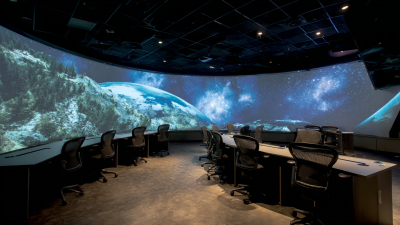
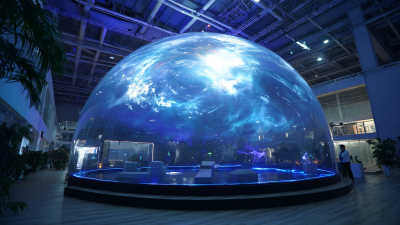
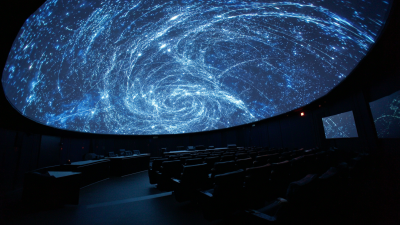
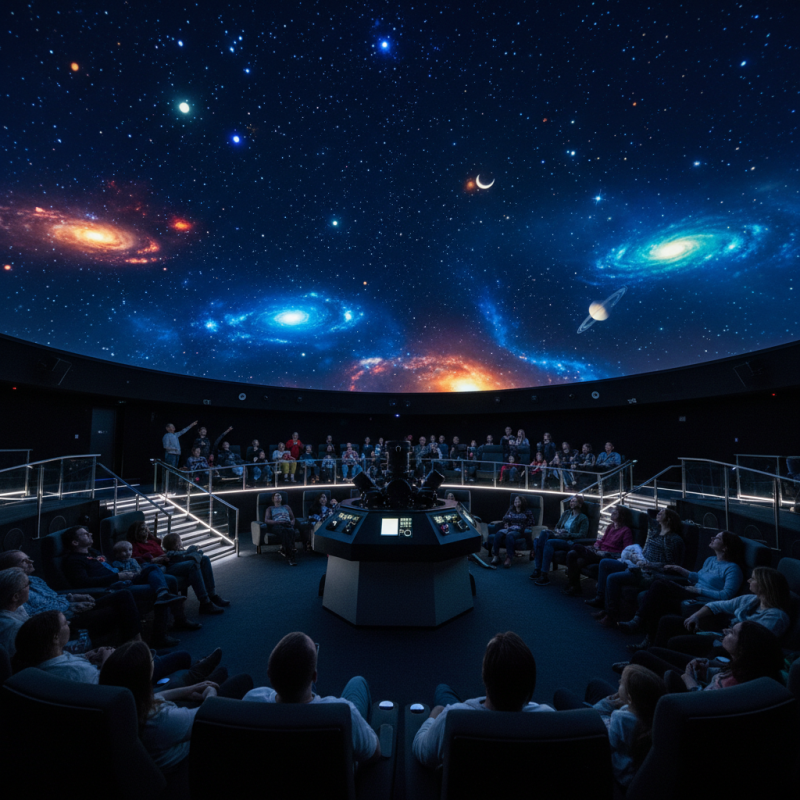
Visiting a fixed planetarium offers a unique experience in astronomy. It transports you into a world of stars and galaxies. The dome shape creates an immersive environment where animated visuals come to life. You feel as if you are floating in space, amidst the constellations. Educational programs often accompany the shows, providing valuable insights into the universe.
The visuals are captivating. They can range from realistic portrayals of celestial bodies to artistic interpretations of cosmic phenomena. Each show utilizes high-definition graphics that engage the audience. However, not every presentation is perfect. Sometimes, the clarity may vary depending on the projector used. Furthermore, the information can get overwhelming if not presented clearly. Spectators might find it hard to keep up with complex concepts.
Planetarium auditoriums are designed for comfort but can sometimes fall short. Seating might be cramped for some viewers. Additionally, the acoustics can be challenging if the speaker's clarity is low. Despite these minor flaws, the experience remains magical. Many visitors leave with a newfound appreciation for astronomy, infused with wonder and curiosity about the vast universe beyond our reach.
Top 10 Benefits of Visiting a Fixed Planetarium
| Benefit |
Description |
Target Audience |
Frequency of Visits |
| Immersive Experiences |
Enjoy fully immersive shows that transport you to distant galaxies. |
General Public, Students |
Monthly |
| Educational Programs |
Participate in educational workshops tailored for various age groups. |
Students, Educators |
Bi-Monthly |
| Family-Friendly Environment |
A safe and engaging atmosphere for families to explore astronomy together. |
Families |
As Needed |
| State-of-the-Art Technology |
Experience cutting-edge projection and sound technology. |
Tech Enthusiasts |
Yearly |
| Night Sky Observation |
Learn how to observe the night sky using telescopes and other equipment. |
Astronomy Buffs |
Seasonal |
| Inspirational Talks |
Attend lectures and talks by leading astronomers and scientists. |
General Public, Students |
Quarterly |
| Cultural Events |
Experience unique events celebrating the connection between culture and astronomy. |
Art Enthusiasts, General Public |
Annually |
| Community Engagement |
Be part of a community that shares a passion for space and science. |
Local Residents |
Ongoing |
| Accessibility to Stargazing |
Opportunity for all to explore the wonders of the universe, regardless of skill level. |
All Ages |
Weekly |
| Intellectual Stimulation |
Stimulate curiosity and critical thinking through astronomical concepts. |
Students, Adults |
Ongoing |
Hands-On Learning Opportunities and Interactive Exhibits
Visiting a fixed planetarium offers countless hands-on learning opportunities. Visitors can engage with interactive exhibits that help demystify the cosmos. For instance, many planetariums have models of planetary systems. These allow individuals to manipulate orbits and experience gravity in a tangible way. According to a report by the American Alliance of Museums, interactive exhibits enhance visitor engagement by 40%.
Many planetariums also provide workshops. These sessions encourage attendees to explore astrophysics concepts directly. Participants can experiment with elements like light and sound. A report from the National Science Foundation indicates that such interactive opportunities increase knowledge retention by up to 75%. Engaging in practical activities fosters curiosity, yet it can also lead to frustration when concepts feel overwhelming.
A unique aspect of planetarium visits is feedback from interactive displays. Sensors track user interactions, providing data that reflects visitor interests. Sometimes, these activities spark questions that remain unanswered. This aspect highlights the ongoing nature of learning. While many individuals leave with newfound knowledge, challenges persist. There are always more questions to explore, making the experience both fulfilling and thought-provoking.
Top 10 Benefits of Visiting a Fixed Planetarium
Community Events and Workshops for Astronomy Enthusiasts
Visiting a fixed planetarium can be a gateway to the universe for many astronomy enthusiasts. These venues often host community events and workshops, fostering a love for the stars. Local talks by passionate astronomers can inspire attendees. You can learn about constellations and celestial events in an engaging atmosphere. Hands-on workshops allow you to explore topics like stargazing techniques or telescope use.
Tips for getting involved: Attend multiple events to deepen your understanding. Bring a notebook to jot down fascinating facts. Engaging with others who share your passion can enhance your experience. Sometimes, it's okay to ask questions that might seem basic. Everyone starts somewhere.
While many events cater to seasoned enthusiasts, beginners can feel left out. Sometimes, the advanced discussions can be overwhelming. It’s important to seek beginner-friendly sessions. You can request help from staff members if you feel lost. Learning about astronomy is a journey. Every small step counts.