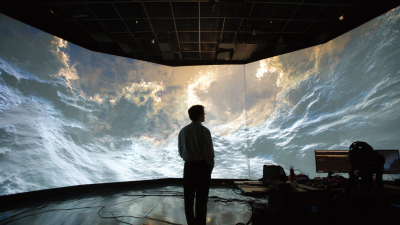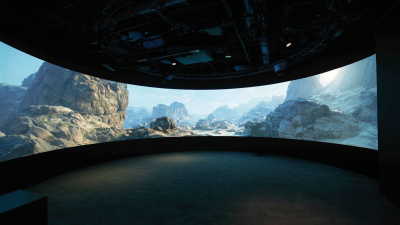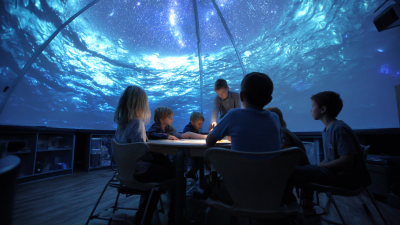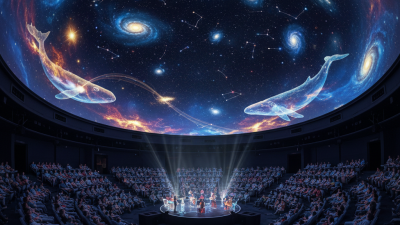
Fulldome Projection has transformed the landscape of immersive experiences. Recent reports indicate a 20% growth in the use of fulldome technology across various sectors. This technique offers viewers an all-encompassing visual experience, making education and entertainment more engaging. Schools and planetariums have begun utilizing it to foster curiosity in students.
Despite its advantages, challenges exist. High setup costs can deter small organizations from adopting Fulldome Projection. Additionally, not all content translates well to a dome format. Some shows may lose their impact when projected on a curved surface. As the industry evolves, creators need to reflect on developing high-quality content that aligns with this medium.
The future of Fulldome Projection relies on innovation and quality. With the rise of VR and AR, fulldome creators must continuously adapt. Balancing technology and creativity is crucial for captivating audiences. It's essential to invest in training and technology to ensure impactful stories are told.
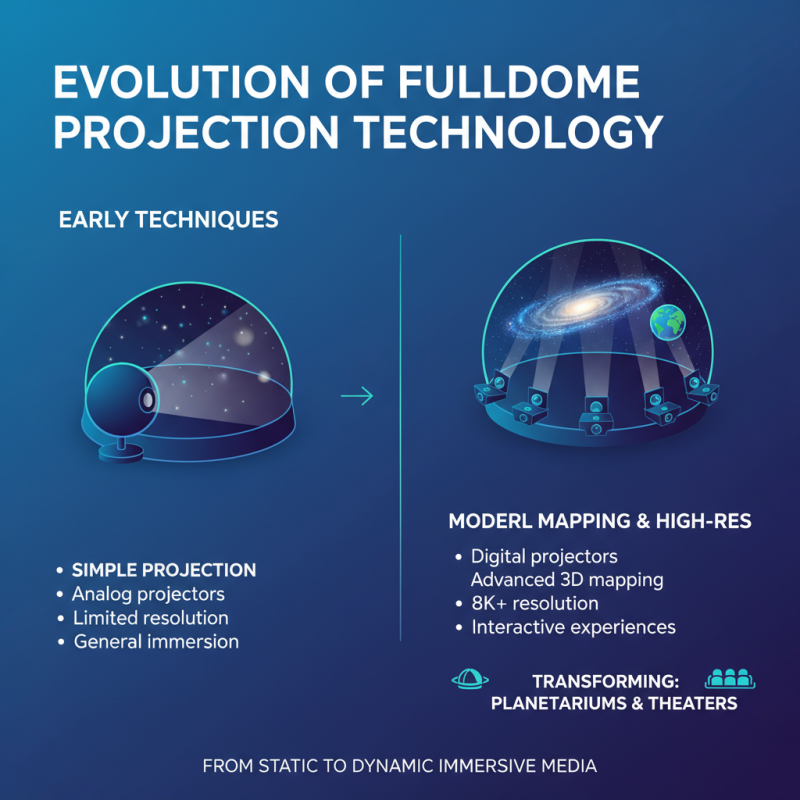
Fulldome projection technology has come a long way in immersive media. Initially, simple projection techniques were used to create an all-encompassing view. Today, advanced digital mapping and high-resolution displays bring vivid experiences. This evolution has transformed planetariums and theaters into dynamic environments that captivate audiences.
To create engaging content, focus on storytelling. Good narratives draw people in. Combine visuals with sound for a richer experience. Experiment with lighting to set the mood. Try to evoke emotions through interaction with the audience. This can enhance engagement.
Tips: Always test your setup beforehand. Small glitches can disrupt the experience. Collect feedback after each show. Understand what works and what doesn’t. Continuous improvement leads to better results. Remember, not every attempt will be perfect, and that’s okay. Learn from mistakes to refine your techniques.
Creating high-quality fulldome projections involves several key techniques that enhance the immersive experience. One vital technique is the use of high-resolution content. Research indicates that projections with a resolution of at least 4K significantly improve viewer engagement. This clarity allows audiences to immerse themselves in stunning visuals, whether depicting cosmic landscapes or dynamic animations.
Another important aspect is the calibration of projection systems. A well-calibrated system can dramatically change the viewing experience. Poor calibration can lead to distorted images. Data shows that 30% of projection failures stem from insufficient calibration. Regular checks and adjustments are critical. They ensure that color accuracy and brightness levels are optimal, enhancing the overall quality.
Sound integration also plays a role in immersive experiences. Effective audio elevates visual content. According to a report, 70% of audiences feel more engaged when sound and visuals are synchronized. However, achieving this balance can be challenging. Mixing sound to match visuals often requires fine-tuning. Without this aspect, the overall impact may fall flat. Each of these techniques contributes to a more engaging and memorable experience for viewers.
| Technique | Description | Advantages | Disadvantages |
|---|---|---|---|
| Edge Blending | Combining images from multiple projectors to create a seamless display. | Increased resolution and higher brightness. | Complex setup and requires calibration. |
| Spherical Projection | Creating a 360-degree immersive experience by projecting on a spherical surface. | Fully immersive and engaging visual experience. | Limited by physical space and projection area. |
| 3D Mapping | Projecting onto complex surfaces, allowing for dynamic visuals that conform to the shape. | Creative possibilities for storytelling and artistic expression. | Can be resource-intensive and requires skilled operators. |
| Interactive Projections | Using sensors to allow audience interaction with the projected content. | Engages audiences directly, enhancing learning and enjoyment. | Requires technical setup and may have latency issues. |
| High Dynamic Range (HDR) | Utilizing a wider range of brightness levels for more realistic images. | Enhanced color depth and contrast for stunning visuals. | Content must be specifically created for HDR. |
Fulldome projection systems are reshaping immersive experiences in various fields, from education to entertainment. According to a recent report by the International Society of Projection Technology, the global market for immersive display technology is projected to grow by 25% annually. This growth is fueled by advances in projection systems that enhance visual fidelity and interactivity.
Different technologies exist within fulldome systems. Some utilize digital projection, while others use laser systems. Each has its own strengths and weaknesses. Digital projections can offer sharp images but may lack the depth needed for full immersion. On the other hand, laser systems provide vibrant colors but can be cost-prohibitive for some installations. A study by the Journal of Immersive Media noted that the choice of projection type significantly impacts audience engagement. Certain environments thrive with laser projection, whereas others benefit from the practicality of digital systems.
Furthermore, many institutions report challenges in adapting these technologies to their existing setups. Technical limitations can hinder the full potential of fulldome projections. Training staff in new systems is also a hurdle. The effectiveness of immersive experiences often depends on the blend of technology and creative presentation. This balance requires ongoing reflection and adjustment.
High-resolution content plays a crucial role in enhancing viewer engagement within fulldome experiences. Studies indicate that audiences are 25% more likely to stay engaged when watching high-quality visuals compared to lower resolutions. Crisp and vibrant imagery captivates viewers, pulling them deeper into the experience. The immersive nature of fulldome technology complements these visuals, making well-produced content essential for maintaining attention.
Tips for creating high-resolution content: Focus on sharpness and clarity. Avoid fuzzy images. Consider using 4K resolution as a standard. Engage audience emotions through powerful storytelling. Data shows that 70% of viewers connect more with content that evokes feelings. Integrate interactivity to deepen involvement; this can increase viewer retention by up to 40%.
However, not all fulldome content is effective. Sometimes, producers overlook the importance of pacing and coherence. Rapid transitions can disorient viewers, resulting in disengagement. Strive for balance. Use techniques that connect visuals to narratives without overwhelming the audience. Ensuring accessibility for all viewer types is another key aspect that warrants attention.
Fulldome projection is evolving rapidly. Innovations are changing the way we experience visual content. Immersive technology is becoming more accessible. Whether in planetariums, museums, or theaters, the demand is rising.
Future trends show a shift toward interactive content. This allows audiences to engage actively with the projections. Enhanced visuals will likely incorporate real-time data. Think of a live feed from space combined with stunning graphics. Such combinations can create a deeper connection with viewers.
**Tip:** Always consider audience preferences while choosing content. Tailoring experiences to your audience can enhance engagement.
Improved affordability of projection systems will drive market growth. As technology advances, costs decrease, making it easier for organizations to adopt these systems. However, content creation remains a challenge. High-quality, immersive content requires specialized skills and investment.
**Tip:** Collaborate with skilled artists and technologists for the best results. Partnerships can elevate your project beyond basics.
In this dynamic field, adaptability is key. Embrace feedback to refine your approach. Experimentation might lead to unexpected breakthroughs.