Best Observatory Dome Diameter Options for Optimal Astronomical Observation?
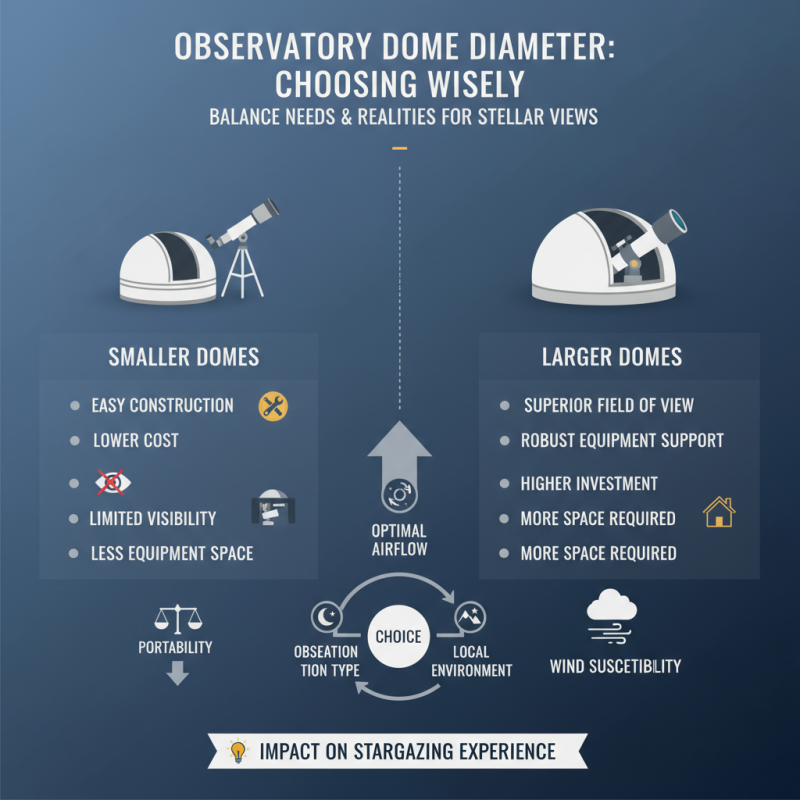
Choosing the right observatory dome diameter is crucial for astronomers. It impacts the quality of observations and equipment placement. A well-sized dome accommodates telescopes while allowing for optimal airflow.
Various diameters are available, from small to large models. Each comes with trade-offs. A smaller dome can be easy to construct but may limit visibility. Conversely, larger domes provide a better field of view and more robust equipment support. However, they require more investment and space.
Considerations should include the types of observations you want to perform and your local environment. Larger domes might struggle during high winds, while small domes can be restrictive. Finding the best observatory dome diameter means balancing needs and realities. This decision can profoundly affect your stargazing experiences. Reflect on the potential benefits and drawbacks before making a final choice.
Factors Influencing Observatory Dome Diameter Selection
When selecting the diameter of an observatory dome, several factors come into play. The primary consideration is the type of astronomical observations being conducted. A larger dome diameter facilitates the accommodation of larger telescopes, which can capture more light and yield better images. However, cost often becomes a limiting factor. A sizable dome requires more materials and resources, which can drive up the overall budget.
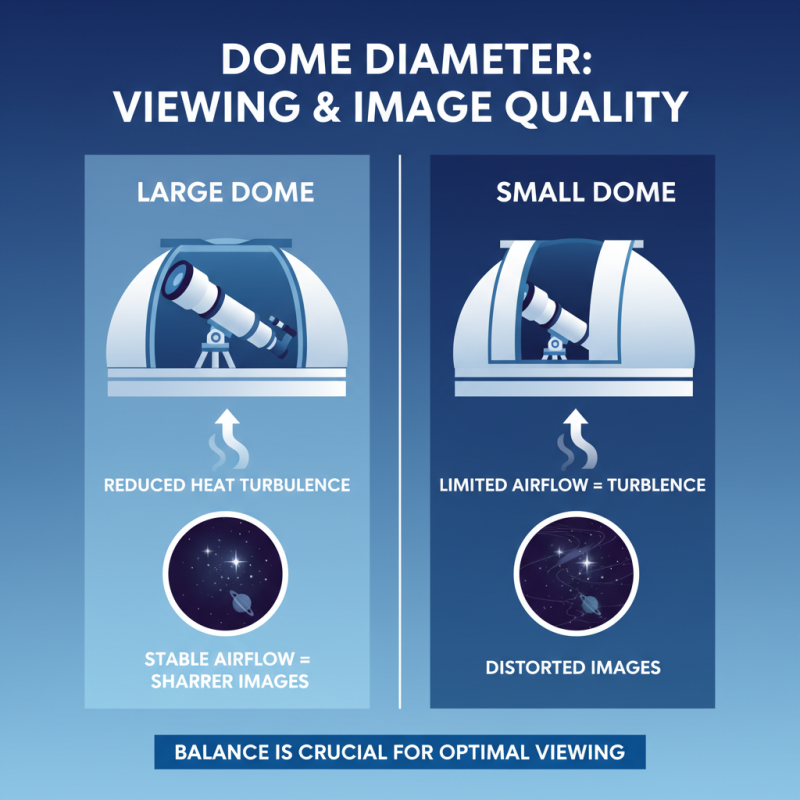
Additionally, observing conditions significantly influence dome size. Sites with consistent atmospheric turbulence may necessitate larger domes to optimize telescope performance. Smaller domes can restrict airflow and thermal regulation, leading to poor observation quality. It's essential to balance these factors to make an informed decision.
Space constraints also impact the best diameter choice. Urban areas may limit how large a dome can be without infringing on adjacent properties. Moreover, the setup and maintenance required for various dome sizes must be considered. There are complexities involved in larger structures, such as increased maintenance for mechanical components. Not all observatory plans account for these challenges, reflecting the need for careful deliberation.
Optimal Dome Sizes for Different Types of Telescopes
Choosing the right observatory dome diameter is crucial for optimal astronomical observation. Different telescopes require specific dome sizes for effective performance. For instance, larger telescopes often need domes with diameters ranging from 12 to 20 feet. This size allows for unobstructed views of the night sky. A larger dome accommodates the telescope's movement and minimizes light interference.
For smaller telescopes, a dome size of around 8 to 10 feet can be adequate. A report by the International Astronomical Union noted that many amateur astronomers prefer this size. Smaller domes reduce construction costs and are easier to manage. However, they may limit the types of observations possible, particularly for deep-sky events.
It’s important to evaluate specific requirements before building an observatory. Some observations might benefit from a slightly larger dome than initially planned. Compromises may be necessary, but a poorly sized dome could restrict the quality of observations. In essence, careful consideration of dome diameter is essential for maximizing the effectiveness of any astronomical setup.
Comparative Analysis of Common Dome Diameter Options
When considering dome diameters for astronomical observatories, the size can significantly influence observation capabilities. Common diameters range from small 8-foot domes to larger 60-foot structures. A smaller dome might limit the field of view but is easier to construct and manage. Larger domes provide more flexibility, allowing for the installation of bigger telescopes. However, they often require more resources for both construction and maintenance.
Optical distortion can vary with dome size. A small dome may create turbulence that affects image clarity. This distortion can lead to less accurate observations. Larger observatories often mitigate these issues, but they aren't immune to environmental factors. A perfect dome does not exist; each brings its own set of challenges. Costs, space, and intended use need careful consideration.
Evaluating user needs is paramount. Amateur astronomers may find smaller domes sufficient, while research institutions might demand the larger options for deeper space studies. Each option has trade-offs. These deserve reflection. Choosing the right diameter is as much about personal preference as it is about functionality.
Best Observatory Dome Diameter Options for Optimal Astronomical Observation
| Diameter (ft) |
Optimal Telescope Size (in) |
Visibility Conditions |
Typical Use Cases |
| 10 |
5-6 |
Good for Urban Areas |
Amateur Observing |
| 12 |
8 |
Fairly Clear Skies |
Educational Purposes |
| 14 |
10 |
Ideal for Rural Areas |
Professional Research |
| 16 |
12 |
Excellent Visibility |
Advanced Research and Education |
Considerations for Location and Climate in Dome Diameter Choices
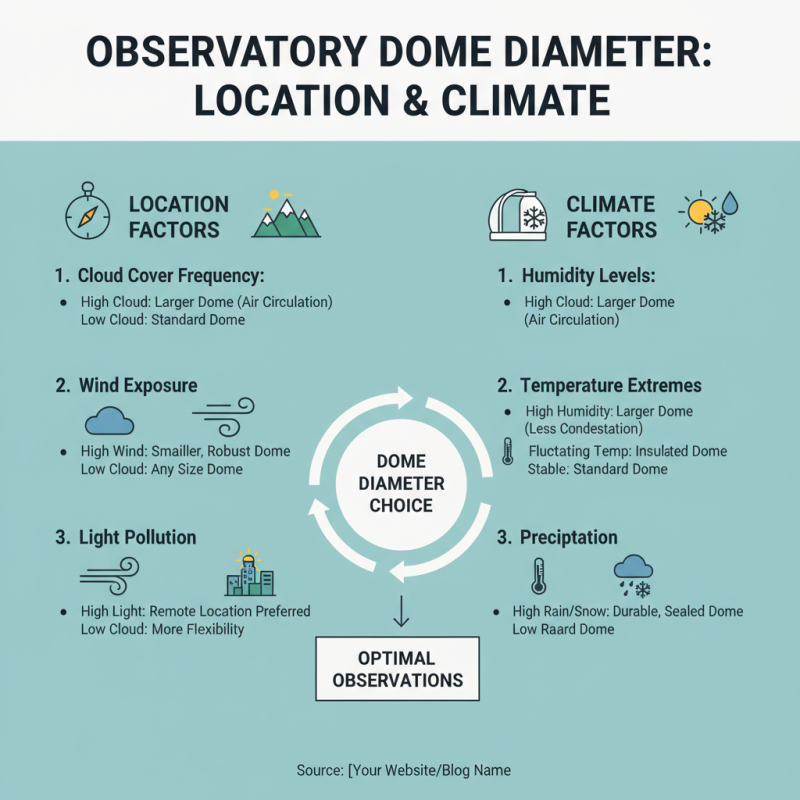
Choosing the right dome diameter for your observatory is crucial for optimal astronomical observations. However, one must consider location and climate carefully. These factors directly impact the effectiveness of the dome. For instance, a location with frequent cloud cover may necessitate a larger dome to facilitate better air circulation and less humidity buildup.
When selecting a dome diameter, think about the typical weather conditions in your area. If you live in a region with high winds or heavy rainfall, a larger dome can provide better stability and resilience. However, for areas with dry climates, a smaller dome can be advantageous. It can reduce heat buildup and provide quicker cooling for your telescope.
Tips: Always assess potential obstructions like trees or buildings. They can significantly affect your observations. Additionally, consider the site's altitude. Higher altitudes often provide clearer skies, making a larger dome worth the investment. Ultimately, balance your needs with the realities of your location. Choosing the correct size is not merely technical; it’s an art that requires thoughtful reflection on the environment.