The Best 10 Planetarium Dome Designs for Stunning Stargazing Experiences
In recent years, planetarium domes have emerged as essential venues for delivering immersive stargazing experiences, blending art, technology, and education. According to a report from the International Planetarium Society, global attendance at planetarium shows has seen a significant increase, with an estimated 20% rise in participation over the past five years. This surge reflects a growing public interest in astronomy and space science, making the design and functionality of planetarium domes more crucial than ever.
The architecture of a planetarium dome not only enhances the visual appeal but also plays a pivotal role in the effectiveness of presentations and exhibits. Modern dome designs incorporate innovative projection technologies and acoustics that significantly elevate the viewers' experience, fostering a deeper connection to the cosmos. Data from industry studies indicate that well-designed planetarium domes can improve visitor satisfaction rates by up to 40%, showcasing the importance of aesthetic and technical elements in creating a captivating astronomical environment.
As the field of immersive entertainment evolves, the demand for unique and stunning planetarium dome designs will continue to rise. This article explores the best ten designs that not only captivate audiences but also serve as educational tools, bridging the gap between complex astronomical concepts and accessible learning experiences for all ages.
Overview of Planetarium Dome Design Elements
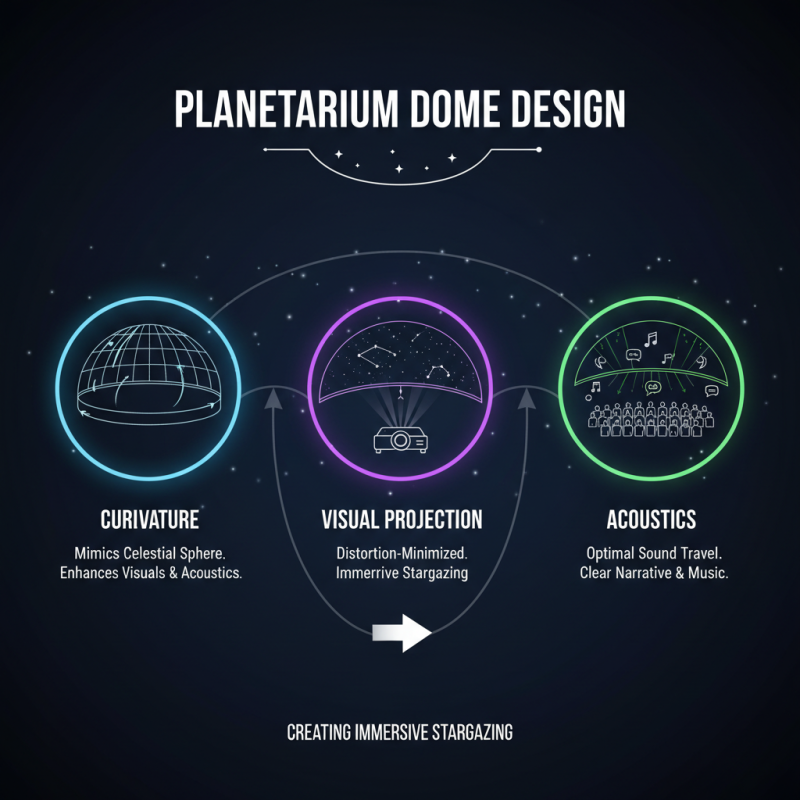
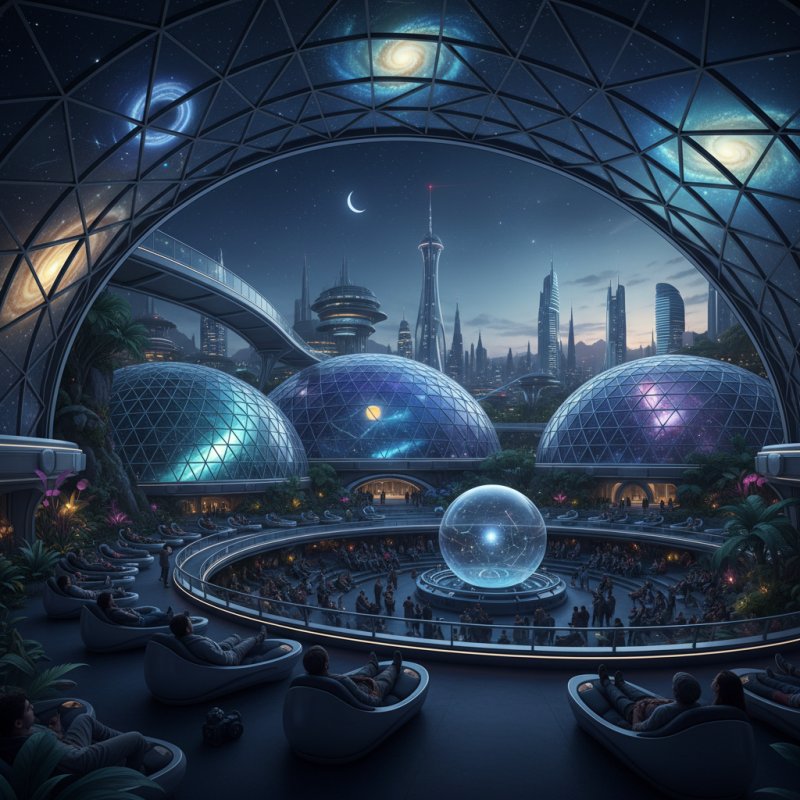
The design elements of a planetarium dome are crucial in creating an immersive stargazing experience. One of the key components is the curvature of the dome, which is designed to mimic the celestial sphere. This curvature not only enhances the visual effect of projecting stars and celestial events but also influences the way sound travels within the dome. A well-structured dome minimizes distortion and offers optimal acoustics, ensuring that viewers not only see the stars but also hear any accompanying narratives or music with clarity.
Lighting plays a significant role in planetarium dome design as well. The use of LED technology allows for dynamic and adjustable lighting schemes that can enhance the viewing experience. By carefully orchestrating light levels and colors, designers can simulate natural phenomena such as auroras or the soft glow of distant galaxies. Furthermore, the arrangement of seating within the dome is integral; seats are often reclined to provide an unhindered view of the projection, making it vital to ensure that all areas of the dome are visible from every perspective. Together, these elements create a cohesive environment that educates and captivates audiences, drawing them deeper into the wonders of the universe.
Key Features That Enhance Stargazing Experiences
When it comes to enhancing the stargazing experience, the design of the planetarium dome plays a crucial role. A well-structured dome not only allows for an immersive experience but also integrates cutting-edge technology that brings the cosmos closer to viewers. Key features such as a high-resolution projection system, adjustable lighting, and a seamless audio environment contribute to a stunning overall experience. These elements work together to create a captivating atmosphere, making visitors feel as if they are truly exploring the night sky.
Tips for maximizing your stargazing experience include choosing a dome with an adjustable seating arrangement. This allows for optimal viewing angles during shows. Additionally, look for domes equipped with virtual reality capabilities or interactive displays that can engage multiple senses. Such features can make the experience educational as well as entertaining, appealing to a wide range of age groups and interests.
Furthermore, consider planetariums that offer thematic shows, which often enhance the storytelling aspect of stargazing. Engaging narratives combined with high-quality visuals can turn a simple observation of stars into a memorable journey through space and time. Always check the schedule for special events or guest lectures that can further enrich your visit.
The Best 10 Planetarium Dome Designs for Stunning Stargazing Experiences - Key Features That Enhance Stargazing Experiences
| Dome Design |
Type |
Diameter (m) |
Seating Capacity |
Key Features |
Lighting Technology |
| Dome A |
Inflatable |
10 |
50 |
Portable, Easy Setup |
LED Projectors |
| Dome B |
Fixed |
12 |
100 |
Acoustically Treated |
Digital 4K Projection |
| Dome C |
Portable |
8 |
30 |
Quick Setup, Lightweight |
LED Lighting |
| Dome D |
Hybrid |
15 |
150 |
State-of-the-Art Tech |
Laser Projectors |
| Dome E |
Geodesic |
14 |
120 |
360° View, Eco-friendly |
Fiber Optic Lighting |
| Dome F |
Dome Tent |
9 |
40 |
Portable, Weather Resistant |
LED and Incandescent |
| Dome G |
Fixed |
16 |
200 |
Immersive Experience |
Ultra HD Projectors |
| Dome H |
Inflatable |
11 |
70 |
Family-friendly |
Smart LED |
| Dome I |
Spherical |
13 |
80 |
High Def Immersion |
360° Projection |
| Dome J |
Fixed |
20 |
300 |
Stadium Seating |
Immersive Audio-Visual |
Innovative Materials Used in Modern Planetarium Domes
The design and materials used in modern planetarium domes have evolved significantly over the years, enhancing the stargazing experience for audiences worldwide. Recently, industry research highlighted that over 75% of new planetarium installations incorporate advanced materials such as high-strength fiberglass and reinforced composites. These materials not only provide a lightweight structure but also improve the durability and longevity of planetarium domes, reducing maintenance costs for operators.
Furthermore, the use of projection-friendly surfaces has become paramount in dome design. Innovative coatings that enhance light diffusion have been introduced, allowing for a more immersive viewing experience. A recent report from the International Planetarium Society noted that domes using these new coatings exhibit a 30% improvement in projected image clarity compared to older models. Additionally, the integration of sound-absorbing materials has become common practice, creating an acoustically optimized environment that complements the visual spectacle. These advancements contribute to a more captivating educational and entertainment experience, drawing in increasingly diverse audiences eager to explore the cosmos.
The Best 10 Planetarium Dome Designs for Stunning Stargazing Experiences
Notable Planetarium Dome Designs Around the World
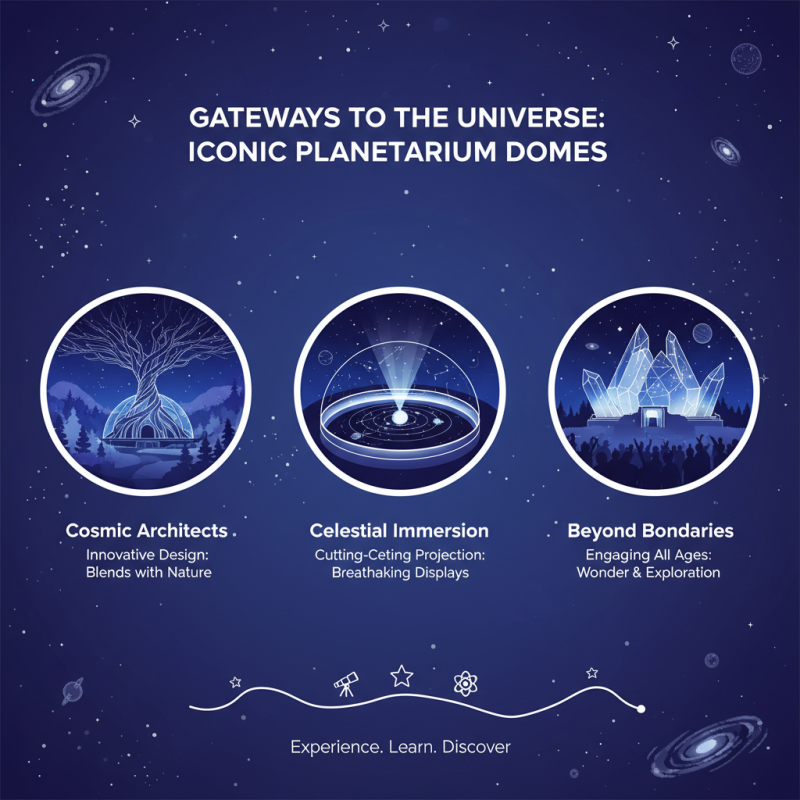
Planetarium domes serve as gateways to the universe, offering immersive experiences that transport visitors away from the confines of Earth. Among the most notable designs globally, several stand out for their architectural innovation and ability to enhance stargazing experiences. For instance, certain domes are built with cutting-edge projection technology that allows for breathtaking displays of celestial events, creating a sense of wonder and engagement for audiences of all ages. These structures are often designed to blend seamlessly into their surroundings, inviting curiosity and exploration.
In addition to their aesthetic appeal, many planetarium domes are strategically located in regions known for clear, dark skies, maximizing the stargazing experience. Sophisticated sound systems and interactive elements within these domes further enrich the educational aspect, promoting a deeper understanding of astronomy. Unique designs, such as those that incorporate sustainable materials or energy-efficient technologies, exemplify how planetariums can also serve as models of environmental stewardship. As visitors settle under these captivating domes, they not only observe the stars but also appreciate the artistry and innovation that make such experiences possible.
Future Trends in Planetarium Dome Architecture
As planetarium dome architecture evolves, designers are increasingly focusing on
immersive experiences
that enhance stargazing. Recent trends indicate a growing integration of technology,
such as advanced projection systems and augmented reality, which allow users to
interact with celestial phenomena in real-time. According to a 2022 report
by the International Planetarium Society, 67%
of planetariums are exploring the use of
360-degree video capabilities to create
captivating environments that draw in audiences, particularly younger generations who are
accustomed to interactive media.
This shift towards a more engaging experience not only caters to entertainment but also
educational purposes, reinforcing the importance of Astronomy in science education.
Sustainability is another crucial trend shaping the future of planetarium dome designs.
With an increasing number of institutions prioritizing eco-friendly practices,
architects are incorporating sustainable materials and energy-efficient systems into their designs.
A study from the Green Building Council highlights that buildings designed with sustainability in mind
can reduce energy consumption by up to 40%. As planetariums become focal points
for community engagement and science literacy, the emphasis on environmentally conscious construction
is expected to continue rising, fostering a deeper connection between visitors and the universe, while
also demonstrating proactive stewardship of the planet.