How to Choose the Best Fulldome Planetarium for Your Needs
Choosing the right Fulldome Planetarium can be a crucial decision for institutions, educators, and businesses looking to enhance their astronomical outreach and educational programs. With advancements in technology and a variety of models on the market, it’s essential to understand the distinct features that make a Fulldome Planetarium the perfect fit for your specific needs. From immersive visual experiences to interactive capabilities, the right planetarium can expand horizons and cultivate a deeper appreciation for the wonders of the universe.
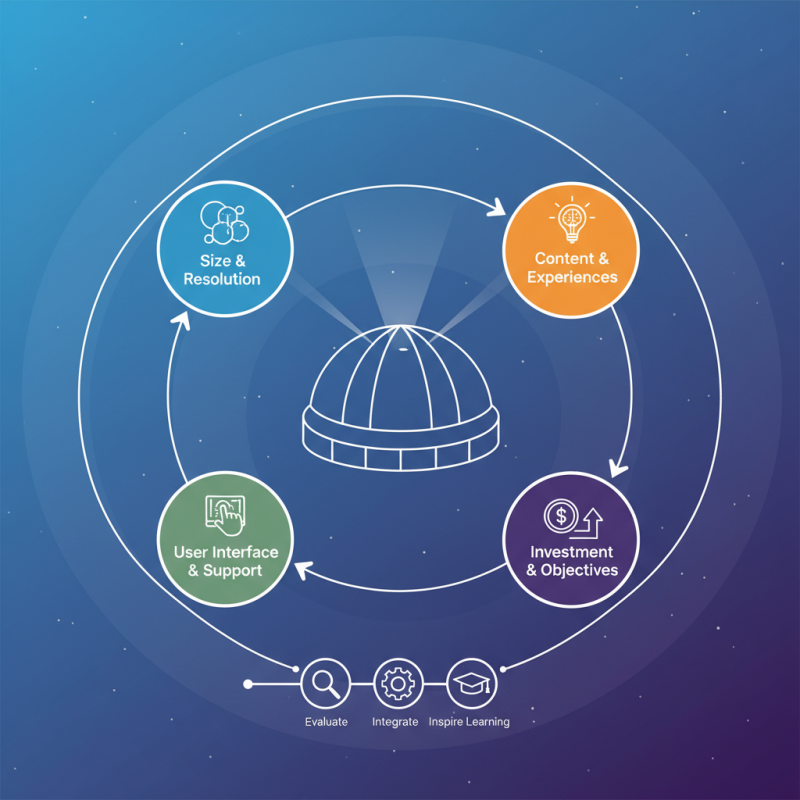
When selecting a Fulldome Planetarium, one must consider several key factors such as size, resolution, and the types of content available. Additionally, exploring the user interface and support options can play a significant role in ensuring a smooth integration into an existing educational framework. A thoughtful evaluation of these elements will not only enhance the learning experience offered but also maximize the investment made in this cutting-edge technology.
Ultimately, this guide aims to provide insights and tips that will facilitate your decision-making process, allowing you to invest in a Fulldome Planetarium that aligns with your objectives and inspires learners of all ages.
Understanding Fulldome Planetarium Technology and Trends
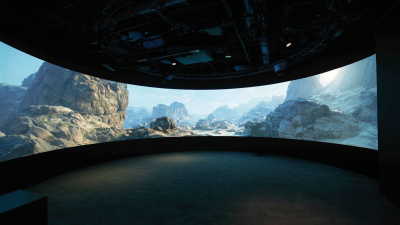
When selecting the best fulldome planetarium for your needs, understanding the underlying technology and current trends is crucial. Fulldome planetariums typically utilize advanced projection systems that provide immersive visual experiences. Higher resolution projections, such as 4K and even 8K, are becoming standard in the industry, enhancing the clarity and depth of visuals presented to audiences.
According to a recent report by the International Planetarium Society, 85% of planetariums are transitioning to digital systems, indicating a significant shift from traditional dome projectors. This trend is driven by the demand for more captivating and engaging educational experiences.
Tips: When choosing a planetarium, consider the resolution specifications that best fit your audience's needs. Higher resolutions can significantly amplify the experience, especially for educational institutions focused on astronomy.
Moreover, the integration of interactive technologies and virtual reality in fulldome presentations is gaining traction. This offers more dynamic and engaging programs, as users can interact with the content, making it appealing for both educational purposes and entertainment.
A report from the Global Planetarium Market indicates that the market is expected to grow by over 20% in the next five years, primarily due to such innovative enhancements.
Tips: Evaluate the software capabilities of the planetarium, as robust content creation tools can facilitate custom presentations and foster educational enrichment.
Evaluating Space Requirements and Audience Capacity for Planetariums
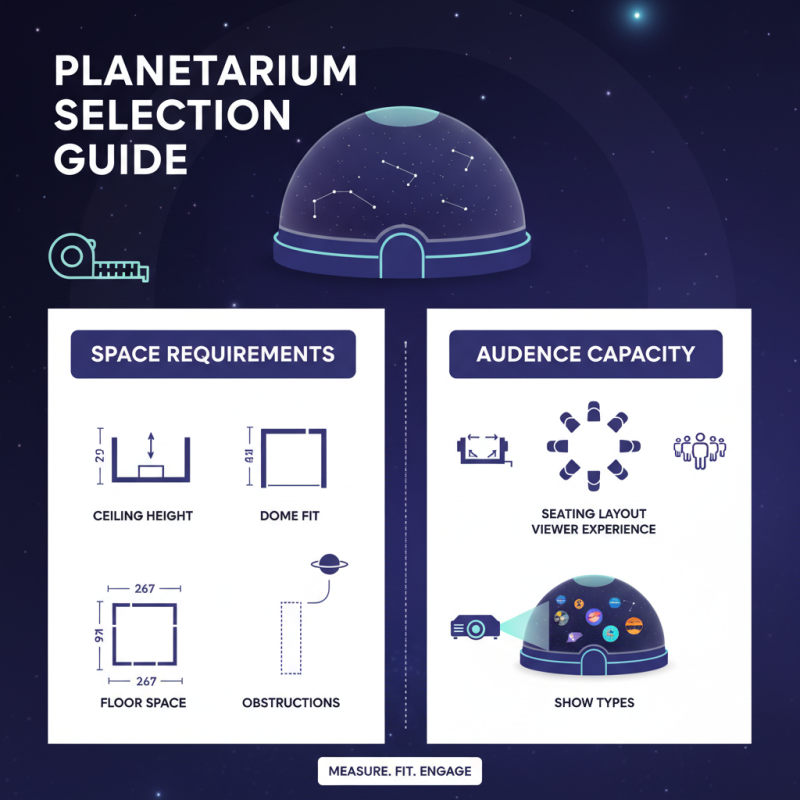
When selecting a fulldome planetarium, understanding your space requirements and audience capacity is crucial. The size of the planetarium will significantly influence both the viewer experience and the types of shows you can host. It’s important to measure the dimensions of your intended installation area, taking into account aspects like ceiling height, floor space, and potential obstructions. This ensures that the dome will fit well without compromising the viewing experience.
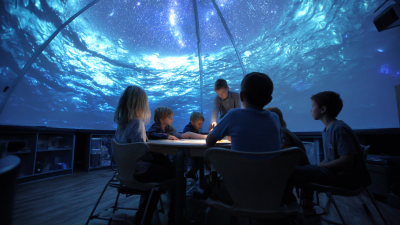
In terms of audience capacity, consider the demographics you aim to attract. Are you targeting schools, community groups, or public events? Each of these audiences may have different seating needs and preferences for comfort. Ensure that your chosen planetarium can accommodate the maximum number of visitors while still providing each person with an unobstructed view of the dome.
**Tips:**
1. Before making a decision, visualize the setup using layouts and seating arrangements to better understand how the space will function during events.
2. Always account for potential future audience growth; selecting a planetarium that offers expandable seating can be a wise investment.
3. Think about accessibility; ensure that your planetarium can accommodate individuals with different mobility needs.
Comparing Projection Systems: Digital vs. Traditional Fulldome Solutions
When it comes to choosing a fulldome planetarium, one of the key decisions you will face is selecting between digital and traditional projection systems. Digital projection systems have gained popularity due to their ability to deliver high-resolution images and flexibility in content presentation. They can project a variety of multimedia, including animations and live feeds, creating an immersive experience that can adapt to various educational themes. This versatility makes digital systems ideal for institutions that aim to offer a broad range of programs.
On the other hand, traditional fulldome solutions utilize analog projections, which may offer a unique charm to certain audiences. These systems often involve physical projectors and can present effects that some users find visually appealing. While they may not offer the same level of content variety as digital options, traditional systems can evoke nostalgia and provide a different kind of experience that appeals to certain demographics.
**Tips:** When deciding on a projection system, consider your institution’s specific needs and audience preferences. If your goal is to host diverse educational programs and experiences, a digital system might be more suitable. However, if you wish to provide a classic, nostalgic experience for specific events or audiences, a traditional fulldome solution could be a better fit. Additionally, assess your budget and long-term maintenance costs, as these factors can significantly influence your overall choice.
Comparison of Digital vs. Traditional Fulldome Projection Systems
Assessing Content Availability and Software Compatibility
When selecting the best fulldome planetarium for your needs, assessing content availability and software compatibility plays a crucial role. It’s important to consider the type and variety of content that will be accessible for your planetarium setup. High-quality fulldome visuals and educational programs are fundamental, as they can engage audiences and provide immersive learning experiences. A diverse library with various themes—ranging from astronomy and space exploration to cultural storytelling—can enhance the appeal of your planetarium and cater to different audience demographics, including schools, public events, and specialized presentations.
Software compatibility is another key factor in ensuring a smooth operational experience. The ability of the planetarium's software to support different formats and content types is essential. Look for systems that can integrate seamlessly with various content providers and allow for easy updates and new installations. Additionally, consider whether the software supports interactive features, remote access, and user-friendly interfaces, which can significantly enhance both the administrative operation and the audience's overall experience.
By prioritizing comprehensive content options and robust software compatibility, you can ensure your fulldome planetarium meets your specific needs and provides a captivating, educational platform.
Budgeting for Your Fulldome Planetarium: Initial Costs and Maintenance
When considering the budgeting for a fulldome planetarium, it's crucial to understand both initial costs and ongoing maintenance expenses. The initial investment can vary significantly based on the size and technology of the system. A basic setup may include a projection system, domed screen, and sound equipment, while more advanced systems might incorporate immersive technologies and specialized software. It's important to conduct thorough research and seek multiple quotes to ensure the best value for the desired features.
Beyond the initial costs, maintenance is an essential aspect of budgeting for a fulldome planetarium. Regular upkeep, including software updates, cleaning of equipment, and potential repairs, should be factored into the overall financial plan. Additionally, staff training and potential staffing costs for operation can take a considerable portion of the budget. Institutions should create a long-term financial strategy that includes not only these direct expenses but also sets aside funds for unexpected repairs or enhancements, ensuring the planetarium can operate smoothly and effectively for years to come.