How to Choose the Best Observatory Dome House for Your Needs?
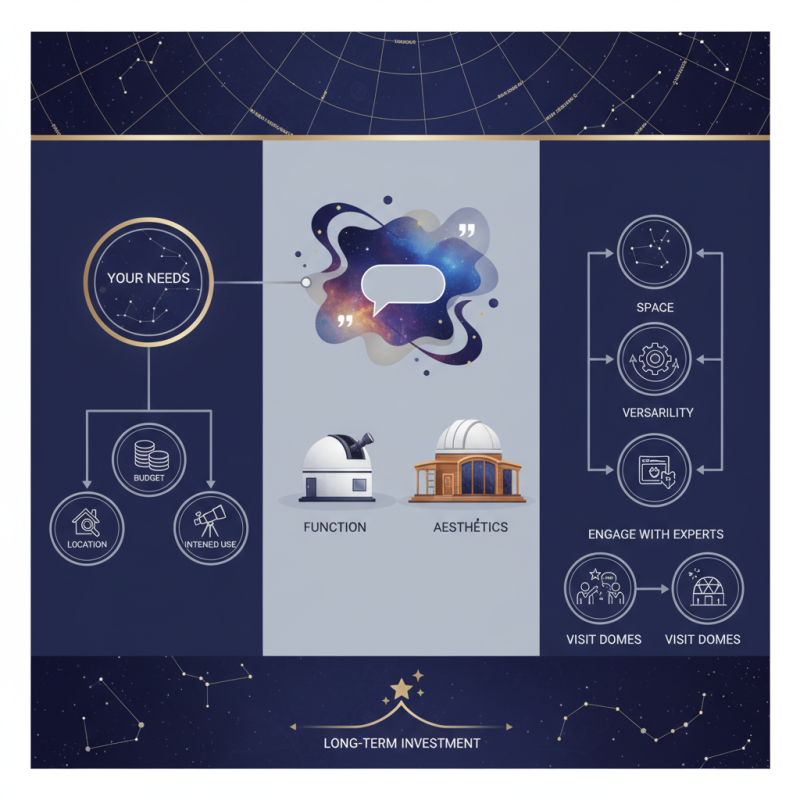
Choosing the right Observatory Dome House is crucial for enthusiasts and professionals alike. Renowned astronomer Dr. Emily Carter emphasizes, "Your dome should reflect your passion for the cosmos." This statement encapsulates the essence of selecting the ideal structure tailored to individual needs.
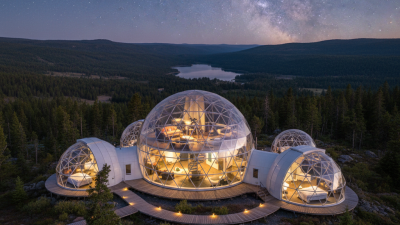
Observatory Dome Houses come in various designs and sizes. Each choice offers unique benefits and challenges. Factors like location, budget, and intended use must be considered carefully. Imagine a dome that not only houses your telescope but also stands as a sanctuary for relaxation and inspiration.
The right Observatory Dome House embodies both function and aesthetics. Not every option will suit everyone. Reflect on what truly matters to you—whether it’s space, versatility, or ease of setup. Engaging with experts and visiting different domes can provide valuable insights. Consider the long-term investment, as this choice can influence your astronomical journey for years to come.
Understanding the Different Types of Observatory Domes Available Today
When choosing an observatory dome, understanding the various types available is essential. You may encounter several designs, each serving different needs. Some domes are made from lightweight materials for easy transportation. Others are constructed for more permanence, featuring heavy-duty components. The choice depends on your intended use and budget.
Inflatable observatory domes provide a cost-effective and portable option. They’re quick to set up and ideal for temporary sites. Rotatable dome designs offer flexibility when tracking celestial objects. These allow smooth opening and closing functionality, accommodating various equipment sizes. Each type comes with pros and cons, making it crucial to reflect on your specific requirements.
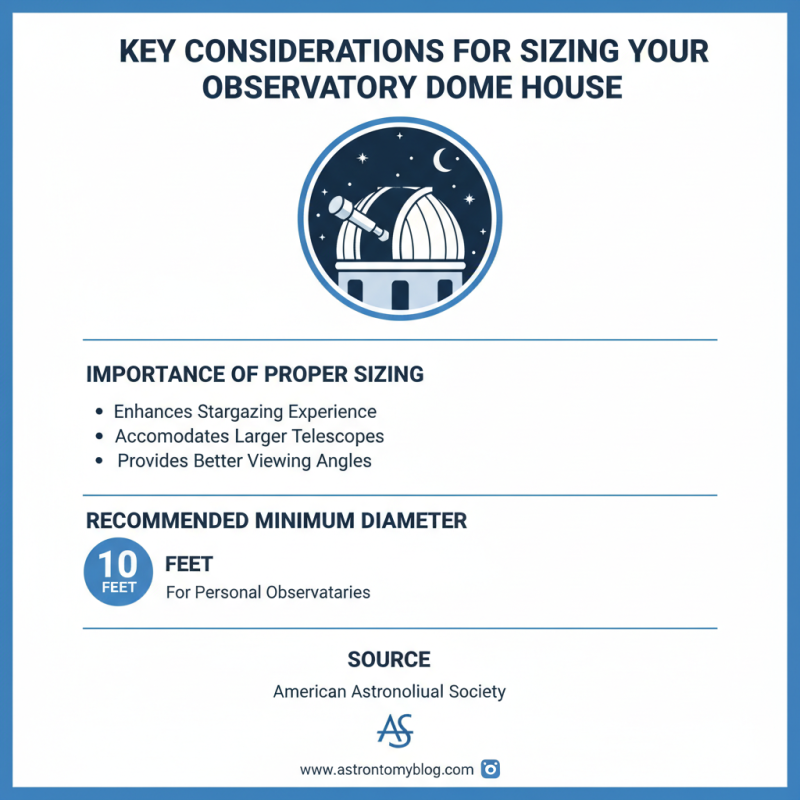
Size and structure also matter in your decision-making process. A larger dome provides better visibility of the sky but may be impractical for small spaces. Think about the placement too. Some domes fit easily in backyards while others require more space. Don't overlook your local climate; weather-resilient materials can enhance durability. Ultimately, selecting the right dome demands careful consideration of various factors, each demanding your reflection.
Evaluating Materials: Durability and Insulation in Dome Construction
When selecting an observatory dome house, the materials used in construction play a critical role in performance. Insulation and durability are two primary factors that can impact your experience. A study by the American Institute of Architects highlights that poor insulation can lead to energy loss of 30% or more. This prompts the need for effective materials.
In dome construction, materials like reinforced fiberglass and insulated concrete can enhance thermal efficiency. According to the International Energy Agency, proper insulation can reduce heating costs by up to 50%. This suggests a strong correlation between material choice and long-term sustainability. However, many dome houses still use outdated materials, leading to inefficiencies.
Consider the climate in your area. Extreme weather conditions require advanced insulation techniques. While traditional materials may suffice for mild climates, they may not hold up elsewhere. Reflecting on your specific needs can lead to better decision-making. This is essential, as even the best designs can falter without the right materials. Choosing wisely now minimizes future regrets.
Material Evaluation for Observatory Dome Houses
Assessing Location and Environmental Impact on Dome Performance
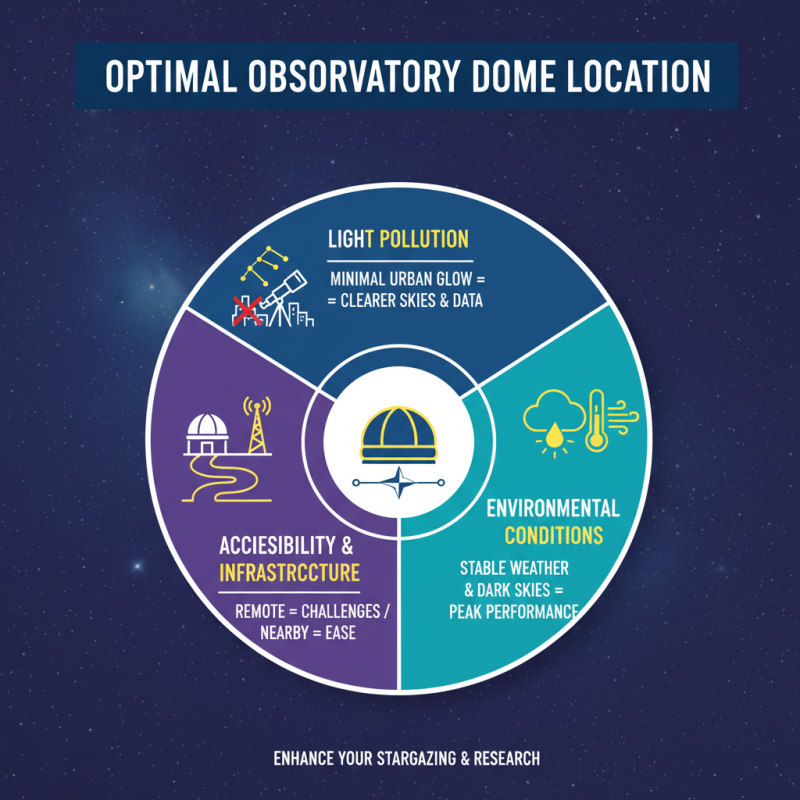
Choosing the right location for your observatory dome house is crucial. Factors such as light pollution, accessibility, and environmental conditions play a significant role in dome performance. For instance, areas with minimal light pollution provide clearer views of the night sky. This clarity enhances your stargazing experience and allows for better data collection. However, remote locations may pose challenges in terms of access and infrastructure, which can impact your overall experience.
Environmental impact is another essential consideration. The material of your dome and its design can affect local wildlife and vegetation. A well-thought-out plan can minimize disturbances. Think about the local ecosystem and how your dome might disrupt it. Reflecting on this can create a more harmonious balance with nature. You may also need to consider weather patterns in your chosen location. High winds, heavy rain, or extreme temperatures can compromise the integrity of your observatory dome.
Your choice of location goes beyond just personal preference. It involves understanding both the environment and how the dome will perform over time. Assessing these factors can lead to a fulfilling observatory experience. Balancing personal needs with environmental considerations is necessary. Finding that balance can be a challenge but is essential for long-term satisfaction.
Budgeting for Your Observatory: Costs and Long-Term Investment Analysis
When budgeting for your observatory dome house, consider both initial costs and long-term investments. The setup costs can vary significantly based on size, materials, and location. You might think it’s easier to skimp on quality for lower upfront costs. However, this might lead to more expenses later due to repairs or replacements.
Don’t forget ongoing costs like utilities and maintenance. These costs can quickly add up over time. Additionally, factor in the value of your time spent on upkeep. An observatory should enhance your stargazing experience, not create stress. Choosing durable materials can minimize maintenance needs, but they often carry a higher price tag initially. Be aware of this trade-off.
An observatory is more than just a hobby; it’s a long-term investment in your passion for astronomy. Thus, it’s crucial to weigh the costs against the benefits. While the numbers may seem daunting, remember that investing wisely today can lead to priceless experiences under the stars for years to come. Reflect on what you truly value in your observatory, and let that guide your budgeting decisions.