Why Choose a Digital Dome Planetarium for Your Next Educational Experience?
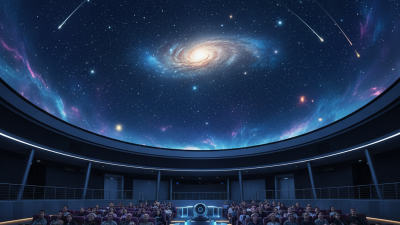
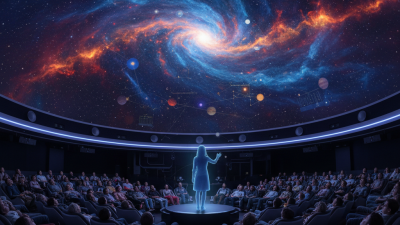
In recent years, the Digital Dome Planetarium has emerged as a revolutionary tool for educational experiences. This immersive technology invites students to explore the universe like never before. Picture a classroom where the night sky unfolds above, with stars, planets, and galaxies surrounding you. This is the promise of the Digital Dome Planetarium.
Many educators recognize its potential to enhance learning. It offers a unique way to engage students and spark their curiosity. However, not all planetariums are created equal. Some may lack the necessary technology or features. Thus, choosing the right Digital Dome Planetarium can be daunting. It's crucial to ensure it meets educational needs and delivers a transformative experience.
Yet, there can be challenges with setup and usage. Training for instructors is essential. Without proper guidance, the technology can feel overwhelming. Balancing excitement and practicality is key. When done right, the Digital Dome Planetarium can elevate an educational experience to new heights, making learning both enjoyable and impactful.
Benefits of Immersive Learning in Digital Dome Planetariums
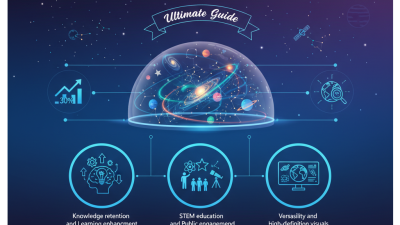
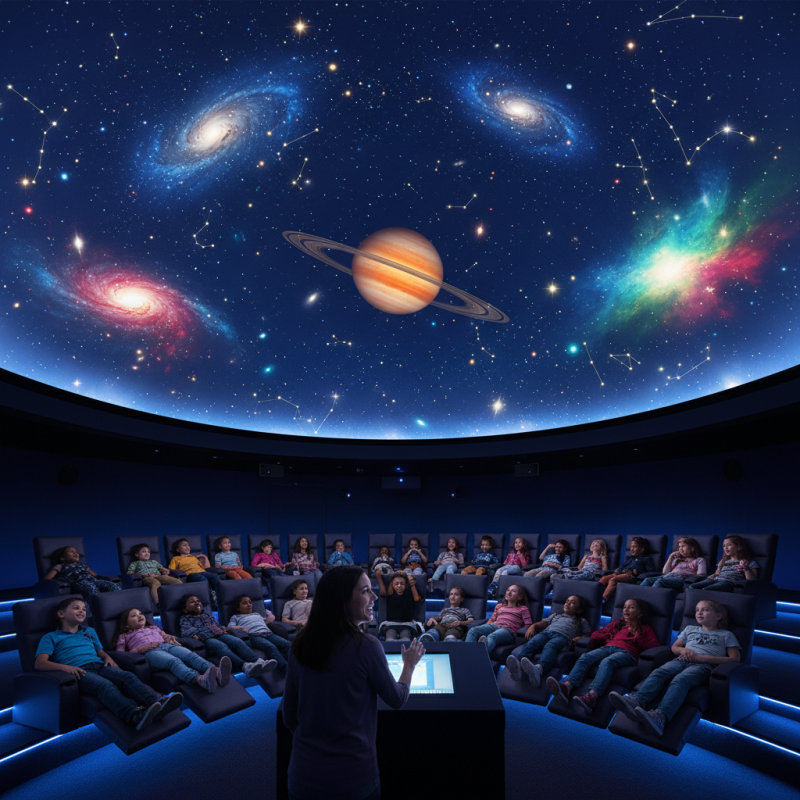
Digital dome planetariums provide a unique setting for immersive learning experiences. These advanced facilities create stunning visual displays, making education engaging and exciting. Students can explore distant galaxies, intricate ecosystems, and even complex scientific phenomena without leaving their seats. This immersive nature taps into various learning styles and keeps students attentive.
Research shows that immersion boosts retention. When learners experience concepts visually, they are more likely to remember them. The 360-degree views bring subjects to life, providing context that traditional learning methods often lack. However, some might find the technology overwhelming. Not every student may adapt to such vivid simulations right away. Instructors must guide students through these experiences, encouraging them to reflect on what they see.
Interactive elements further enhance learning. Students can ask questions and participate actively in discussions. This interaction can deepen understanding but might also raise challenges. Some students may dominate discussions while others hesitate to contribute. Balancing these dynamics is crucial for maximizing the educational potential of digital dome planetariums. Engaging learners in this way fosters a collaborative atmosphere, vital for developing critical thinking skills.
Comparative Analysis of Digital vs. Traditional Planetarium Experiences
When it comes to immersive educational experiences, the differences between digital and traditional planetariums are significant. Digital dome planetariums leverage advanced technology to create stunning visuals. These projections can adapt to different learning needs. They offer interactive features that engage students more than static images. This approach makes grasping complex astronomical concepts easier.
On the other hand, traditional planetariums rely on physical models and fixed images. While they have historical value, they often lack the flexibility of digital systems. Visitors might find themselves wishing for more interactive elements. Moreover, traditional settings limit the scope of presentations. Certain concepts cannot be visually represented effectively.
Digital planetariums also allow for real-time updates. This means latest astronomical discoveries can be shared instantly. Yet, it is vital to consider the potential drawbacks of relying on technology. Technical glitches can disrupt presentations, diminishing the experience. Balancing the digital experience with hands-on learning may be necessary for a complete educational journey.
Technological Advancements in Digital Dome Systems: A Game Changer
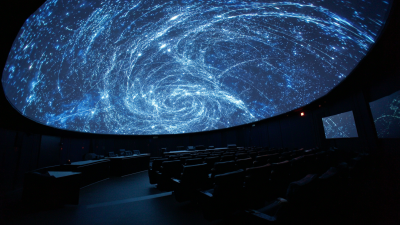
Digital dome planetariums are transforming education through innovative technology. These systems create immersive environments that captivate audiences. With advanced projection techniques, students can explore the cosmos like never before. The clarity and detail offered by these digital systems make complex astronomical concepts tangible. Learning becomes an engaging experience as viewers are surrounded by stunning visuals.
One notable advancement is the integration of interactive elements. Users can interact with the projection, enhancing comprehension and retention. This makes the learning process more personalized. However, while technology offers incredible possibilities, it can also present challenges. Educators must balance these advancements with traditional teaching methods. They need to ensure that the technology enhances, rather than overshadows, the core content.
Moreover, the versatility of digital dome systems allows for diverse subject matters. Beyond astronomy, topics like biology and history can be explored in dynamic ways. Yet, the reliance on technology poses questions about accessibility. Not all institutions can invest in such systems. This raises important discussions about equal educational opportunities in a rapidly evolving digital landscape.
Why Choose a Digital Dome Planetarium for Your Next Educational Experience?
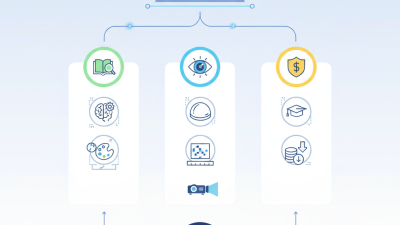
| Feature |
Benefit |
Applications |
User Experience |
| High-Resolution Projections |
Enhanced visual experience for immersive storytelling |
Education, Entertainment, Research |
Captivating and engaging presentations |
| Interactive Learning Tools |
Allows hands-on engagement and exploration |
Workshops, Exhibits, Classes |
Dynamic participation from users |
| 360-Degree Views |
Complete immersion into environments and scenarios |
Planetarium Shows, Simulations |
Full engagement and exploration capability |
| Adaptive Content |
Tailored educational experiences for diverse audiences |
School Programs, Community Events |
Improved accessibility for various learning levels |
| Multimedia Integration |
Incorporates video, audio, and graphics for richer storytelling |
Seminars, Interactive Displays |
Enhanced emotional and intellectual impact |
Cost-Effectiveness of Digital Dome Planetarium for Educational Institutions
Digital dome planetariums provide an innovative approach to education. They offer a unique, immersive experience that captivates students. This technology is not only engaging but also cost-effective for educational institutions. According to a report by the National Science Foundation, schools using digital dome systems observed a 30% increase in student engagement compared to traditional methods. This shift can lead to better learning outcomes, making the investment worthwhile.
The initial setup cost of a digital dome planetarium might seem high, ranging from $50,000 to $100,000. However, the operational costs are relatively low. Maintenance and software updates are manageable, ensuring longevity. Reports indicate that institutions experience substantial savings over time through improved attendance and enhanced program offerings. Some schools report up to a 40% increase in community engagement events after integrating digital dome experiences.
Moreover, digital dome planetariums can serve multiple educational purposes. They can host science, art, and history programs in one space. This versatility is crucial for budget-conscious institutions. However, the setup requires thoughtful planning to align with curriculum goals. Schools must be prepared to adapt and invest in training staff for effective use. This ongoing commitment may challenge some institutions, yet the potential benefits are significant.