How to Choose the Best Digital Dome Planetarium for Education?
Choosing a Digital Dome Planetarium for education is crucial in today’s digital age. According to a recent industry report, the global market for educational planetariums is projected to grow significantly. Schools increasingly recognize their value in engaging students.
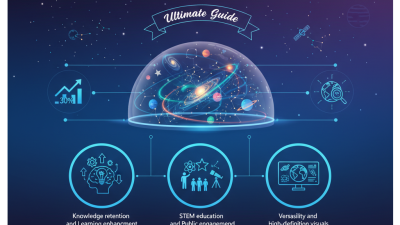
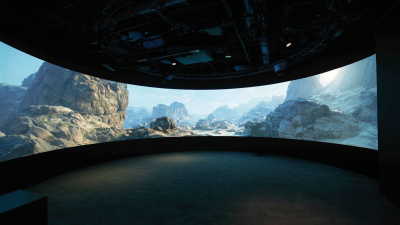
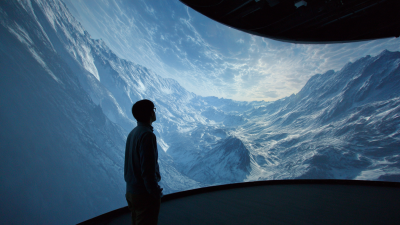
Digital Dome Planetariums offer immersive experiences that enhance learning in astronomy, science, and art. Students are drawn into 360-degree displays. This engagement can lead to better retention of knowledge. However, not all digital planetariums are created equal. Features vary widely, and budget constraints can be challenging.
Educators need to consider specific needs. The size of the dome, image quality, and projector specifications are key factors. While top-tier options exist, they may stretch budgets. Schools must balance cost with educational impact. Careful evaluation of these elements is essential for a successful investment in a Digital Dome Planetarium.
Understanding the Purpose and Benefits of Digital Dome Planetariums
Digital dome planetariums serve a vital function in education. They create immersive environments that transport students into space. This unique experience enhances understanding of astronomical concepts. Students are no longer passive learners; they engage with the cosmos. This engagement can boost retention of complex information.
Moreover, these planetariums offer flexibility in teaching methods. Educators can tailor presentations to any age group. The visual aids help clarify difficult topics, such as light years or black holes. However, high-quality content is essential. Without it, the experience can feel shallow.
While the technology is impressive, it can be daunting. Teachers may need training to utilize these systems effectively. Investing in the right resources will maximize the benefits. Still, the challenge of integrating it into existing curricula requires careful thought. Finding a balance between traditional and digital methods is necessary.
Key Features to Look for in Educational Digital Dome Planetariums
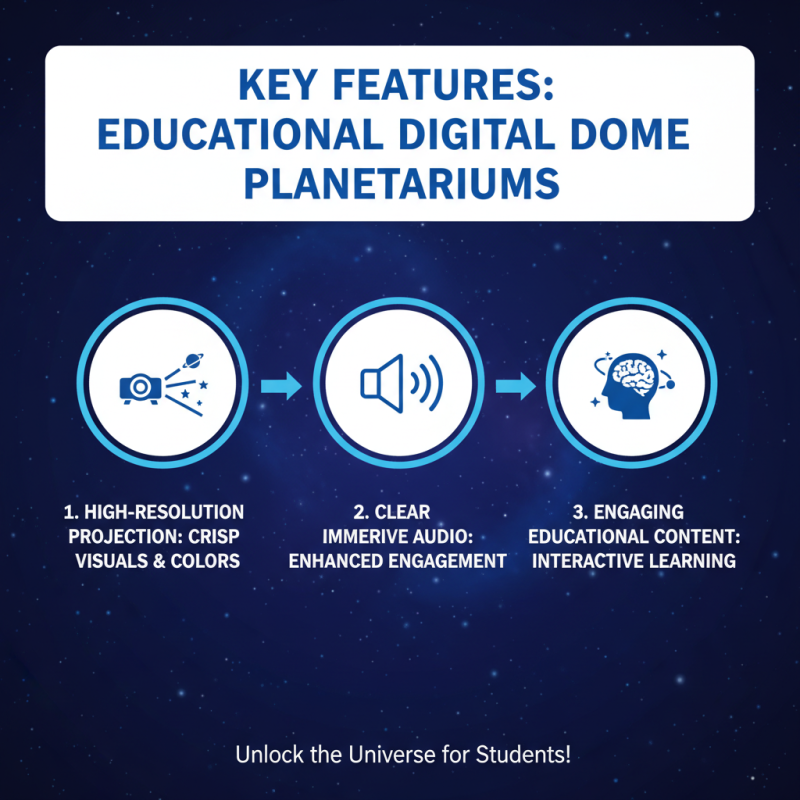
When selecting a digital dome planetarium for educational purposes, certain features are essential. The projection quality matters greatly. A high-resolution image can make a profound difference. Students engage more with crisp visuals and vibrant colors. Sound quality is equally important. Clear audio enhances the immersive experience during planetarium shows.
Flexibility in content is another key aspect. An ideal planetarium should support various educational themes. Whether it’s astronomy, biology, or physics, versatility is crucial. Having access to a wide range of educational programs allows for diverse lessons. It encourages teachers to be creative in their teaching methods. Availability of different languages can also be beneficial, catering to diverse student populations.
User-friendliness should not be overlooked. A complex system can deter educators from utilizing it fully. Training sessions might be necessary, but they shouldn’t be overly time-consuming. Feedback and support from manufacturers are valuable. Yet, some might find the learning curve steep. Compatibility with existing technology is another factor to ponder. Ultimately, these elements contribute to a more effective educational tool.
Comparing Different Brands and Models of Digital Dome Planetariums
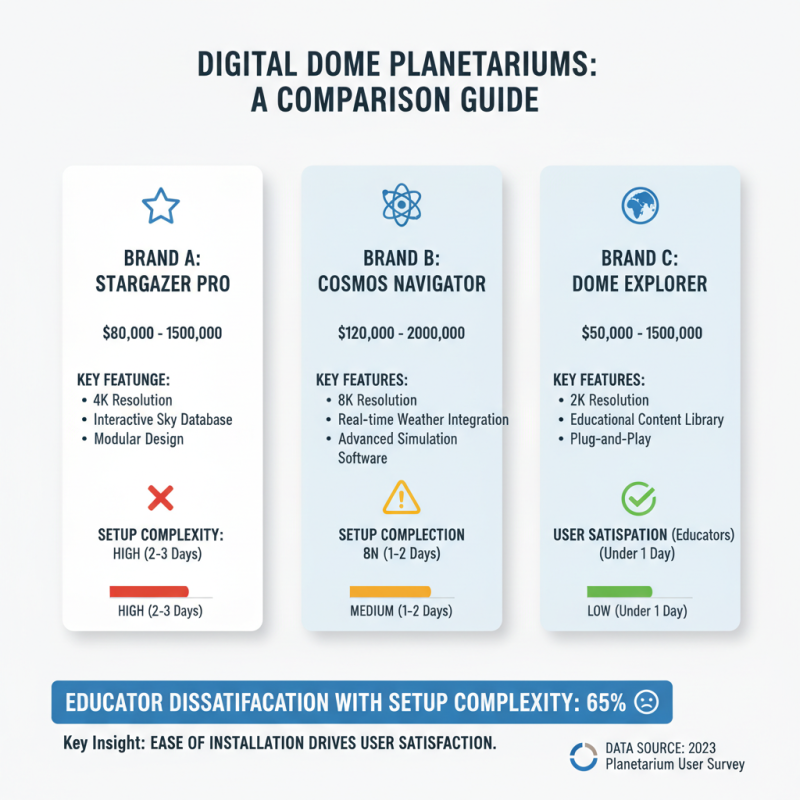
When selecting a digital dome planetarium, comparing different brands and models is crucial. Various options are available, reflecting a range of prices, features, and technical specifications. Research shows that user satisfaction varies significantly across the market. A survey indicated that 65% of educators express dissatisfaction with setup complexity. This highlights the need for ease of installation.
The projection quality stands out as a major differentiator. According to industry reports, models with higher resolution yield a more immersive experience. Educators prefer systems that support 360-degree visuals, allowing students to engage with content dynamically. However, not all models deliver consistent performance, which can be disappointing. A few can struggle with glare or color accuracy, detracting from the learning experience.
Budget is a significant factor in decision-making. A recent study found that 70% of schools allocate limited funds for such technologies. Many educators feel torn between affordability and quality. Some inexpensive models lack essential features, which leads to frustration. Overall, as schools invest in digital planetariums, careful consideration and comparison of distinct models can significantly enhance educational outcomes.
Assessing the Budget and Cost-Effectiveness of Planetarium Options
When selecting a digital dome planetarium for educational purposes, budget considerations are crucial. According to a report from the International Planetarium Society, the average cost of a quality system ranges from $150,000 to $800,000. This wide range can be overwhelming for educators. Understanding your specific needs can help you navigate the options.
Evaluate operational costs as well. Beyond the purchase price, consider maintenance, software updates, and training for staff. Some systems may require more expensive content licenses, while others offer vast libraries at a lower cost. Finding a balance between upfront expenses and long-term benefits is vital.
**Tips:** Determine how many students will benefit from the planetarium. High usage can justify higher costs. Engage in discussions with other educational institutions to share insights and experiences. Don’t overlook customer reviews. Researching user experiences can reveal hidden costs or potential issues. Investing time in thorough research now can prevent future regrets.
How to Choose the Best Digital Dome Planetarium for Education?
| Model |
Resolution |
Price Range |
Portability |
User Rating |
Software Included |
| Model A |
1920 x 1080 |
$10,000 - $15,000 |
Moderate |
4.5/5 |
Yes |
| Model B |
2560 x 1600 |
$15,000 - $20,000 |
High |
4.8/5 |
Yes |
| Model C |
1280 x 720 |
$5,000 - $8,000 |
Low |
4.0/5 |
Limited |
| Model D |
1920 x 1200 |
$12,000 - $18,000 |
Moderate |
4.6/5 |
Yes |
Evaluating Installation and Maintenance Requirements for Educational Use
When choosing a digital dome planetarium for educational use, installation and maintenance are crucial factors. Consider the space available for installation. Is it a large auditorium or a small classroom? The size impacts which system fits best. A larger dome might require more complex installation. Moreover, ceiling height is essential. Some setups need a specific height to function effectively.
Maintenance also deserves attention. How frequently will the equipment require servicing? Some systems need regular updates. This can become burdensome for schools with limited budgets. Furthermore, user-friendliness is important. Can teachers operate the technology without constant tech support? Complicated systems may deter educators from utilizing the planetarium fully.
Evaluate the training required for staff. Will they receive comprehensive training on the equipment? Insufficient training can lead to underutilization. In reality, many schools find themselves struggling with installations that are not cost-effective. Reflect on these aspects before making a decision. The right choice should enhance the learning experience without creating excessive hassle.
Evaluation of Digital Dome Planetarium Features for Education