How to Choose the Best Fulldome Projection System for Your Venue
Choosing the right projection system for your venue is a critical decision that can significantly impact the quality of presentations, events, and educational experiences. A Fulldome Projection system, known for its immersive capabilities, offers a unique way to engage audiences by enveloping them in expansive visuals. As technology continues to advance, it is crucial to understand the different options available and their specific benefits to ensure optimal performance in your space.
In this guide, we will explore various facets of Fulldome Projection systems, including key features, installation requirements, and considerations based on the type of events you plan to host. Whether you are setting up a planetarium, a museum, or an educational institution, recognizing the right specifications, compatibility, and user-friendliness of these systems will allow you to create an unforgettable viewing experience.
By the end of this article, you will be equipped with the knowledge needed to select the best Fulldome Projection system that aligns with your venue's needs and objectives, ensuring that your audience is captivated and engaged like never before.
Factors to Consider When Selecting a Fulldome Projection System
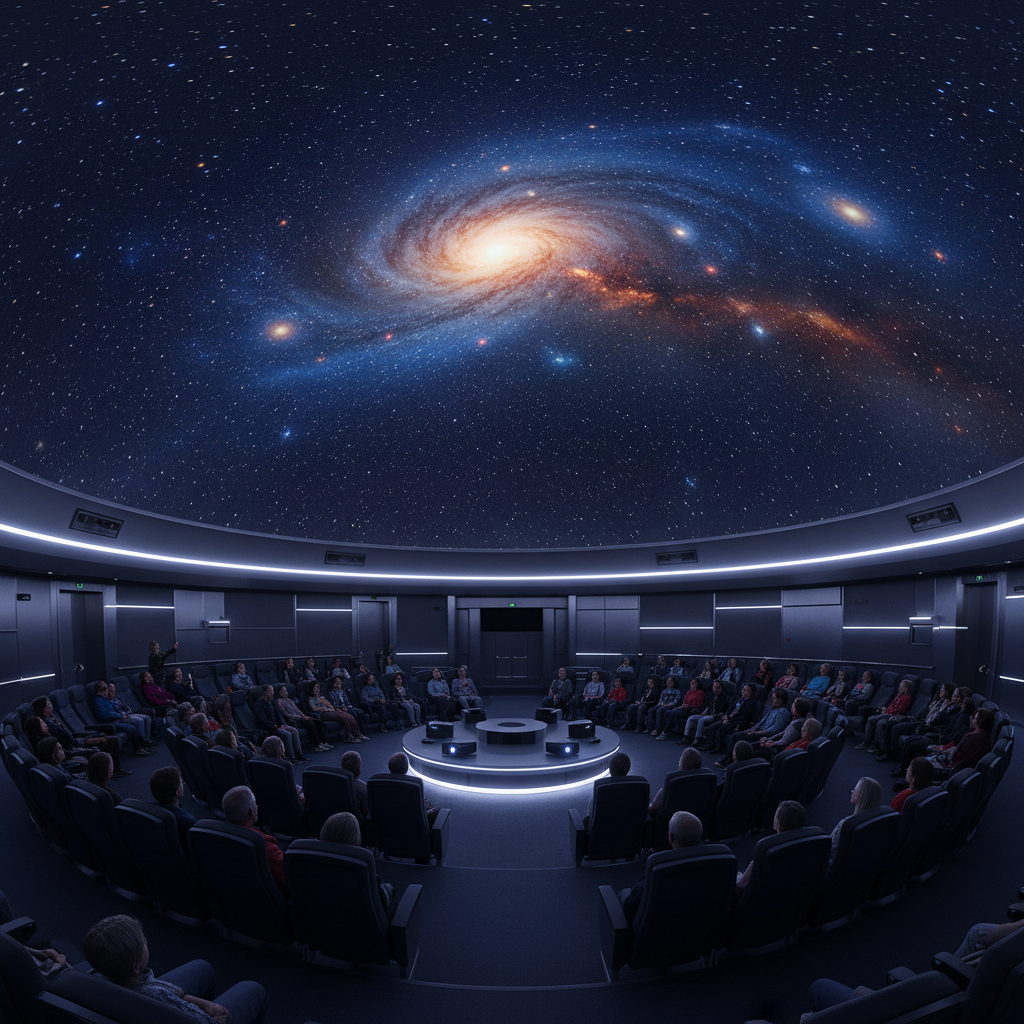
When selecting a fulldome projection system for your venue, several critical factors should be considered to ensure the best fit for your specific needs. First, assess the size and shape of your dome or projection space. The dimensions determine the type of projection system you can use, as well as the necessary resolution and brightness. A larger dome may require higher-lumen projectors to achieve vibrant images that can be seen clearly from all angles.
Another important criterion is the content compatibility of the system. Investigate the types of media you plan to display, such as educational programs, entertainment, or immersive experiences. Ensure the system supports high-definition and 360-degree content to maximize viewer engagement. Additionally, consider the ease of use and scalability of the system. A user-friendly interface can facilitate smooth operations, while scalability allows for future upgrades as technology advances or your programming needs evolve. Taking the time to evaluate these factors will significantly enhance the impact of your fulldome presentations.
Factors to Consider When Selecting a Fulldome Projection System
Types of Fulldome Projection Technologies Available
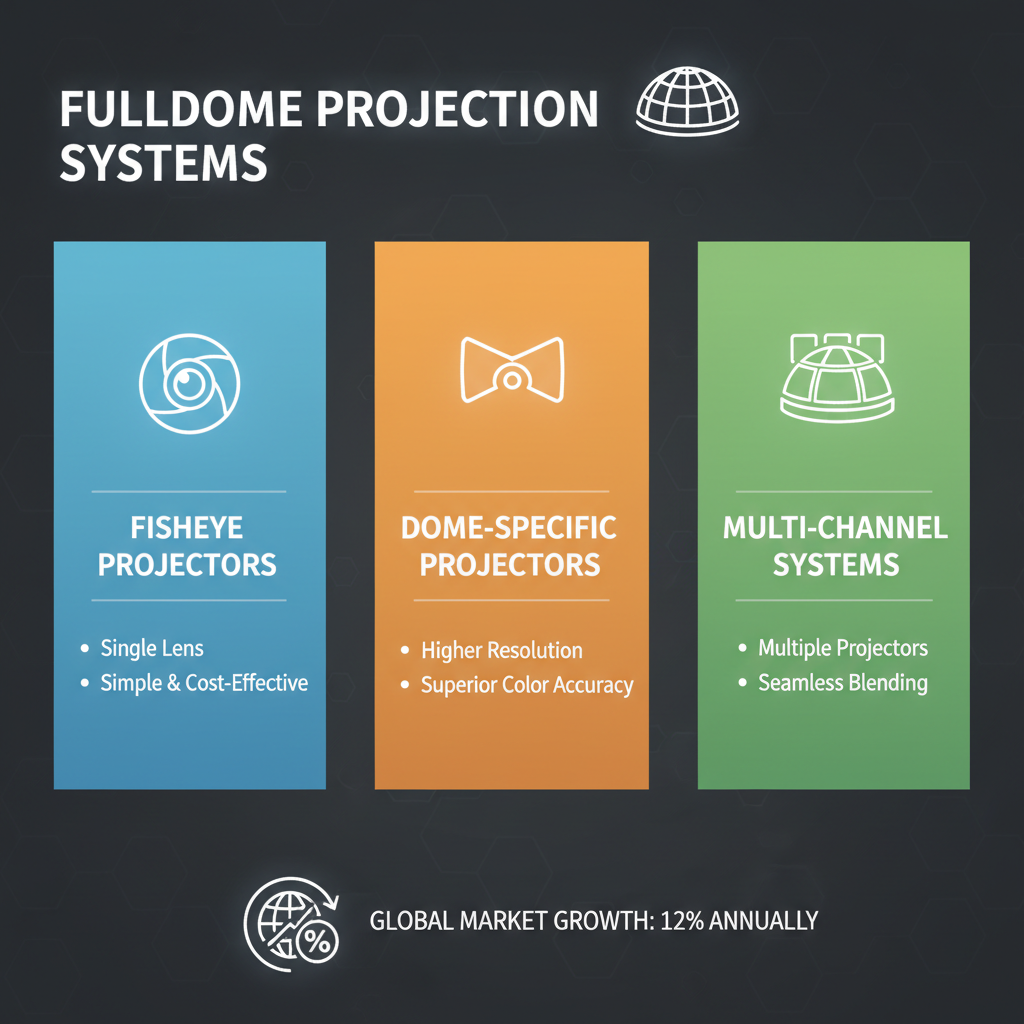
When selecting a fulldome projection system for your venue, it's crucial to understand the different technologies available. The three primary types of fulldome projection technologies are fisheye projector systems, dome-specific projectors, and multiple-channel systems. Fisheye projectors, known for their simplicity and cost-effectiveness, utilize a single, wide-angle lens to deliver images across the dome surface. Dome-specific projectors, on the other hand, are designed specifically for immersive experiences, providing higher resolution and better color accuracy. According to recent industry reports, the global market for dome projection systems is projected to grow by 12% annually, highlighting the increasing demand for immersive entertainment experiences.
To optimize the use of these technologies, consider your venue's size and audience capacity. A larger dome may benefit more from multiple-channel systems that utilize several projectors working in unison, creating a seamless image that covers the entire dome. Additionally, pay attention to the content and programs available for each system, as this greatly impacts the audience's experience.
Tips: Always evaluate your budget against the types of projects you plan to host. Choosing a system that allows for future upgrades can save costs down the line as technology continues to evolve. Furthermore, ensure that your chosen system is compatible with diverse content formats to maximize its usability across various events.
Evaluating Venue Size and Audience Capacity for Projection Needs
When selecting a fulldome projection system, evaluating your venue size and audience capacity is crucial. The dimensions of your venue will determine the type of projection system that can be effectively utilized. A larger dome might require a higher resolution system to maintain image clarity, while smaller venues might benefit from more compact setups.
It’s important to measure both the width and height of the dome to ensure compatibility with the projection technology you are considering. Additionally, consider the seating layout; an optimal projection experience requires that all audience members can view the content without obstruction.
Audience capacity is another key factor that influences your choice of projection system. A venue designed for larger crowds may necessitate multiple projection sources to prevent any blind spots and ensure that everyone has a clear view of the visuals. It’s essential to assess the expected audience size not just for current demands but also for future events. This foresight helps select a scalable system that can accommodate growth without requiring frequent upgrades. By carefully evaluating both venue size and audience capacity, you can make an informed decision that enhances the overall experience for your visitors.
Budgeting for Fulldome Systems: Costs and Investment Considerations
When budgeting for a fulldome projection system, it's crucial to consider both the initial costs and long-term investments. The price of fulldome systems can vary widely based on several factors, including the technology used, resolution quality, and the features included in the package.
Entry-level systems may cost around $20,000, while high-end solutions can exceed $200,000. It’s essential to match the system to your venue's specific needs, ensuring that the investment aligns with audience expectations and programming goals.
In addition to the purchase price, ongoing costs such as maintenance, software updates, and staff training should also be factored into the budget. These additional expenses can significantly influence the total cost of ownership over time.
Furthermore, exploring funding opportunities, such as grants or partnerships, can alleviate some financial pressures. Understanding the total cost of ownership will help venues make informed decisions that not only enhance the viewer experience but also ensure sustainable operations.
Support and Maintenance: Ensuring Longevity of Your Projection System
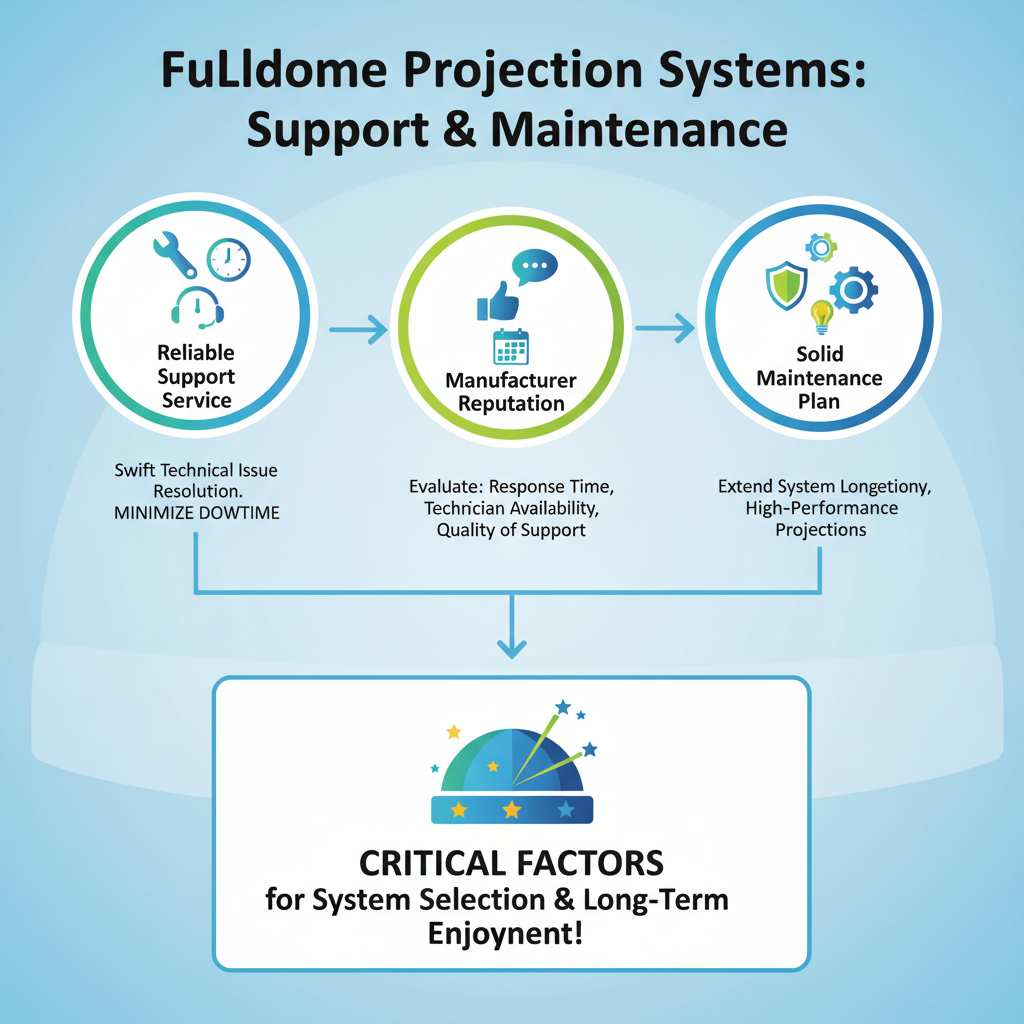
Support and maintenance are critical factors to consider when choosing a fulldome projection system for your venue. A reliable support service ensures that technical issues can be swiftly addressed, minimizing downtime and disruptions to your programming. It's essential to evaluate the manufacturer’s reputation for customer service, including response times, availability of technicians, and the quality of support offered. A solid maintenance plan can extend the longevity of your system, allowing you to enjoy high-performance projections for many years.
Regular maintenance of the projection system plays a vital role in preserving its functionality and visual quality. Scheduling routine checks can help identify potential issues early, such as alignment problems or dust accumulation on lenses that may affect image clarity. Additionally, investing in training for your staff can empower them to perform basic troubleshooting and maintenance tasks, ensuring that your system operates smoothly. By prioritizing ongoing support and maintenance, venues can safeguard their investment and maximize the impact of their fulldome experiences.