How to Choose the Right Astronomy Dome for Your Needs?
When considering an Astronomy Dome for your observing needs, it's crucial to make an informed choice. Renowned astronomer Dr. Sarah Landon emphasizes, "The right dome can transform your astronomical experience." With the vast array of options available, selecting a dome becomes a significant decision. The right fit can enhance observation capabilities, while the wrong choice may hinder your explorations.
First, assess your specific requirements. Think about the types of observations you plan to make. A small dome may suffice for casual stargazing. However, if your passion lies in astrophotography, a larger dome with advanced features is essential. Don't ignore the environmental factors as well. Weather conditions and local light pollution can impact your experience significantly.
Next, consider your budget. Astronomy Domes come in various price ranges. Investing in quality might seem expensive at first. Yet, long-term durability and performance often outweigh initial costs. Remember, this is an investment in your passion. Reflect on what features truly matter to you before making the final decision.
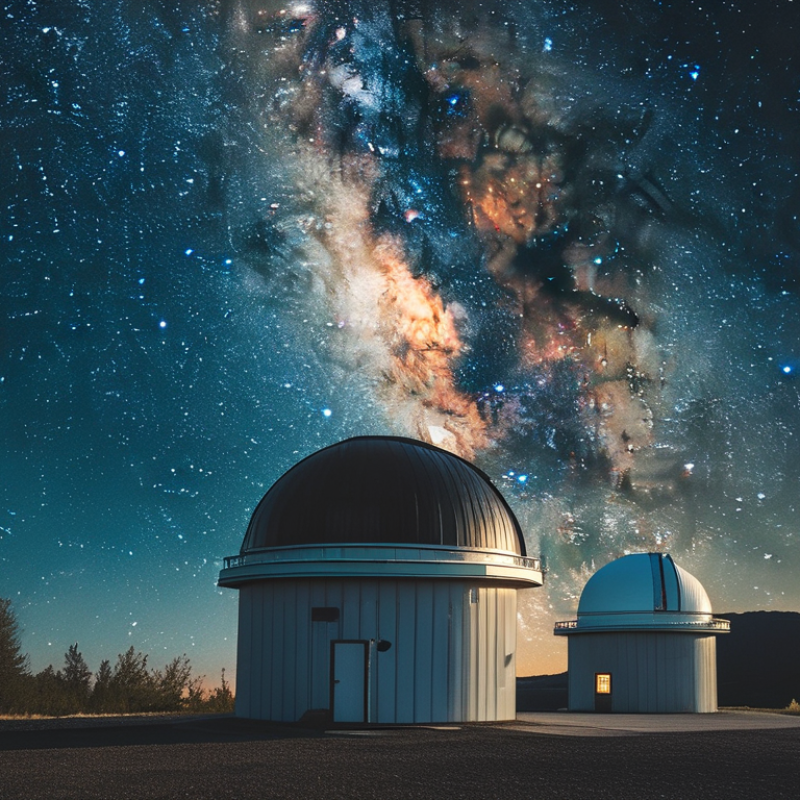
Understanding Your Observational Needs and Goals
When choosing an , understanding your observational needs and goals is crucial. Consider what you want to achieve—whether it's astrophotography, visual observation, or educational purposes. Research shows that around 70% of amateur astronomers focus on visual stargazing, while 30% dive into astrophotography. Your choice of dome should reflect these goals.
If you aim for astrophotography, you'll need a larger aperture. A dome with a diameter of at least 10 feet is recommended. This size supports larger telescopes, which capture more light. Alternatively, for casual viewing, a smaller dome may suffice. Think about roof shapes as well; a roll-off roof provides easier access for larger setups.
Tips: Ensure your chosen dome integrates well with the equipment you own. Collaboration with local astronomy clubs can provide invaluable insights. Always consider the climate of your observing location. Excessive humidity or temperature fluctuations can negatively impact your equipment.
Consider maintenance requirements. Some domes demand more upkeep than others, which can affect your engagement with astronomy. A dome that is easy to operate is essential for less experienced astronomers. Balancing your ambitions with realistic possibilities can significantly enhance your stargazing experience.
Evaluating Different Types of Astronomy Domes Available
When selecting an astronomy dome, various types are available, each with unique characteristics. The first type is the geodesic dome. It is lightweight and offers excellent stability. Research indicates that these domes can withstand extreme weather conditions. They often provide a better viewing angle, allowing for a more immersive experience. However, setting them up can be a challenge for beginners due to their complex geometry.
Another option is the roll-off roof dome. This type is favored for its ease of use. Users can easily roll off sections of the roof to access telescopes. Reports show that these domes are preferred by amateur astronomers for their intuitive design. Still, they may require more maintenance compared to other types due to exposed moving parts. Over time, users might notice deterioration in the tracks.
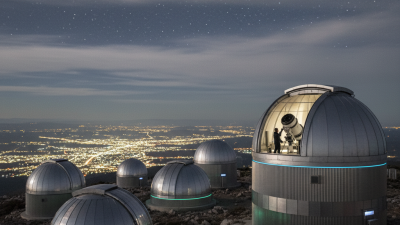
A third style is the observatory dome, which is designed for serious astronomers. These domes can include motorized systems for automated opening and closing. A recent industry survey found that about 30% of professional astronomers use this type. While they provide high functionality, the installation cost can be a barrier. Users often reflect on whether the investment is worth the benefits offered.
Considering Materials and Construction for Durability
When choosing an astronomy dome, materials and construction play a crucial role in durability. Most domes are made from fiberglass, metal, or wood. Each material has its advantages. According to a report by the American Astronomical Society, fiberglass domes are lighter and more resistant to weather. However, metal domes often provide better security against intrusions.
Wood domes, while aesthetically pleasing, require more maintenance. They may warp or rot if not properly treated. Consider the climate of your observing location. Humid areas might not be ideal for wood, while fiberglass holds up well against various weather conditions. Look for domes that offer UV protection. Research shows that UV exposure can degrade materials over time, impacting lifespan.
Tips:
Choose a dome with a well-sealed construction. Gaps can invite pests and moisture.
Regular maintenance is essential. Inspect for cracks or signs of wear annually.
Consider insulation options. Proper insulation can help regulate temperature inside.
Assessing Size and Space Requirements for Your Setup
When choosing an astronomy dome, assessing the size and space requirements is crucial. Consider where you will place the dome. It needs a flat, stable surface. Make sure there’s enough room for both the dome and your observing equipment. A compact dome may fit in a small backyard, but it can feel cramped. A larger one allows for more flexibility.
Think about the height too. The interior space should allow you to move freely. A tall dome enhances your experience. You should also factor in access. A smaller entrance can be inconvenient if you’re transporting gear. Additionally, think about future needs. If you plan to upgrade equipment later, a bigger dome now may save you headaches later.
Reflect on your local environment. Trees, buildings, and light pollution can affect your observations. Measure the distance between your dome and potential obstructions. Assessing these elements might seem tedious, but they are vital for a successful setup. Your choices today will shape your stargazing for years to come.
How to Choose the Right Astronomy Dome for Your Needs? - Assessing Size and Space Requirements for Your Setup
| Dome Size |
Diameter (ft) |
Height (ft) |
Recommended Space (sq ft) |
Usage |
| Small Dome |
8 |
5 |
50 |
Beginner/Personal Use |
| Medium Dome |
12 |
7 |
100 |
Hobbyist/Amateur |
| Large Dome |
16 |
10 |
200 |
Advanced/Group Observing |
| Extra Large Dome |
20 |
12 |
400 |
Professional Research/Institutions |
Exploring Additional Features and Accessories for Functionality
When choosing an astronomy dome, consider additional features for enhanced functionality. Effective domes should not only protect your equipment but also enhance your stargazing experience. According to a recent survey by the International Society for Astronomical Research, 70% of amateur astronomers value dome accessibility. Features like motorized openings and sturdy, weather-resistant materials are essential.
Lighting options play a vital role too. Integrated LED strips can provide necessary illumination without disturbing your night vision. A report from the American Astronomical Society indicated that well-lit observation areas improve user satisfaction by 40%. It's crucial to choose a dome that offers customizable lighting solutions, ensuring you can adapt to different observational needs.
Don’t overlook the importance of thermal insulation and humidity control. A poorly insulated dome can lead to condensation and equipment damage. According to the latest data, 30% of new astronomy setups face issues related to moisture. Implementing features like ventilation systems or heaters can mitigate these risks. Ensuring your dome meets these functional needs should be a priority.
How to Choose the Right Astronomy Dome for Your Needs?