2025 How to Create an Immersive Fulldome Planetarium Experience?
In the realm of modern education and entertainment, the Fulldome Planetarium serves as a transformative space where immersive storytelling meets cutting-edge technology. As we approach 2025, the potential for creating an engaging Fulldome Planetarium experience has never been more promising. Renowned planetarium expert Dr. Jane Smith highlights the importance of innovation in this field, stating, "An immersive Fulldome experience can redefine the way we perceive our universe, captivating audiences and enhancing their understanding of astronomical phenomena."
To craft a truly immersive experience within a Fulldome Planetarium, it is essential to consider various components, including state-of-the-art projection technology, compelling narratives, and interactive elements that inspire curiosity and wonder. The integration of these elements not only elevates educational outcomes but also fosters a deeper emotional connection between the audience and the cosmos. As the industry evolves, the challenge lies in balancing technical sophistication with creative storytelling, ensuring that every visitor is not just a spectator but an active participant in their journey through space and time.
Ultimately, the future of Fulldome Planetariums will be defined by their ability to transport audiences into new realms of understanding, sparking imaginations and awakening a shared sense of wonder about the universe we inhabit. Through continuous innovation and collaboration, we can unlock the full potential of these extraordinary venues, paving the way for a new generation of celestial explorers.
Understanding the Basics of Fulldome Planetarium Technology
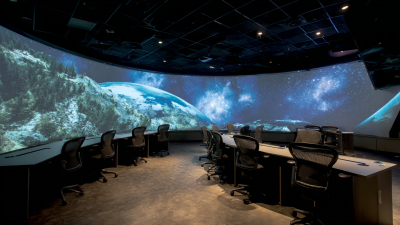
Creating an immersive fulldome planetarium experience begins with a solid understanding of fulldome technology fundamentals. Fulldome systems typically incorporate high-resolution projection capabilities, utilizing multiple projectors to create a seamless image across a dome-shaped screen. According to a report by the International Planetarium Society, advancements in projection technologies have led to the emergence of 4K and even 8K resolution systems, significantly enhancing visual richness and detail. This is crucial for captivating audiences and making educational content more engaging, as immersive visuals can improve retention and comprehension in learning environments.
In addition to projection technology, the integration of 3D audio systems plays a vital role in enhancing the immersive experience. Research conducted by the Audio Engineering Society indicates that spatial audio can significantly affect how audiences perceive and interact with the visual content displayed in a fulldome setting. By utilizing advanced sound design techniques, planetariums can create an auditory landscape that complements the visual experience, making the narrative more compelling and impactful. This multidimensional approach not only attracts audiences but also fosters deeper connections with the presented material, thereby enhancing the overall educational value of the planetarium experience.
Selecting the Right Software for Immersive Experiences
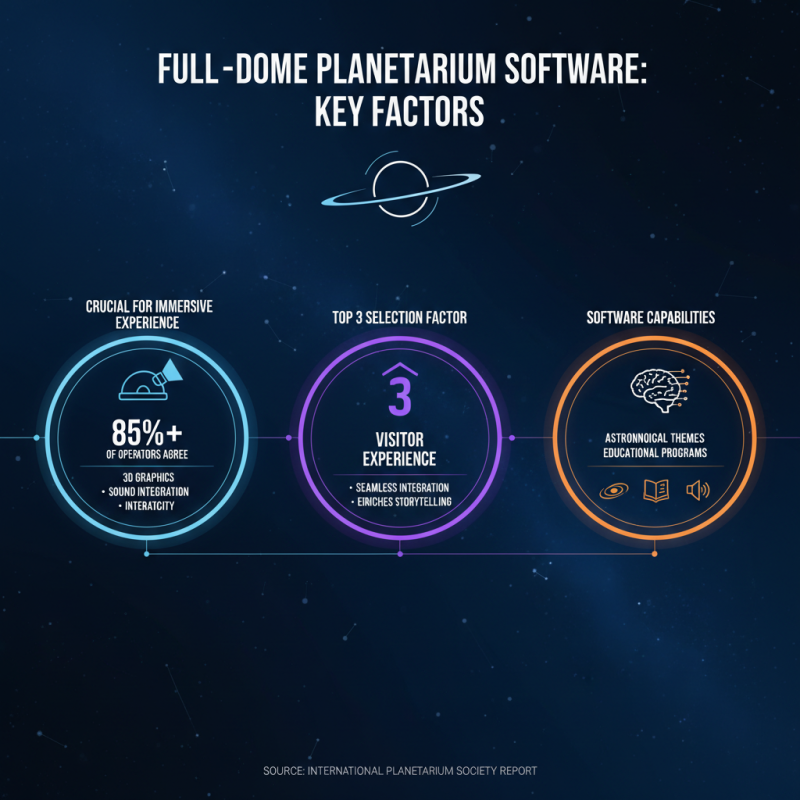
Choosing the right software is crucial for creating an immersive fulldome planetarium experience. According to a report from the International Planetarium Society, more than 85% of planetarium operators consider software selection as one of the top three factors affecting the overall visitor experience. The right software can enable seamless integration of 3D graphics, sound, and interactive elements, thereby enriching the storytelling potential of astronomical themes or educational programs.
In recent years, the demand for feature-rich, user-friendly software has risen significantly, driven by trends in audience engagement and educational activities. A survey by the Global Immersive Cinema Association found that over 70% of planetariums are exploring interactive experiences to augment their traditional shows. For instance, software that allows real-time data visualization and interactivity not only captivates audiences but also improves retention and understanding of complex astronomical concepts. When selecting software, planetarium operators should prioritize systems that offer robust support for immersive content creation, real-time updates, and compatibility with high-resolution projection systems to maximize their educational initiatives.
Designing the Layout and Acoustics of the Planetarium Space
Designing the layout and acoustics of a
fulldome planetarium space is crucial for creating an
engaging and immersive experience. The first step in the layout process is the
selection of the dome's size and shape, which can significantly influence the audience's viewing experience. A
larger dome allows for a more expansive projection area, enabling viewers to feel enveloped by the environment.
The arrangement of seating should prioritize comfort and visibility, with
tiered seating being an effective choice to ensure unobstructed views for all attendees.
Creating separate zones within the planetarium for pre-show activities and interactive exhibits can
enhance the overall experience, allowing visitors to engage with the theme before entering the dome.
Acoustic design plays a vital role in a planetarium's effectiveness, as
sound quality can greatly enhance the immersive experience. Incorporating
sound-diffusing materials within the dome’s structure can help create a rich auditory landscape, reducing echoes
and ensuring clear sound projection. The placement of speakers should be strategically considered to distribute
sound evenly throughout the seating area, complementing the visual elements of the presentation.
Additionally, sound isolation techniques must be implemented to prevent external noise from disrupting the experience.
Creating a seamless blend of visuals and acoustics will captivate audiences, transforming their visit into an
unforgettable journey through the cosmos.
Creating Engaging Content for Diverse Audiences
Creating an immersive fulldome planetarium experience involves crafting content that resonates with a diverse range of audiences. Research indicates that planetarium visitors encompass various demographics, with studies showing that around 40% are students, while adults and families make up a considerable portion of the remaining audience. To engage these varied groups effectively, content must be both educational and entertaining, providing layers of interactivity that cater to different learning styles.
Engaging narratives, combined with stunning visuals and soundscapes, can transform basic information into captivating stories, making complex topics accessible and thrilling.
One essential tip for creating engaging content is to incorporate multimedia elements that appeal to different sensory preferences. For example, while some audience members may thrive on visual stimuli, others might absorb information better through auditory means. Additionally, incorporating interactive elements such as live narration or audience participation can greatly enhance engagement levels. A study by the National Science Foundation highlighted that interactive exhibits in educational environments can increase retention rates by up to 60%, demonstrating the impact of hands-on learning.
Another crucial aspect is to ensure that the content is inclusive and reflective of the diverse backgrounds within the audience. By using stories and examples from various cultures and allowing for multiple perspectives, you foster a sense of belonging among all attendees. Data from various audience engagement studies suggest that audiences are more likely to connect with content that reflects their experiences or challenges, making it essential to curate planetarium content that is representative and inclusive of all groups.
Integrating Interactivity and Virtual Reality Elements
Creating an immersive fulldome planetarium experience in 2025 requires a deep understanding of how interactivity and virtual reality (VR) elements can enhance audience engagement. According to a report by the International Planetarium Society, approximately 70% of planetarium visitors are seeking more interactive experiences. Incorporating VR technology into dome presentations enables viewers to explore celestial bodies up close, allowing for a deeper educational experience. For instance, a fully interactive simulation of the solar system could allow audiences to manipulate different planetary data and even experience historical cosmic events in real-time.
Tips for enhancing interactivity in fulldome experiences include utilizing audience response systems where visitors can contribute their thoughts on the ongoing presentation. Such systems boost engagement, as shown by a study from the American Alliance of Museums, which found that interactivity can increase retention of information by up to 60%. Furthermore, integrating gamification elements, where users complete challenges or quests within the planetarium, can create a more memorable visit. This approach not only captivates the audience but also promotes learning through play, making complex astronomical concepts more digestible.
Additionally, utilizing multi-user VR experiences allows groups to explore together, fostering collaboration and discussion. Data from the VR Industry Forum indicates that shared VR experiences enhance social interaction, making the educational component more impactful. By focusing on these innovative approaches, planetariums can create thrilling educational environments that resonate with modern audiences' preferences for immersive and interactive learning experiences.