Ultimate Guide to Digital Dome Planetarium Benefits and Features
The evolution of educational technology has given rise to innovative solutions that enhance the learning experience, among which the Digital Dome Planetarium stands out as a transformative tool in the field of astronomy education and public outreach. According to a report by the International Planetarium Society, the utilization of digital planetariums has been steadily increasing, with over 1,000 digital domes operating worldwide. This trend reveals an ongoing commitment to using immersive experiences to engage audiences in science, technology, engineering, and mathematics (STEM) education.
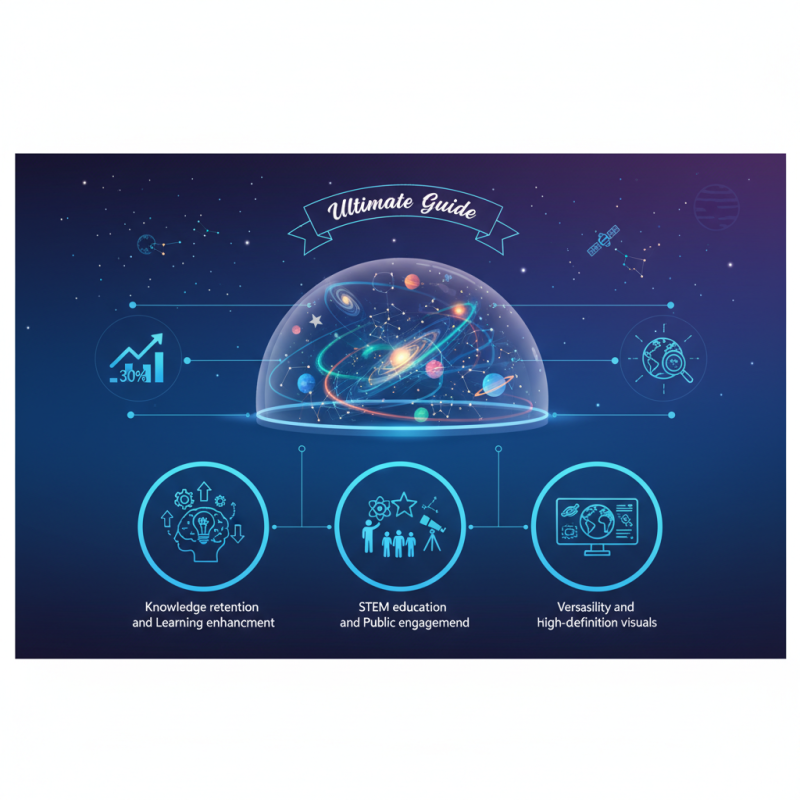
Digital Dome Planetariums offer a plethora of benefits, such as the ability to present content in high-definition visuals that captivate and educate audiences in a dynamic and interactive way. A study conducted by the American Association of Variable Star Observers illustrated that students exposed to digital dome presentations demonstrated a 30% improvement in knowledge retention compared to traditional teaching methods. This striking statistic highlights the effectiveness of digital planetarium technology in promoting deeper understanding and appreciation of astronomical concepts.
Furthermore, the versatility of Digital Dome Planetariums extends beyond educational institutions, serving to facilitate community engagement and lifelong learning opportunities. As evidenced by a report from the National Science Foundation, public planetarium programs have been shown to increase interest in STEM fields, inspiring the next generation of scientists and engineers. This guide aims to explore the numerous benefits and features of Digital Dome Planetariums, underscoring their critical role in shaping the future of science education and public engagement.
Overview of Digital Dome Planetariums
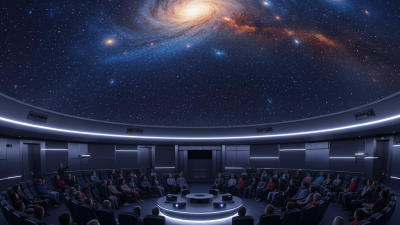
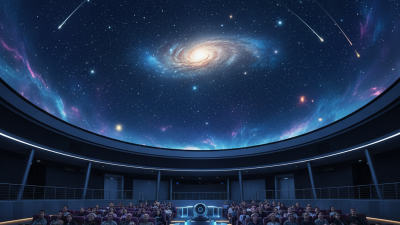
Digital dome planetariums represent a significant advancement in the field of immersive learning and entertainment, providing a unique platform for education and visualization of astronomical phenomena. Unlike traditional planetariums, digital dome systems utilize high-definition video projections across a spherical surface, allowing for a 360-degree viewing experience. According to a recent industry report by the International Planetarium Society, the installation of digital planetariums has increased by over 50% in the last decade, highlighting their growing popularity in educational institutions and public venues.
These high-tech domes not only enhance the visual experience but also offer enriched interactive content, enabling users to engage with the material in innovative ways. They integrate multimedia presentations that can seamlessly blend scientific data with artistic interpretations, thus making complex astronomical concepts more accessible. Additionally, studies indicate that immersive environments can improve retention rates among learners by as much as 30%, making digital dome planetariums an effective tool for schools and museums. The combination of captivating visual storytelling and educational rigor makes these planetariums a powerful resource for fostering a deeper understanding of the universe.
Ultimate Guide to Digital Dome Planetarium Benefits and Features
| Feature |
Description |
Benefit |
| Immersive Experience |
360-degree projection that envelops viewers. |
Creates a deeper engagement with the content. |
| High-Resolution Images |
Projects stunning visuals with high pixel density. |
Enhances clarity and detail in presentations. |
| Interactive Content |
Enables user interaction with the displayed material. |
Increases learning retention and engagement. |
| Versatile Applications |
Suitable for education, entertainment, and simulation. |
Broadens the scope of use and audience reach. |
| Customizable Content |
Allows creation of tailor-made experiences. |
Addresses specific educational or entertainment needs. |
Key Benefits of Using Digital Dome Technology
Digital dome technology has revolutionized the way we experience immersive learning and entertainment. One of the primary benefits is its ability to create a 360-degree visual environment that captivates audiences. This panoramic view transforms the typical learning experience into an interactive journey through space, science, and history. By engaging multiple senses, digital dome planetariums foster a deeper understanding of complex subjects, making education not only informative but also enjoyable.
Another significant advantage of digital dome technology is its versatility. These installations can be used for various purposes, from educational programs and public outreach to artistic performances and planetarium shows. The flexibility to adjust content for different age groups and interests ensures that diverse audiences can benefit from the experience. Additionally, with advancements in projection and sound technology, digital dome systems provide high-quality visuals and immersive audio, enhancing the emotional impact of presentations while encouraging critical thinking and exploration.
Essential Features of Digital Dome Planetariums
Digital dome planetariums offer a revolutionary way to experience astronomy education and immersive entertainment. One of the most essential features of these modern systems is their high-resolution projection capability. According to recent industry reports, leading digital dome projectors can achieve resolutions exceeding 8K, allowing for stunning clarity and detail that enhances the viewer's experience. This capability supports educational programs that require intricate visuals, such as celestial mapping or simulations of cosmic events, which can boost retention and engagement among students and visitors.
Another significant feature is the interactivity offered by digital dome planetariums. Many systems are equipped with advanced software that allows users to manipulate the visuals in real-time, providing a hands-on learning experience. A study by the International Planetarium Society highlights that interactive presentations can increase knowledge retention rates by up to 30% compared to traditional lecture methods. This interactivity not only enriches educational programs but also appeals to audiences seeking engaging experiences, making planetariums more inclusive and versatile in their offerings.
Moreover, the immersive audio systems found in digital dome planetariums enhance the overall experience. High-fidelity sound technology synchronizes with visual presentations, creating an enveloping environment that captivates audiences. Reports indicate that well-designed auditory experiences can significantly impact emotional engagement, which is vital for educational contexts. This multi-sensory approach not only makes learning about the universe more accessible but also aligns with contemporary educational methodologies that emphasize experiential learning.
Applications in Education and Outreach Programs
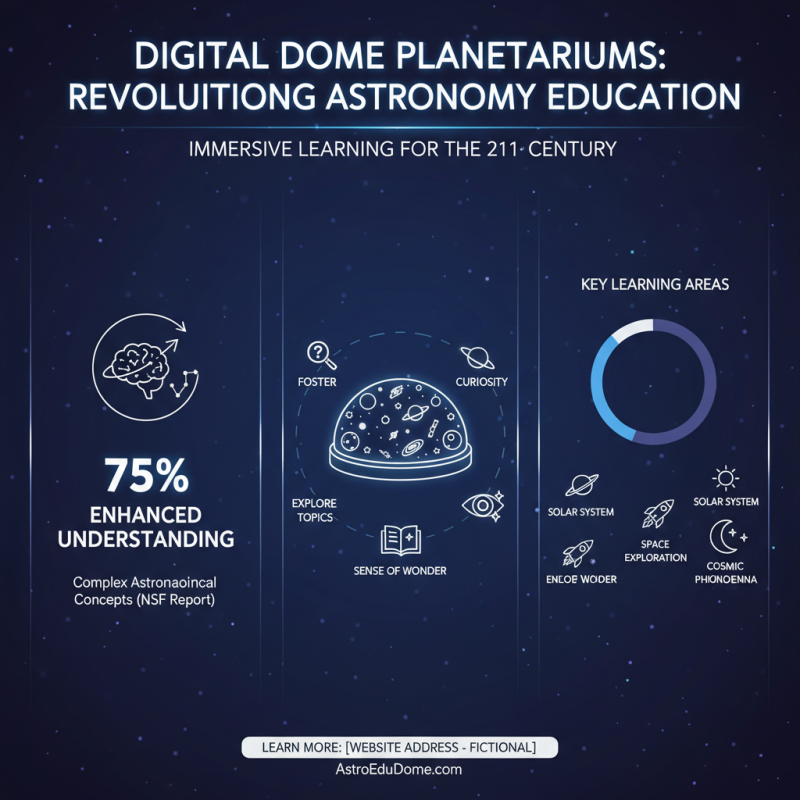
Digital dome planetariums have become increasingly essential in educational settings, revolutionizing how learners engage with astronomical content. According to a report by the National Science Foundation, 75% of students reported enhanced understanding of complex astronomical concepts after participating in dome-based learning experiences. These immersive environments foster a sense of wonder and curiosity, encouraging students to explore topics such as the solar system, space exploration, and astronomical phenomena in a manner that traditional classrooms cannot match.
In outreach programs, digital dome planetariums serve as dynamic tools for community engagement. A study published by the International Planetarium Society indicates that such programs can increase public interest in science by up to 50% in communities with limited access to educational resources. By providing a visually stunning and interactive platform, these planetariums help demystify science and make it more accessible, particularly for underserved populations. As a result, educators and outreach coordinators have found that digital domes not only enhance educational outcomes but also inspire a lifelong interest in STEM fields among participants.
Future Trends in Digital Dome Planetarium Development
The future of digital dome planetariums is poised for exciting advancements as technology continues to evolve. One of the key trends is the integration of artificial intelligence and interactive elements, which will allow visitors to engage with the content in a more meaningful way. Imagine a scenario where audiences can customize their learning experience, selecting specific topics or even participating in live simulations of astronomical events. This level of interactivity not only enhances educational outcomes but also creates a more immersive experience that fosters curiosity and exploration.
Another prominent trend in digital dome planetarium development is the adoption of higher resolution displays and advanced projection technologies. As these systems advance, they will offer sharper images, deeper colors, and a more lifelike representation of celestial phenomena. Such improvements will enable planetariums to showcase complex cosmic events—in real-time—allowing viewers to observe and analyze dynamic systems such as supernovae or the formation of galaxies. Additionally, the evolution of 360-degree audio technology will complement the visual enhancements, creating an all-encompassing sensory experience that captivates audiences and enriches their understanding of the universe.
Digital Dome Planetarium Benefits and Features
This bar chart illustrates the various benefits of digital dome planetariums, showcasing features such as immersive experience, educational outreach, public engagement, content variety, and technological advancements. Each feature is rated on a scale from 1 to 10, highlighting their relative importance and value in modern planetarium development.