What is Dome Projection and How Does it Work?
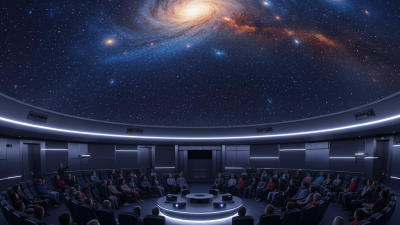
Dome Projection is an innovative technology transforming the way we experience visual content. According to Dr. Emily Carter, a leading expert in immersive environments, "Dome Projection blends art and science to create a unique viewing experience." This method allows images and videos to envelop audiences, creating an immersive atmosphere that traditional screens cannot match.
Imagine walking into a dome filled with vibrant colors and dynamic visuals. Dome Projection engages the viewer's senses, drawing them into a narrative. It is not just about the visuals; it's the emotional connection it fosters. However, many institutions struggle with the technical aspects. The equipment is costly, and the learning curve can be steep.
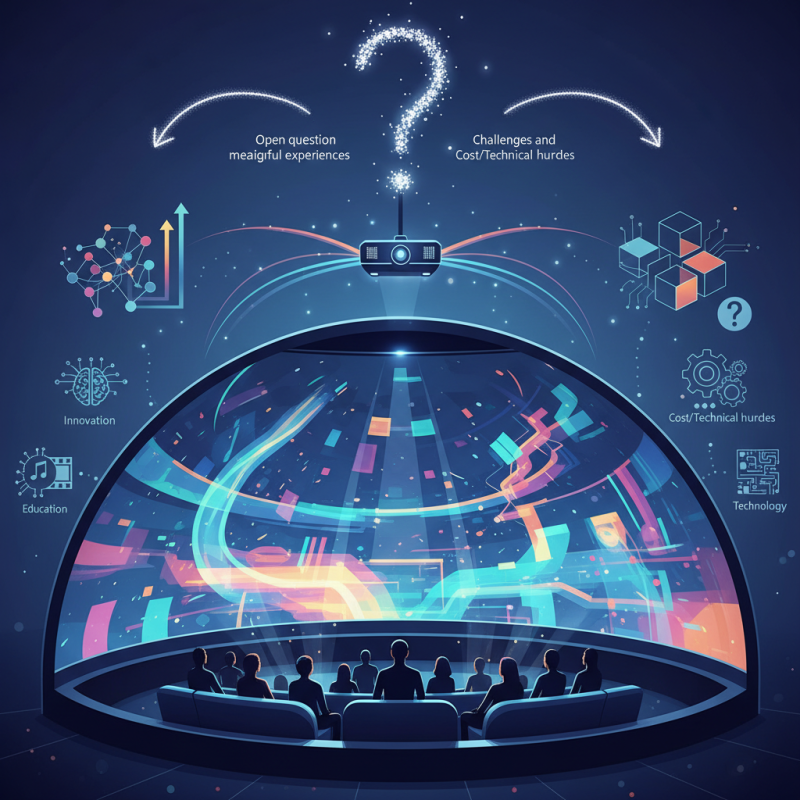
Despite these challenges, the potential of Dome Projection is undeniable. It serves various fields, from education to entertainment. Yet, it's crucial to reflect on how this technology can be effectively utilized. How can we ensure that Dome Projection technologies are accessible and create meaningful experiences for all? This question remains open as the industry evolves.
What is Dome Projection?
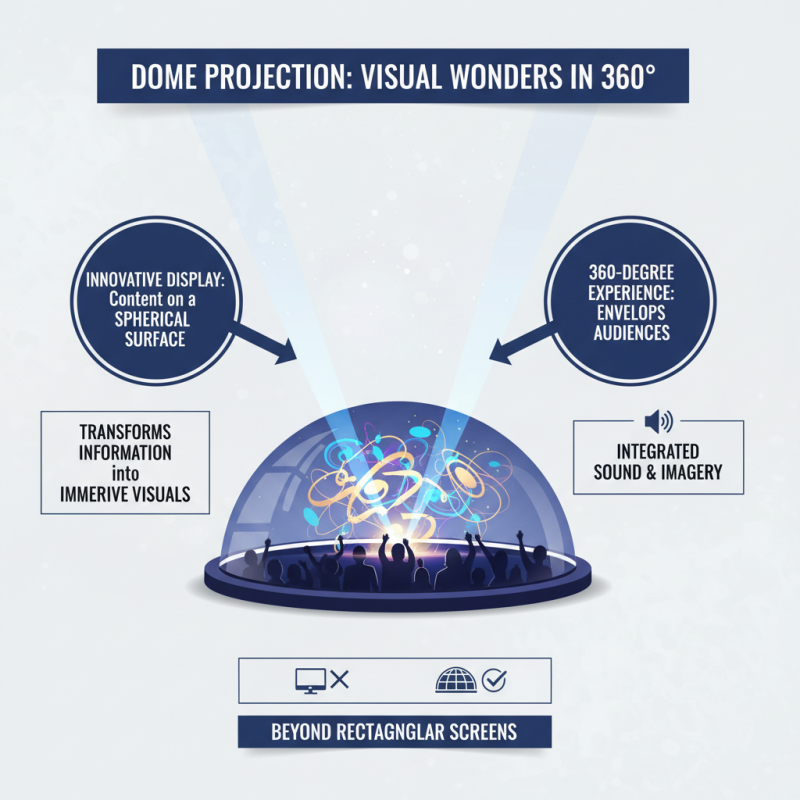
Dome projection is an innovative way of displaying content on a spherical surface. This immersive technique transforms information into visual wonders. Instead of the standard rectangular screens, dome projection creates a 360-degree experience. Audiences feel enveloped by vibrant images and sounds.
According to recent industry reports, the demand for immersive technologies like dome projection is increasing by 25% annually. Many institutions, such as planetariums and museums, have adopted this technology to enhance education. They create captivating experiences that engage viewers in new ways. However, the initial costs can be significant. Some venues struggle to justify these investments.
While dome projection can lead to exciting experiences, not all implementations are successful. Poor content quality or weak storytelling can lead to disengagement. Additionally, technical challenges can arise. The need for specialized hardware and software can complicate projects. As this technology continues to evolve, the balance between innovation and accessibility remains a focal point.
The Technology Behind Dome Projection Systems
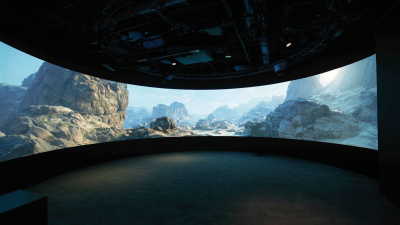
Dome projection technology has transformed the way we experience visuals. This immersive technology uses curved surfaces to create a unique viewing environment. By employing projectors that synchronize images across a dome, it produces stunning visuals that captivate audiences.
A report from the Projection Mapping Association indicates that dome projection systems have gained popularity in various sectors, including education and entertainment. The global market for dome projection is projected to grow significantly, with an annual growth rate of around 16%. This reflects a rising demand for more engaging experiences and interactive content.
The technology involves several specialized components. High-resolution projectors are essential, but so is the software that manages the image alignment. Accuracy is crucial, yet sometimes it can fall short if the calibration process is not handled meticulously. This is a common challenge in the industry. Moreover, dome projection requires a well-thought-out design to achieve the desired effect, which can lead to complications if not done right. Such aspects highlight the balance between innovation and the practical difficulties that come with using this cutting-edge technology.
What is Dome Projection and How Does it Work? - The Technology Behind Dome Projection Systems
| Dimension |
Description |
Impact on Projection |
| Projection Technology |
Dome projection uses specialized projectors designed to create a seamless visual experience on curved surfaces. |
Enhances viewer immersion through 360-degree visuals. |
| Image Mapping |
Utilizes software to adjust images for curvature, maintaining clarity and fluidity. |
Allows for accurate visual representation despite complex geometry. |
| Audio Integration |
Incorporates spatial audio systems to enhance the immersive experience. |
Synchronizes sound with visuals for a more captivating experience. |
| Applications |
Used in planetariums, museums, and immersive exhibitions. |
Broadens educational and entertainment possibilities. |
| Accessibility |
Can be designed for various audience sizes and after dark viewing. |
Provides flexible options for different environments and audiences. |
How Dome Projectors Work: Key Components Explained
Dome projection offers a unique visual experience. It immerses viewers in a curved, 360-degree environment. The technology serves various purposes, like education, entertainment, and art.
Key components drive dome projectors. At the heart is a powerful projector. This can display clear images on a hemispherical surface. The software processes the visual content. It allows for dynamic presentations. A special lens helps to focus the images. Adjustments enhance clarity at various angles.
Sound systems are critical too. They fill the dome with immersive audio. Effective calibration ensures every seat offers quality sound. However, setting up these systems can be challenging. Sometimes, the projectors need frequent maintenance for optimal performance. Balancing image quality with budget considerations is a common struggle. Even small hiccups can disrupt the experience, reminding us that technology is not perfect.
Applications of Dome Projection in Various Fields
Dome projection is increasingly finding applications across various fields. In theaters, for example, this technology enhances storytelling by providing immersive experiences. According to a recent report by the International Theatrical Projection Society, dome projections can increase audience engagement by up to 40%. This surge creates a unique atmosphere that plain screens cannot replicate.
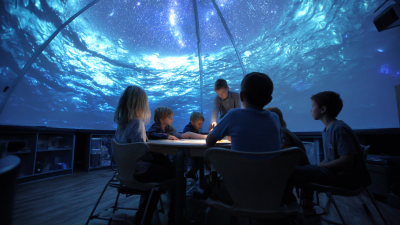
In the education sector, dome projection is revolutionizing how information is conveyed. Many educational institutions utilize this technology for planetarium shows. The American Institute of Physics indicates that interactive dome experiences can improve retention rates among students by 70%. However, the accessibility of these systems varies. Not every school can afford the required hardware and software.
Additionally, dome projections are making waves in the corporate environment. Companies are using them for presentations and product launches. Data from the Corporate Visuals Association shows that businesses implementing dome projection have reported a 50% increase in client interest. Yet, there remains a reluctance to fully embrace this technology, often due to costs and technical expertise. The potential is there, but many companies hesitate to invest.
Advantages and Limitations of Dome Projection Technology
Dome projection technology offers a unique immersive experience. It surrounds viewers with visuals, creating a 360-degree environment. This can be particularly useful in museums, planetariums, and educational settings. According to a report by the International Society of Digital Earth, 70% of institutions have adopted dome projection for its impactful storytelling.
One major advantage is its ability to engage audiences fully. Research shows that students retain 40% more information when exposed to immersive formats compared to traditional methods. However, challenges remain. The equipment can be expensive, and setup requires specialized knowledge. Moreover, quality is inconsistent across different systems. Some projections may suffer from distortions, disrupting the experience.
Dome projection faces limitations in scalability. While small venues thrive, larger setups can become unwieldy. Content creation is another hurdle. Developing high-quality immersive content often demands significant resources. Many institutions may find it challenging to keep up with technological advancements.
Dome Projection Technology: Advantages and Limitations