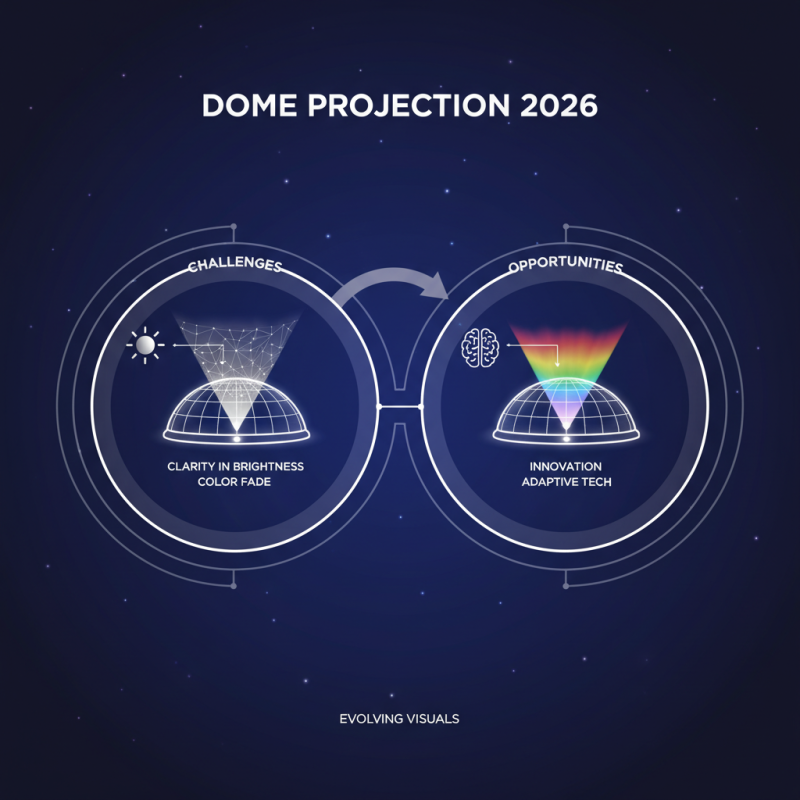
Dome Projection Technology and Its Applications in 2026?
Dome Projection technology has captivated audiences in various settings. This immersive visual experience engages viewers by enveloping them in a 360-degree display. In 2026, its applications are expected to expand further, enhancing entertainment, education, and scientific outreach.
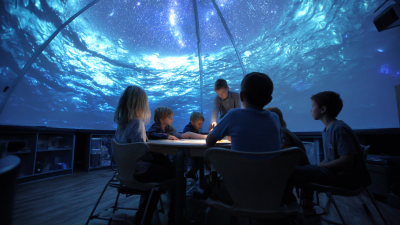
Imagine walking into a planetarium or an art gallery. The seamless visuals surround you, showcasing stunning landscapes or intricate designs. Schools have begun using Dome Projection for vivid lessons in science and history. This technology brings concepts to life, making learning engaging. Yet, there are challenges to consider. Not all venues can accommodate this high-tech setup due to cost or space limitations.
The future of Dome Projection seems bright, but reflection is needed. Can we make this technology accessible to more communities? What about the environmental impact of such advancements? Addressing these questions is crucial as we move forward. The aim is to blend technology with sustainable practices. As we envision the advancements of Dome Projection, we must balance innovation with responsibility.
Dome Projection Technology: An Overview of 2026 Developments
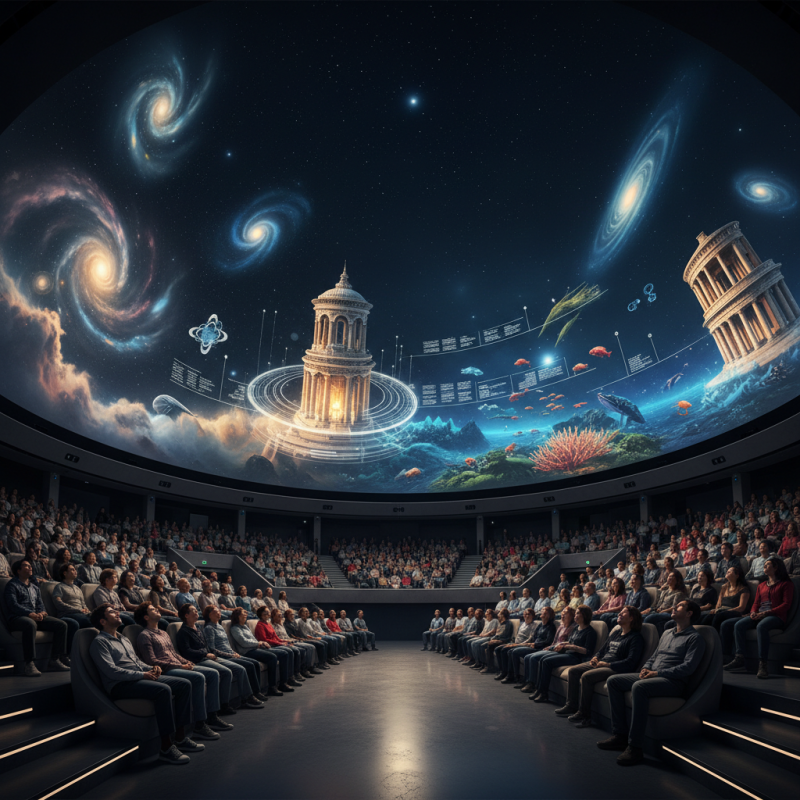
Dome projection technology has evolved significantly in 2026. This immersive technology creates captivating visual experiences. It is used in various fields, from entertainment to education. Imagine walking into a dome and being enveloped in stunning visuals. Such an experience can transport audiences to different worlds, enhancing storytelling and learning.
One exciting application is in museums. Dome projections can bring historical events to life. They engage visitors in a unique way. However, these advancements come with challenges. The setup can be costly. Also, creating high-quality content requires skilled professionals. Many institutions may struggle with these aspects.
In the entertainment industry, dome projections are becoming more common. Concerts and festivals use them to enhance performances. Audiences crave visually stimulating experiences. Yet, the technology can feel overwhelming at times. Not everyone enjoys such vivid displays. Balancing technology with human emotions remains an important discussion. As we explore dome projection technology, we must consider its impact on our experiences and well-being.
Key Innovations in Dome Projection Systems for Immersive Experiences
Dome projection technology is evolving rapidly. In 2026, expect significant innovations enhancing immersive experiences. These improvements focus on resolution, brightness, and user interaction. Enhanced resolution provides clearer images. This shift creates more lifelike visuals in entertainment and education.
The integration of virtual reality elements will redefine viewer engagement. Projects can now respond to audience movements. Adaptive content can transform based on viewer reactions, making experiences more personal. However, some challenges remain, such as creating seamless transitions across dome surfaces.
Creative content is vital for these technologies to shine. Artists and designers must think outside the box. Relying solely on advanced tech can limit true creativity. Balancing technology and artistic vision is essential for optimal experiences. Future developments must prioritize both user enjoyment and technical innovation.
Dome Projection Technology Adoption Rates (2020-2026)
This bar chart illustrates the projected adoption rates of dome projection technology from 2020 to 2026. It highlights the increasing trend towards immersive experiences in various industries, showing a steady growth in adoption as technology and awareness improve.
Applications of Dome Projection in Education and Training in 2026
Dome projection technology is set to transform
education and training in 2026. This immersive technology creates
a 360-degree view, enhancing engagement.
Recent studies suggest that immersive learning can increase knowledge retention rates by up to 75%.
This is significant for students who often struggle with traditional methods.
In training environments, dome projection can simulate real-life scenarios.
For example, medical trainees can practice in realistic settings without the associated risks.
A 2023 report estimates that immersive training can reduce error rates
by 30% in high-stakes fields.
However, the technology comes with challenges. Not all institutions have the budget for advanced dome systems.
Some educators also express concern about the potential for over-reliance on tech.
Additionally, accessibility issues arise.
Not every student may benefit equally from dome experiences. For those with disabilities, traditional teaching
methods can still be more effective. Technology must complement, not replace, established teaching practices.
Balancing innovation with traditional methods is crucial.
The future of education should not ignore diverse learning needs.
Entertainment Sector Transformation: Dome Projection in Movies and Events
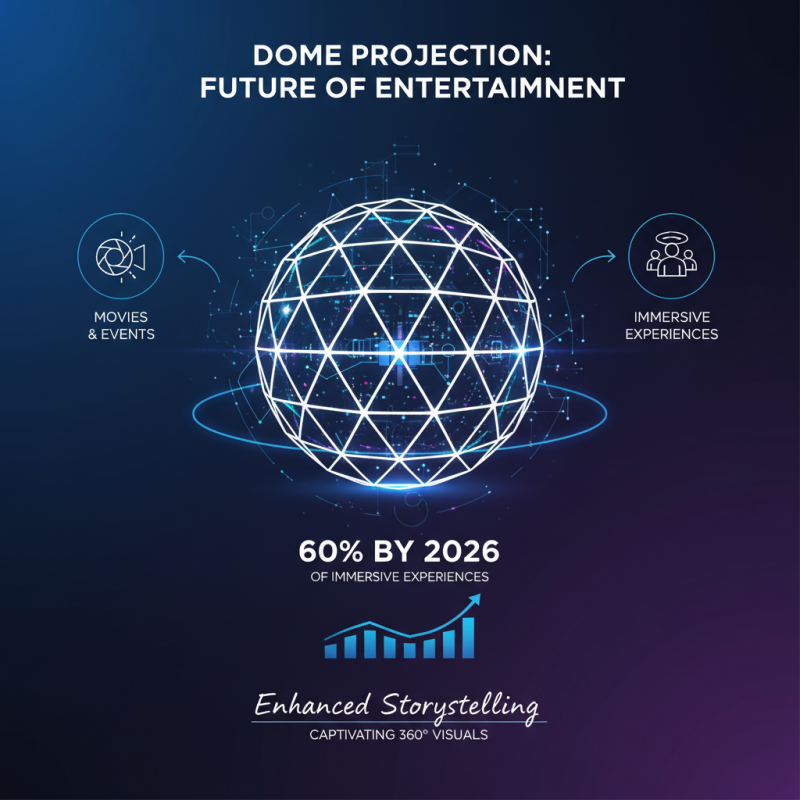
Dome projection technology is transforming the entertainment sector, especially in movies and events. In 2026, it is projected that over 60% of immersive experiences will utilize dome projections. This technology enhances storytelling by fully engulfing the audience in visuals. The dynamic 360-degree environments captivate viewers, making them feel part of the narrative.
At festivals and concerts, dome projection's rising popularity is undeniable. An industry report indicates that event attendance has increased by 30% when dome projections are featured. These immersive setups create unique atmospheres that standard screens can't match. However, some venues lack the technical infrastructure for optimal dome projections. This can lead to subpar experiences that fail to engage audiences fully.
Tips: To make the most of dome projections, focus on quality content. Engaging narratives paired with stunning visuals are essential. Also, ensure venues are equipped adequately. Limited budgets may lead to compromises, resulting in a lack of audience engagement. Failing to invest in quality control could diminish the overall impact of the experience.