10 Essential Tips for Setting Up Your Digital Dome Planetarium Successfully
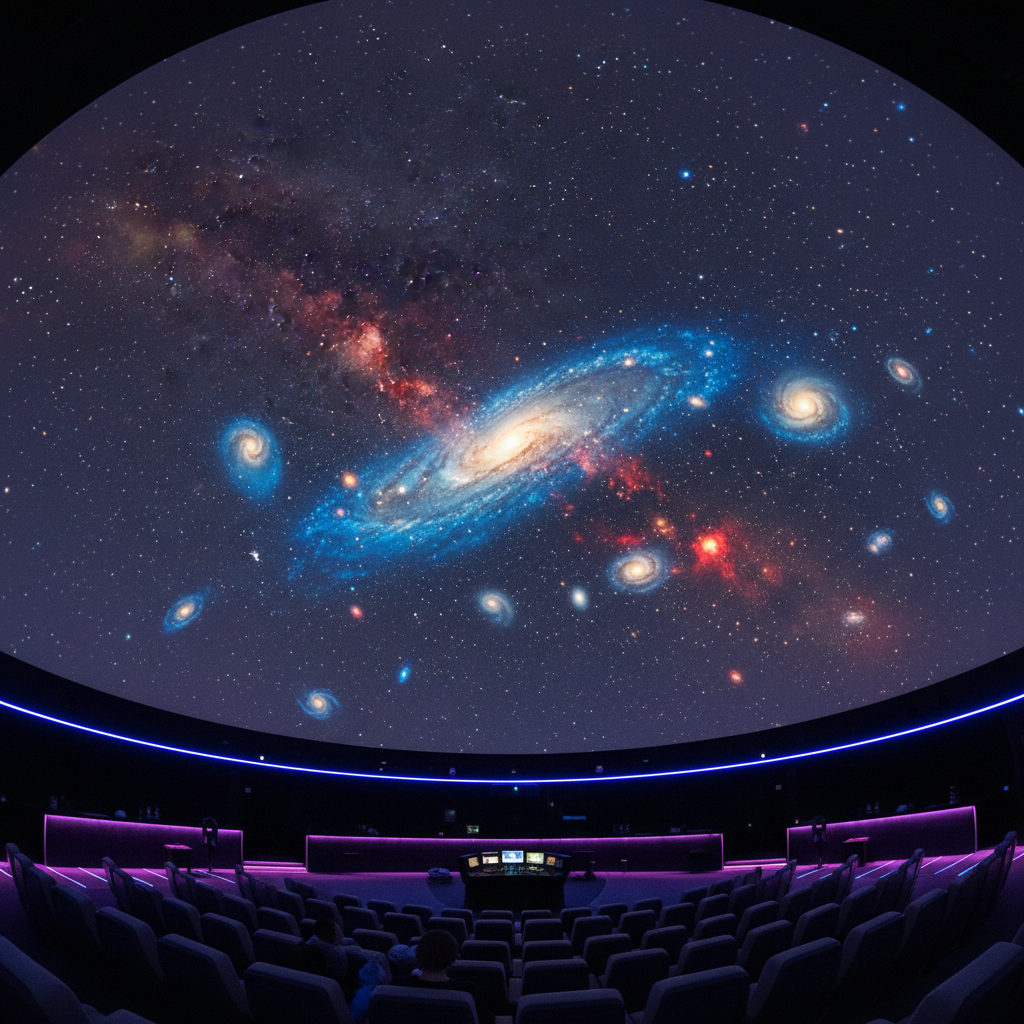
Setting up a Digital Dome Planetarium is an intricate process that requires careful planning and execution. As Dr. Emily Carter, a renowned expert in the field of planetarium technology, asserts, "The success of a digital dome lies not just in the technology used, but in how it is integrated into the educational experience." This insight highlights the multifaceted nature of creating a functional and engaging Digital Dome Planetarium, emphasizing that effective setup goes beyond mere hardware selection.
In today's educational landscape, a Digital Dome Planetarium serves as a powerful tool for immersive learning experiences. As educators and institutions recognize the potential of this technology, the need for a clear and practical guide becomes paramount. In this article, we present "10 Essential Tips for Setting Up Your Digital Dome Planetarium Successfully," offering invaluable advice to ensure that your planetarium not only meets technical requirements but also enhances audience engagement and educational impact. Through these tips, we aim to streamline the setup process, enabling educators to focus on what truly matters: inspiring curiosity and fostering a love for learning about our universe.
Understanding Your Audience: Tailoring Content for Engagement in a Digital Dome
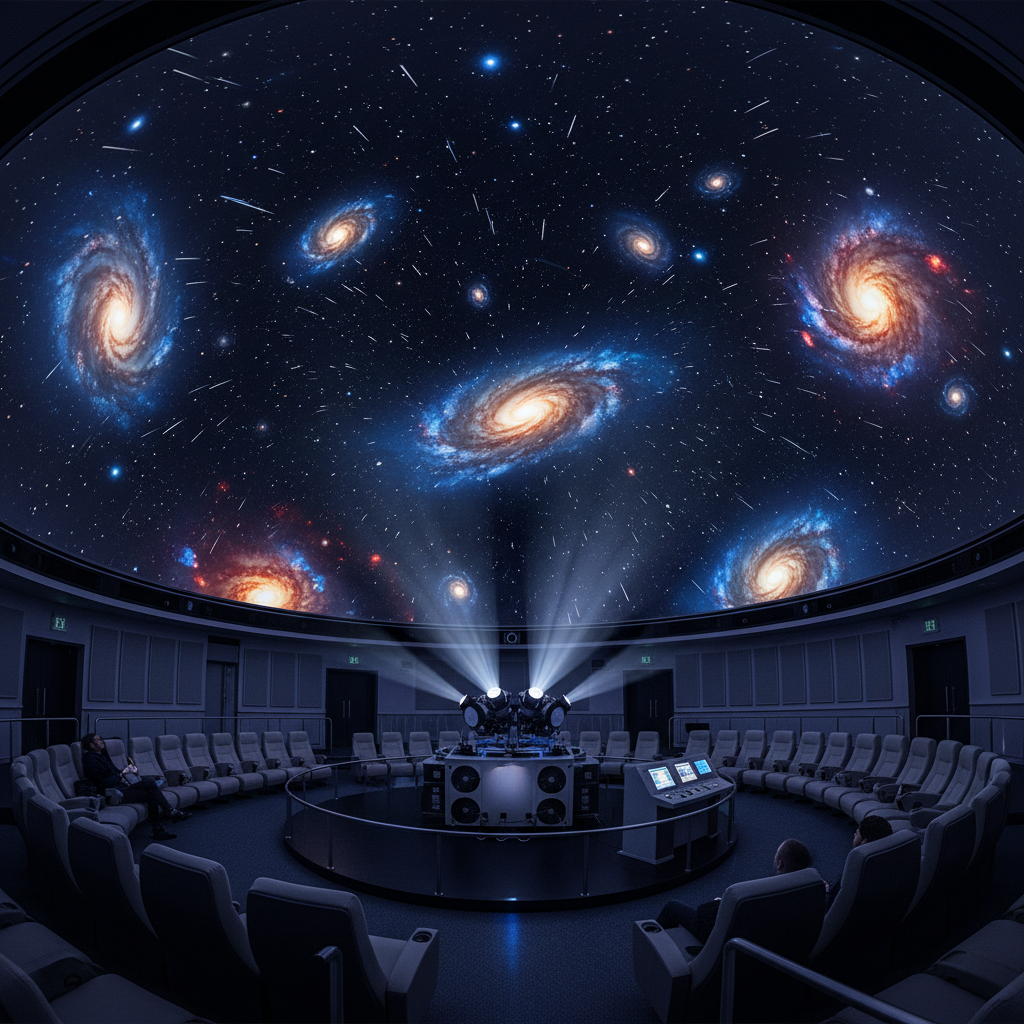
Understanding your audience is crucial when creating engaging content for a digital dome planetarium. Tailoring your presentation to the unique interests, demographics, and learning preferences of your visitors can significantly enhance their experience. Start by conducting surveys or gathering feedback to identify what captivates your audience. This data will guide you in selecting topics that resonate well, ensuring that your shows are not only informative but also entertaining.
Furthermore, interactive elements can elevate audience engagement in your digital dome. Incorporating live Q&A sessions or interactive polls during shows encourages participation, allowing visitors to feel more connected to the content. Additionally, consider varying your content style—combining captivating visuals with immersive storytelling to keep the audience's attention. By continually adapting your offerings based on audience insights, you can foster a loyal following and create memorable experiences that inspire curiosity and learning in the realm of astronomy and beyond.
10 Essential Tips for Setting Up Your Digital Dome Planetarium Successfully
| Tip Number |
Tip |
Target Audience |
Engagement Strategy |
| 1 |
Identify Audience Needs |
Students |
Conduct surveys to gauge interests. |
| 2 |
Use Interactive Content |
Families |
Include quizzes and games during shows. |
| 3 |
Customizable Shows |
Educators |
Allow for segment choices based on curriculum. |
| 4 |
Leverage Visuals |
General Public |
Utilize high-quality visuals and immersive experiences. |
| 5 |
Incorporate Storytelling |
Young Children |
Engage with narrative-driven content. |
| 6 |
Feedback Mechanism |
Teachers |
Use post-show questionnaires for feedback. |
| 7 |
Diverse Content |
Community Groups |
Offer varied themes and topics. |
| 8 |
Utilize Technology |
Tech Enthusiasts |
Incorporate AR/VR experiences. |
| 9 |
Schedule Convenient Times |
Working Parents |
Offer weekend and evening shows. |
| 10 |
Promote Your Programs |
Local Residents |
Use social media and community boards. |
Choosing the Right Equipment: Essential Tools for Your Planetarium Setup
Choosing the right equipment is crucial for setting up a digital dome planetarium that not only captivates its audience but also operates seamlessly. According to a report by the International Planetarium Society, the demand for immersive educational experiences has surged by over 35% in recent years, highlighting the importance of choosing advanced projection systems. High-resolution projectors, such as the ones from manufacturers like Barco and Epson, can produce stunning visuals that enhance the learning experience by engaging viewers deeply in simulated celestial environments.
When selecting essential tools for your planetarium setup, consider incorporating a robust audio system. Research indicates that nearly 75% of audience engagement comes from an integrated audio-visual experience. High-quality speakers and sound systems designed for use in large spaces are vital to ensure clarity and impact. Moreover, utilizing software like Digistar or OpenSpace can help you create dynamic shows that keep audiences coming back for more. Remember, a well-rounded setup integrates projection, sound, and software to form an awe-inspiring educational tool.
Lastly, don't overlook the importance of maintenance equipment. Regular upkeep ensures your digital planetarium runs smoothly and effectively. Investing in tools for routine checks—like cleaning kits for lenses and maintenance software—can prolong the lifespan of your equipment, reducing long-term costs and keeping your planetarium at peak performance. A proactive approach to equipment care can significantly enhance the overall visitor experience and educational quality offered at your facility.
Creating Compelling Visuals: Enhancing Experience with Quality Projections
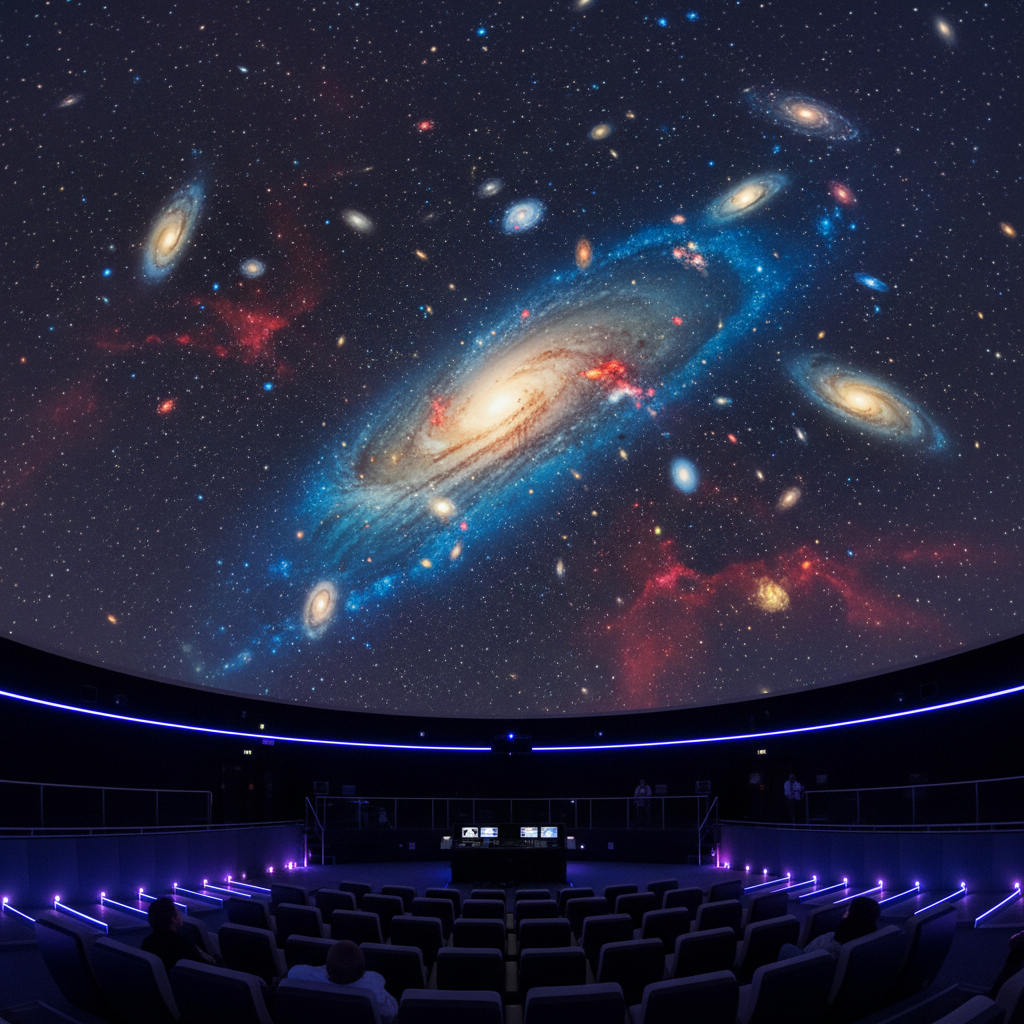
Creating visually stunning projections is crucial for enhancing the overall experience in your digital dome planetarium. A recent report by the International Planetarium Society indicates that quality visuals can increase audience engagement by up to 50%. The immersive nature of dome projections allows viewers to be fully enveloped in stunning imagery, transforming their understanding of space and science. Utilizing high-resolution projectors with a minimum brightness of 6000 lumens can significantly impact the clarity and vibrancy of visuals, ensuring participants remain captivated throughout their journey.
Additionally, incorporating advanced multimedia techniques such as 3D animation and interactive elements can elevate the experience even further. According to a study published in the Journal of Educational Technology & Society, interactive visualizations can improve comprehension rates by 70% compared to traditional static displays. Harnessing tools like virtual reality can also foster a deeper emotional connection to the content presented, turning educational topics into engaging narratives that resonate with audiences of all ages. By prioritizing high-quality projections and innovative multimedia strategies, your digital dome planetarium can create unforgettable experiences that educate and inspire.
Mastering Sound Design: Incorporating Audio for an Immersive Environment
Creating an immersive experience in a digital dome planetarium goes beyond stunning visuals; a vital component of this atmosphere is sound design. According to a survey conducted by the International Planetarium Society, over 80% of planetarium directors reported that effective soundscapes significantly enhance audience engagement and comprehension. Integrating high-quality audio elements can transport viewers into cosmic realms, making the astronomical phenomena feel more immediate and tangible.
To achieve this, it's essential to consider both the technical and creative aspects of sound design. Research from the Audio Engineering Society highlights that immersive audio experiences, particularly using surround sound formats, can increase retention of information by up to 40% compared to traditional presentations. By utilizing sound layering techniques and spatial audio, planetarium operators can create an enveloping sonic environment that complements the visual spectacle, guiding the audience's focus and emotional journey through the cosmos.
Mastering Sound Design: Audio Integration in Digital Dome Planetariums
This chart illustrates the importance of various audio elements in creating an immersive experience in a digital dome planetarium. The data represents the perceived effectiveness of sound elements in enhancing the environment.
Promoting Your Planetarium: Effective Strategies for Increasing Visitor Attendance
When promoting your digital dome planetarium, effective marketing strategies are crucial for increasing visitor attendance. Start by leveraging social media platforms to reach a wider audience. Create engaging content that showcases your planetarium's unique features and upcoming events, such as themed shows or special guest speakers. Use visually appealing images and short video clips that highlight the immersive experience visitors can expect. Encourage followers to share posts and create a buzz through interactive contests or giveaways related to astronomy.
In addition to digital marketing, consider forming partnerships with local schools, community organizations, and astronomy clubs. Offer special discounts for group visits or educational programs tailored for students. Hosting workshops or events that cater to these groups can also enhance community engagement and ensure word-of-mouth promotion. Lastly, keep track of visitor feedback and suggestions to continuously improve your offerings and maintain a loyal audience. By adopting these strategies, your planetarium can effectively attract more visitors and foster a vibrant community of astronomy enthusiasts.