In 2026, choosing a Wide Angle Lens is not simply about getting the widest view. It means balancing perspective, handling, and image quality with the work you actually do. A 14mm lens can make a narrow room feel expansive, but it may stretch faces near the frame edges. A 24mm option can look calmer, yet leave too little room for dramatic landscapes or tight interiors. Small differences matter.
This guide compares lenses by camera mount and sensor size, focal length, maximum aperture, autofocus, stabilization, and practical weight. It also considers distortion, corner sharpness, flare, filter support, and weather sealing. Specifications alone rarely predict a satisfying shoot. Check sample images at the apertures you use, and confirm that reviews test the same camera format you own. For travel, a lighter lens may be worth a modest loss in brightness. For night scenes, a fast aperture may matter more than a few millimeters of extra width. There is no universal winner. Even careful testing has limits: useful edge stretch for one photographer may be distracting to another. Treat recommendations as a shortlist, then judge framing and handling with your own camera before buying.
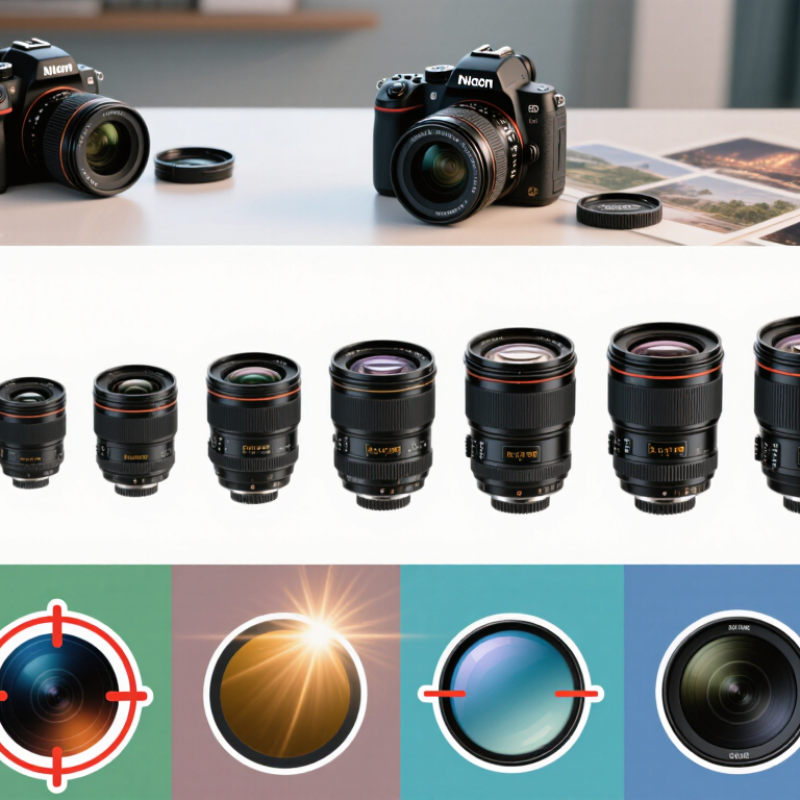
A wide-angle lens captures a broader view than a standard lens from the same position. On a full-frame camera, lenses below about 35mm are commonly called wide-angle. The exact feel depends on sensor size, so check the equivalent focal length for your camera. A 24mm lens can fit a small room, a sweeping coastline, or a crowded street into one frame. Useful, but not magic. Step too close to a face and its features may look stretched. This effect comes mainly from perspective, not simply from the lens itself.
Wide angles suit landscapes, architecture, interiors, and environmental portraits where the setting matters. They can also make nearby objects feel prominent against a distant background. Keep the camera level when photographing buildings; tilting it upward can make walls appear to lean. Even then, framing may take practice. I find it easy to include too much empty foreground, especially in a hurry. Look at the frame edges before pressing the shutter.
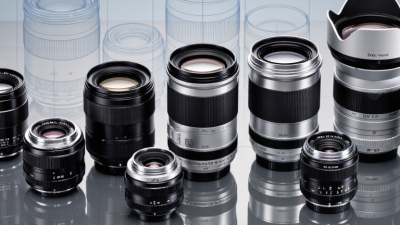
Choose field of view before chasing the widest focal length. On a full-frame camera, a rectilinear 14 mm lens captures roughly 104 degrees horizontally; 20 mm gives about 84 degrees, and 24 mm about 74 degrees. These figures help translate a specification into a scene: 14 mm can fit a cramped room, while 24 mm often feels more controlled for streets and environmental portraits. Wider is not always better.
Sensor size changes the view. A 16 mm lens on a 1.5x crop sensor frames roughly like a 24 mm lens on full frame. Check the camera’s crop factor, then test from your usual shooting position. In a small café, a wider lens may include the table and window, but faces near the frame edges can look stretched. That effect is easy to overlook.
CIPA’s 2024 camera-shipment report recorded about 8.49 million digital cameras shipped worldwide. That industry figure describes the market, not the best focal length for you. Your own distances matter more. Try framing the same doorway at 16 mm, 20 mm, and 24 mm, keeping your feet in place. Notice what enters the edges. I still find this test imperfect: real scenes rarely wait while you swap lenses.
Compare focal length with horizontal field of view on a full-frame camera to find the perspective that suits your needs.
How to read this chart: Shorter focal lengths capture a wider scene, making them useful for expansive landscapes and tight interiors. Longer focal lengths show a narrower view that can feel more natural for travel and everyday photography. Field-of-view values are calculated from a 36 mm-wide full-frame sensor using a rectilinear lens approximation; sensor crop and lens distortion can change the actual view.
Sensor size changes how wide a lens appears. A 24 mm lens on a full-frame camera gives a wider view than the same lens on a smaller APS-C sensor. With a crop factor near 1.5, that view is roughly equivalent to 36 mm on full frame. Micro Four Thirds, with a crop factor near 2, makes it closer to 48 mm. The focal length itself does not change. The framing does.
Check the lens’s image circle, too. A lens made for a smaller sensor may show dark corners on a full-frame body. It is easy to overfocus on focal length. The mount matters just as much. The camera and lens must share a compatible mount, or use an adapter that supports the needed functions. Autofocus, aperture control, and stabilization may not all work through every adapter. CIPA’s 2024 shipment report recorded about 6.1 million interchangeable-lens cameras worldwide, underscoring how widely these systems are used.
Before buying, confirm the exact camera model, sensor format, and mount specification. Then check sample images for corner softness and distortion. A 14 mm lens can still feel cramped indoors if its view is cropped. Conversely, an ultra-wide lens may exaggerate faces near the frame edge. This is not always neat. Small differences between sensor formats and mount versions can change the practical result. CIPA, 2024 Digital Camera Shipment Report.
How to Choose the Best Wide Angle Lens in 2026? Which Optical Features Matter for Image Quality?
Sharpness across the frame matters more than a striking center crop. Check independent MTF or resolution tests at several apertures and focal lengths; corners often soften sooner than the center. Imatest’s technical guidance gives the diffraction Airy-disc diameter as 2.44 × wavelength × f-number. At green light near 550 nm, that is about 10.7 μm at f/8. This is a useful physical limit, not a promise of equal sharpness across every image. Also inspect distortion, vignetting, chromatic aberration, and flare. A bright window near the frame edge can reveal flare quickly.
Tips: Compare raw test images, not only corrected samples. Software can straighten barrel distortion, but the crop may trim corners. Check edge detail at your intended aperture.
For landscapes, architecture, and interiors, test the exact focal length you use most. Look for straight doorframes, clean corner detail, and even brightness in a plain wall. A lens can measure well yet feel wrong in the field; I’d treat charts as evidence, not a verdict. Lens-testing reports from Imatest and independent optical labs are useful, but sample variation and camera settings still matter. A little imperfection is normal. Notice what bothers you.
When comparing wide-angle lenses, set a total budget, not just a lens price. Include compatible filters and a protective hood if you do not already own them. A low-cost lens may need a larger filter or extra correction software. Check whether its image circle suits your camera’s sensor; otherwise, corners may darken or crop unexpectedly. Small details add up.
Compare lenses at focal lengths you actually use, such as 16 mm for a tight room or 24 mm for travel scenes. Wider is not automatically better: faces near the edge can stretch, and straight walls may bow. Review sample images from the same camera format, especially the corners at your usual aperture. An f/2.8 lens can help indoors, but may cost more and weigh extra. For daylight landscapes, a slower, lighter lens could be the wiser buy.
Before paying, compare warranty terms, return windows, and filter costs. If possible, rent or borrow the lens and photograph a doorway, a brick wall, and a night street. Check focus, flare, corner sharpness, and how much correction the files need. I still find specifications easy to overvalue; an awkward filter setup can matter more than a tiny sharpness gain. Test it yourself.