What is a Hybrid Planetarium and How Does it Work?
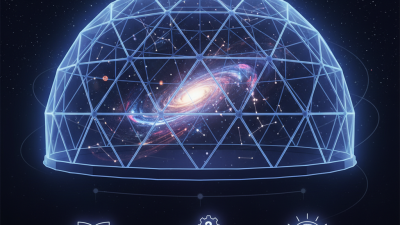
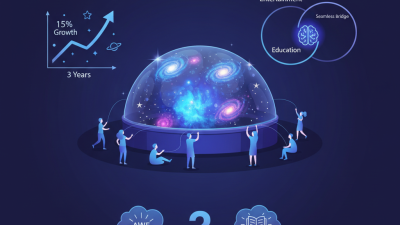
The emergence of the Hybrid Planetarium marks a significant advancement in the fields of education and entertainment. This innovative space combines traditional planetarium elements with cutting-edge digital technology. As a result, it provides a multifaceted experience for visitors, blending immersive visuals with interactive learning.
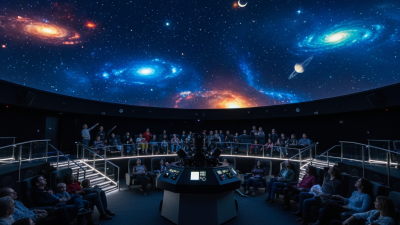
Hybrid Planetariums utilize both optical and digital systems to create stunning, realistic representations of the cosmos. Audiences can expect to see breathtaking star fields, detailed planetary textures, and dynamic animations that bring space to life. This blend of technology stimulates curiosity, encouraging viewers to explore the universe with a newfound enthusiasm.
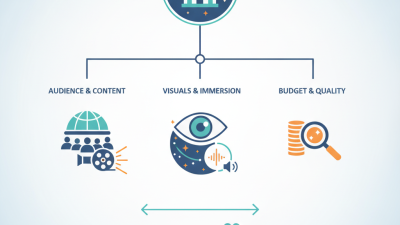
While the potential is immense, challenges remain. The integration of various systems requires expertise. Additionally, balancing budget constraints with high-quality experiences can be difficult. As more institutions adopt this technology, understanding its merits and limitations becomes crucial. The Hybrid Planetarium stands as a testament to human ingenuity, yet it demands ongoing reflection and adaptation within the ever-evolving landscape of science communication.
What Defines a Hybrid Planetarium System?
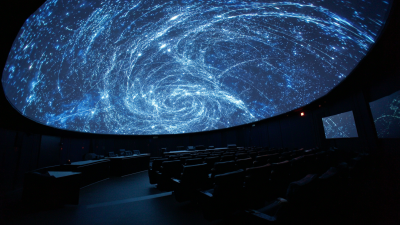
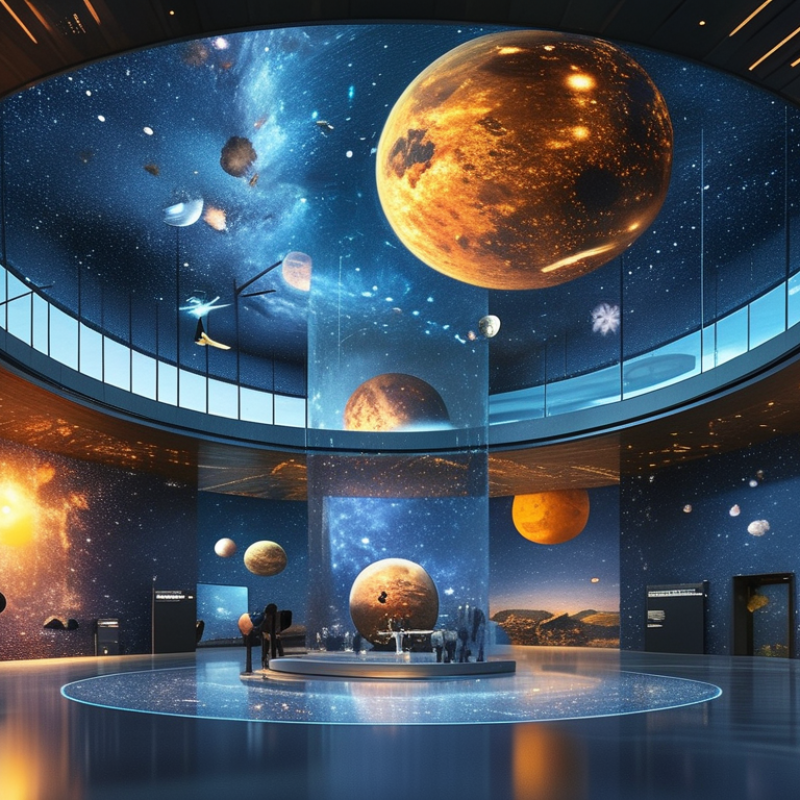
A hybrid planetarium system uniquely combines digital and optical technologies. This innovation provides audiences with an immersive experience. At its core, the hybrid system utilizes a dome projection to display stunning visuals. This method allows for real-time data visualization and cosmic simulations.
What sets a hybrid planetarium apart? The blend of traditional projection methods with advanced digital capabilities creates a versatile platform. Hybrid systems can showcase live presentations alongside pre-recorded content. Users benefit from high-resolution images and interactive capabilities. This flexibility makes learning engaging and fun.
To enhance the experience, consider these strategies. Focus on narrative storytelling to captivate the audience. Balance technical details with engaging visuals. Aim for a seamless integration of various media forms. Reflect on what works best for your audience's needs. The effectiveness of a hybrid planetarium lies in how well it captivates and educates.
What is a Hybrid Planetarium and How Does it Work?
| Feature |
Description |
| Definition |
A hybrid planetarium system combines both digital and optical technologies to create immersive astronomical experiences. |
| Components |
It typically includes projectors for traditional dome displays, digital screens for high-resolution images, and software for interactive experiences. |
| Technology |
Utilizes advanced projection systems, including 360-degree video and immersive audio technology. |
| Applications |
Used for educational purposes in schools, public planetariums, and for entertainment in museums. |
| User Experience |
Offers a more engaging and interactive experience compared to traditional planetariums, allowing for user interaction and real-time exploration. |
| Future Trends |
With advances in technology, hybrid planetariums are expected to incorporate Virtual Reality (VR) and Augmented Reality (AR) for even more immersive experiences. |
Key Technologies Used in Hybrid Planetariums
Hybrid planetariums combine traditional projection systems with digital technology. This integration creates immersive experiences that captivate audiences. A report from the International Planetarium Society notes that over 40% of new planetariums worldwide are hybrids. This shift reflects a growing demand for more dynamic educational content.
Key technologies in hybrid planetariums include advanced dome projections and interactive displays. Digital projectors offer higher resolutions, allowing for stunning visuals. Studies show that when visuals are clearer, retention rates increase significantly. Moreover, interactive elements engage users, fostering deeper learning. Innovations like real-time data integration showcase cosmic events, making learning more relevant.
Despite these advantages, challenges exist. Maintaining equipment can be costly, and not all institutions have the resources. Reports indicate that less than 30% of older planetariums have upgraded to hybrid systems. This reluctance to adopt new technologies could hinder educational outreach. Balancing costs with advancements remains a critical consideration for many organizations.
Comparing Traditional and Hybrid Planetariums
Traditional planetariums have long been a staple in astronomy education. They utilize physical projectors to display celestial images on a dome. This approach has limitations regarding flexibility and interactivity. An AAS (American Astronomical Society) report highlights that traditional systems can only present a limited range of visuals and require significant setup time. Users often feel disconnected from the experience, relying on narration rather than engagement.
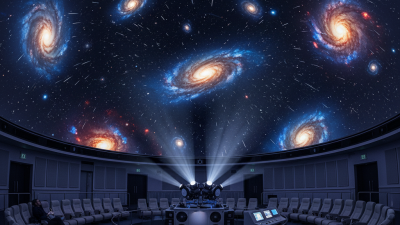
Hybrid planetariums combine traditional projectors with digital screens. This fusion enhances the quality of the visuals while allowing for interactive experiences. According to a recent survey by the International Planetarium Society, over 70% of educational facilities have adopted some hybrid technology. This shift leads to more immersive experiences. Visitors can explore astronomical phenomena, engage with simulations, and even participate in live demonstrations. Hybrid systems cater to various learning styles, making astronomy accessible to a broader audience.
While hybrid models offer advantages, they also present challenges. Maintaining cutting-edge technology requires continuous investment and technical expertise. Some educators feel overwhelmed by the rapid changes in technology, as research from the Planetarium and Astronomy Educators Group shows that many institutions struggle to keep up. Striking a balance between traditional teaching methods and new technology is essential for a successful hybrid environment.
Applications and Benefits of Hybrid Planetariums
Hybrid planetariums blend digital technology with traditional projection techniques. This innovative approach allows for immersive experiences, making learning engaging. Users can explore the cosmos in stunning detail. These spaces can provide realistic simulations of astronomical events. Visitors often feel a deeper connection to the universe.
Educational institutions benefit immensely from hybrid planetariums. They create an interactive learning environment. Students can watch dynamic presentations alongside recorded content. This dual capability enhances the curriculum. Schools and museums can host events, attracting diverse audiences. Outreach programs can integrate live demonstrations and workshops, making science accessible.
Community awareness improves through these venues. They can showcase local astrological events, fostering interest in science. By offering public programs, hybrid planetariums can address misconceptions about space. However, the challenge remains in balancing technology with personal interaction. Some users may miss genuine conversation in the pursuit of high-tech visuals. This tension invites ongoing reflection on improving visitor experiences.
Future Trends in Hybrid Planetarium Development
Hybrid planetariums are at the forefront of innovative educational technology. These venues combine traditional projection systems with digital simulations. This blend allows for a more immersive experience. Visitors can explore the night sky, view celestial events, and learn about the universe in new ways. Different techniques enhance presentations, making them both informative and entertaining.
As hybrid planetariums evolve, we can expect several trends. Incorporating augmented reality will likely change how audiences interact with displays. Real-time data integration could offer live updates on celestial events. Accessibility will improve, engaging wider audiences across different age groups. While these advancements are promising, challenges remain. Ensuring that content is accurate and reliable is crucial. Balancing technology with traditional education methods can sometimes lead to conflicts.
Users may feel overwhelmed by the high-tech aspects. It's essential to find ways to simplify complex concepts. Making technology user-friendly can address this issue. Overall, hybrid planetarians must continually adapt to meet audience needs while maintaining a focus on educational value. There’s much to explore in this blend of art and science.