What is a Planet Observatory and How Does it Work?
The concept of a Planet Observatory holds immense fascination in the field of astronomy. Dr. Emily Carter, a noted expert in planetary science, once remarked, "Planet Observatories are the gateways to understanding our cosmic neighborhood." This statement highlights the essential role these facilities play in our exploration of celestial bodies.
A Planet Observatory focuses on studying planets, moons, and other celestial phenomena. They use advanced telescopes and instruments to gather data about planetary atmospheres, surface conditions, and potential for life. Observatories often collaborate with institutions worldwide. This teamwork allows for a deeper understanding of the universe.
However, many people may not fully grasp the complexities involved in operating a Planet Observatory. Technical issues, funding constraints, and data interpretation challenges can hinder progress. Despite these obstacles, the quest for knowledge continues. Each discovery can inspire awe but also raises questions about our place in the universe.
What is a Planet Observatory?
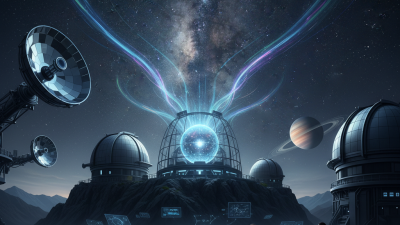
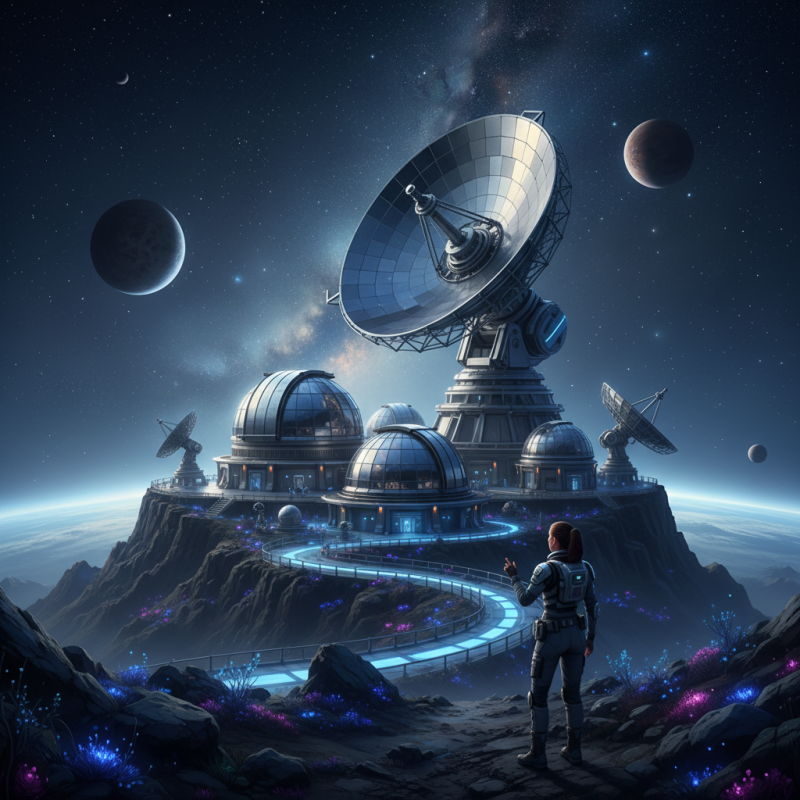
A Planet Observatory is a specialized facility designed for monitoring and studying planetary bodies, including planets in our solar system and beyond. These observatories utilize advanced telescopes and instruments to collect data on planetary atmospheres, surfaces, and potential for life. Scientists aim to understand not only the composition of these celestial bodies but also their movement and behavior within the cosmos.
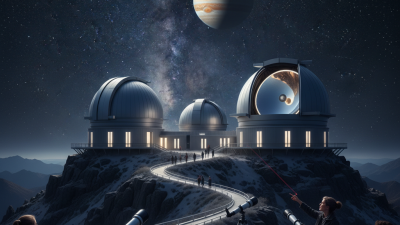
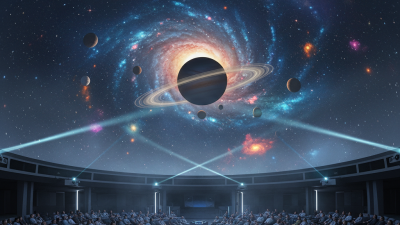
When visiting a Planet Observatory, engaging with knowledgeable staff can enhance the experience. They often provide insights not found in books. Ask questions about their research and explore interactive exhibits. This interaction can deepen your understanding of how planets form and evolve.
It's important to note that observations can sometimes yield unexpected results. Research is an ongoing process, with new findings leading to revised theories. Take time to reflect on the information presented. Scientific knowledge is constantly changing, and it’s essential to remain open-minded. Enjoy the learning journey, even when conclusions shift unexpectedly.
History and Evolution of Planet Observatories
Planet observatories have evolved significantly since their inception. Early astronomical efforts relied on simple telescopes, primarily for stargazing. In the 17th century, Galileo's innovations marked a critical turning point. This laid the groundwork for modern observatories, shifting from merely observing celestial bodies to studying their intricate behaviors and characteristics.
By the late 20th century, the rise of powerful technologies significantly advanced the capabilities of these observatories. A report from the American Astronomical Society highlighted that over 60% of global astronomical research now relies on advanced observational technologies. Instruments like adaptive optics and multi-wavelength surveys have transformed our understanding of planetary systems.
However, challenges persist. Instances of light pollution and funding constraints hinder many observatories from reaching their full potential. Many researchers argue that despite increasing technological advancements, access to quality observatory time is unequal. This disparity raises questions about inclusivity in space research. The evolution of planet observatories is a fascinating narrative of human curiosity and ingenuity, yet it also reflects gaps that need addressing in the astronomical community.
Planet Observatory Data Usage Over the Years
This chart illustrates the growth in data usage by planet observatories from 2015 to 2023, highlighting the increasing importance of satellite data for scientific research and environmental monitoring.
Key Components and Instruments of Planet Observatories
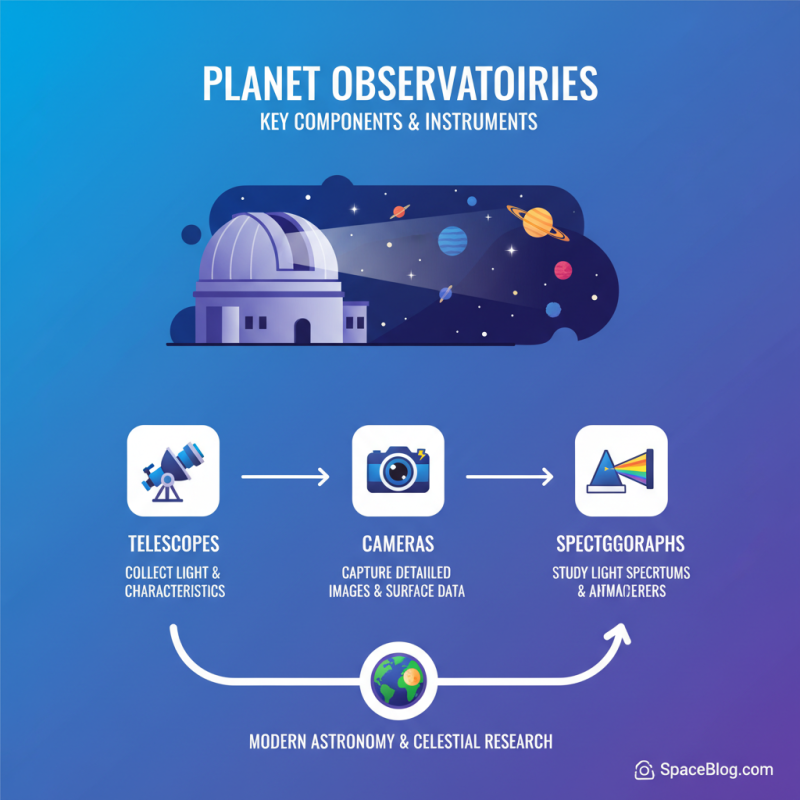
Planet observatories play a vital role in modern astronomy. They are equipped with high-tech instruments designed to study celestial bodies. The primary components include telescopes, cameras, and spectrographs. Telescopes collect light from distant planets, allowing scientists to analyze their characteristics. Cameras capture detailed images, revealing planetary surfaces and atmospheres.
Spectrographs are crucial for understanding the composition of planets. They disperse light into various wavelengths. This process helps identify chemical elements and compounds. Each instrument serves a specific purpose, merging data to create a comprehensive picture. Observatories may also include weather stations for optimal imaging conditions.
Despite their advanced technology, challenges remain. Observatories often face light pollution and weather disruptions. These factors can affect data quality. Continuous improvement is essential to overcome these hurdles. As technology evolves, so will our understanding of the universe. Researchers must adapt their methods and instruments accordingly. This dynamic field constantly requires reflection and innovative solutions.
How Planet Observatories Monitor Celestial Bodies
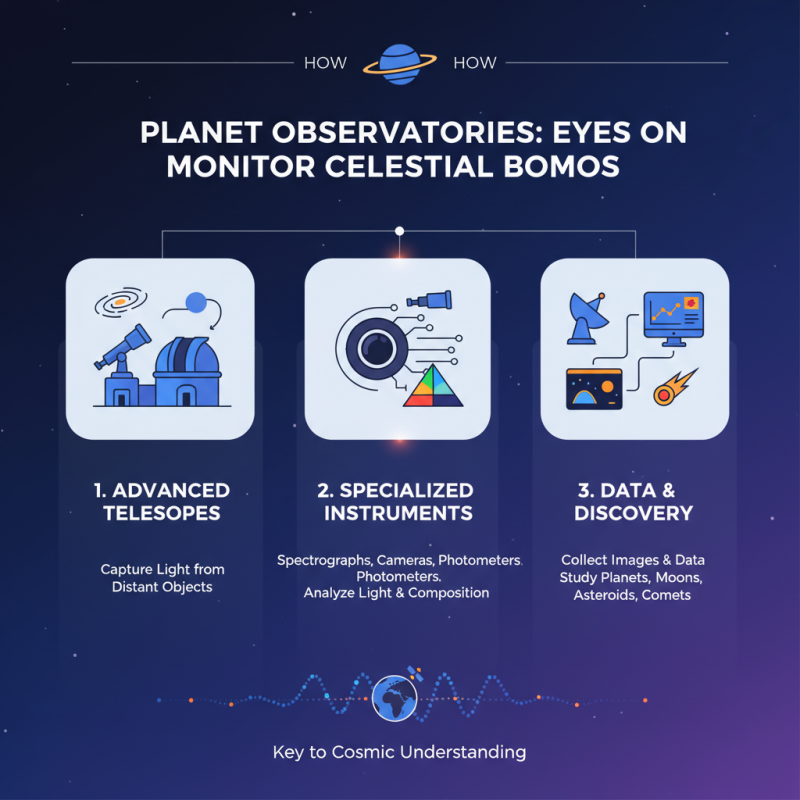
Planet observatories play a crucial role in studying celestial bodies. They employ advanced technologies to monitor and gather data about planets, moons, asteroids, and comets. These observatories use telescopes equipped with specialized instruments. This allows astronomers to capture images and analyze the composition of distant objects.
Monitoring celestial bodies involves tracking their movements and understanding their characteristics. Observatories frequently measure light variations from these objects. This data helps in identifying changes over time. For example, researchers may spot a new moon around a planet or detect the presence of water on a surface. Each discovery can provide insights into the history of our solar system.
Yet, challenges exist in gathering accurate data. Atmospheric conditions can hinder observations. Light pollution also impacts the clarity of the images. Sometimes, the predicted paths of celestial bodies change unexpectedly. This uncertainty calls for continuous observation and adjustments. Each data point is valuable yet imperfect, reflecting the complexity of the universe. Scientists must remain adaptable in their methods and interpretations.
The Role of Data Analysis in Planetary Observations
Planetary observations rely heavily on data analysis to interpret vast amounts of information collected from space. Telescopes and satellites gather images and spectra of celestial bodies. However, the raw data often appears chaotic and overwhelming. It requires careful processing to reveal meaningful insights. Data analysis transforms this clutter into clear patterns, allowing scientists to understand planetary atmospheres, surface compositions, and potential habitability.
In planetary science, techniques like machine learning are becoming crucial. These methods can identify trends and anomalies unseen by the naked eye. For example, researchers can detect signs of water or atmospheric changes on distant planets. Yet, these technologies aren't flawless. Misinterpretations can lead to nonsensical conclusions. It is essential for scientists to validate their findings through repeated analysis and peer reviews.
Collaboration across disciplines enhances data analysis in planetary observations. Astronomers work alongside computer scientists and statisticians. This teamwork fosters innovative solutions to complex problems. Challenges remain, such as data quality and integration. Continuous improvement is vital in this rapidly evolving field. Keeping pace with advancements ensures accurate and reliable planetary studies.