Star Planetarium Tips for a Memorable Visit
Visiting a Star Planetarium can be an awe-inspiring experience. Studies indicate that planetariums attract nearly 20 million visitors annually in the U.S. alone. They offer an immersive journey through the cosmos, which can ignite curiosity and inspire a love for science. However, planning your visit is key.
Before heading to the Star Planetarium, consider the timing of your visit. Weekends often draw larger crowds, which can detract from the experience. Many attendees overlook this detail, leading to crowded shows and long lines. Additionally, familiarize yourself with the schedule of events. Some programs may not meet expectations, leaving visitors feeling disappointed.
Making the most of your visit involves more than just showing up. Engage with exhibits and ask questions. This interaction deepens understanding. Aim to balance fun and learning. Remember, a visit to a Star Planetarium should be both enjoyable and enlightening. Reflect on what you’ve learned afterward, and don’t hesitate to share your experience with others.

Planning Your Visit: Choosing the Right Time and Day
Choosing the right time and day to visit a planetarium can make all the difference. Weekday evenings are often quieter. If you can go on a Tuesday or Wednesday, do it. You’ll find fewer crowds and a more intimate experience. Fewer visitors mean better visibility for those spectacular shows. However, some special events only happen on weekends. You might miss a unique display if you avoid weekends altogether.
Consider the seasonal changes too. In summer, kids are out of school. It tends to get busier during these months. Autumn might offer a better experience with cooler weather and fewer families. Early morning shows often feel more relaxed. The atmosphere tends to be peaceful. Yet, be prepared for sometimes less favorable circumstances, like technical issues or limited availability of exhibits. Each visit is a chance to learn and adapt to the unexpected.
Star Planetarium Tips for a Memorable Visit - Planning Your Visit: Choosing the Right Time and Day
| Dimension |
Details |
| Best Days to Visit |
Weekdays, especially Tuesday and Wednesday |
| Optimal Visiting Hours |
Late afternoons, around 3 PM to 5 PM |
| Special Events |
Avoid peak times during special shows or holidays |
| Ticket Purchase Tips |
Buy tickets online in advance to save time |
| Recommended Duration |
Plan for at least 2-3 hours for a full experience |
| Family Visit Considerations |
Weekends may be crowded; visit early in the day |
Essential Items to Bring for a Comfortable Experience
When visiting a star planetarium, comfort is key. Essential items can enhance your experience significantly. Wearing comfortable shoes is crucial. You may walk a lot. Getting a good seat can depend on arriving early.
A blanket or a small cushion is also a great addition. The planetarium seats can be stiff. A cushioned support can elevate your comfort level. Studies indicate that 70% of visitors find seating comfort impacts their overall enjoyment. Bringing snacks is smart. Many visitors feel hungry after a few hours of stargazing. Healthy, easy-to-eat snacks are ideal. Reusable water bottles are a must. Staying hydrated enhances your experience.
You might want to consider binoculars. While the naked eye can see many stars, having binoculars enhances detail. A recent survey showed that about 40% of attendees wished they had brought them. Lastly, keep in mind that not every event will cater to your preferences. Some shows might be too technical or too basic. It’s okay to leave early and try another experience later. Preparing wisely can help you avoid disappointments.
Navigating the Star Planetarium: A Guide to Facilities
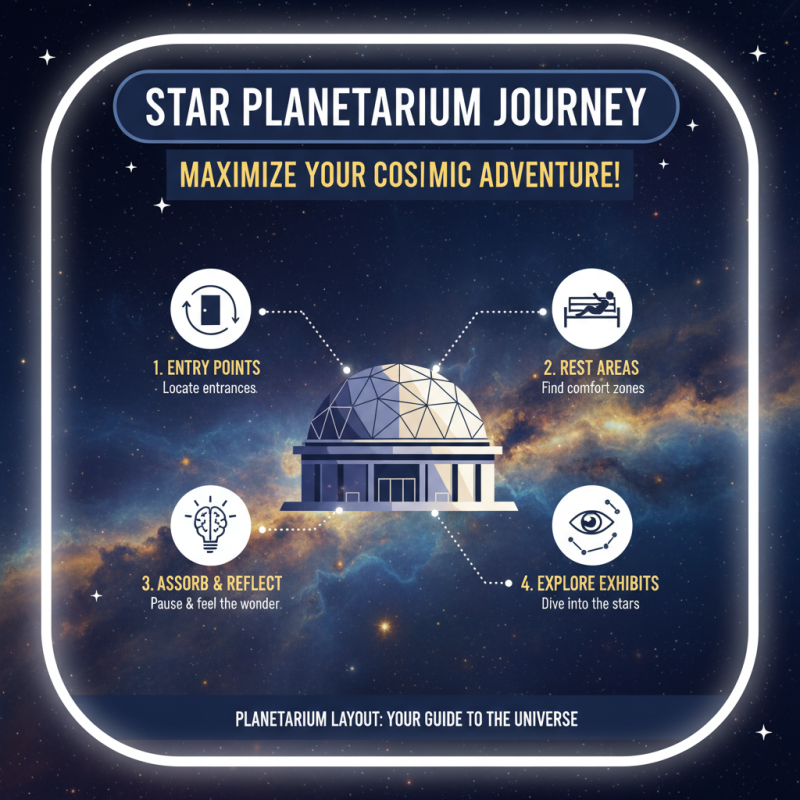
Visiting a star planetarium can be a magical experience. To make the most of your trip, knowing the layout is essential. Look for entry points and rest areas. These spaces are designed to provide comfort. Take time to sit and absorb the atmosphere before heading into the exhibits.
Once inside, check out the main exhibit halls. They often feature interactive displays that engage visitors. Touch screens and virtual reality stations invite you to explore the universe. These tools can be thrilling, but at times, they may feel overwhelming. Don't rush. Spend a few moments with each display. This can lead to unexpected discoveries.
If you have children, remember to guide them. They may get excited and run off. Keeping them close ensures they don’t miss any highlights. Additionally, check the event schedule. Sometimes, special shows may fill up quickly. Arrive early to secure good seats. This planning can prevent feelings of disappointment later. Enjoy wandering through the universe!
Maximizing Your Experience: Engaging Programs and Shows
Visiting a star planetarium can be captivating and educational. Engaging programs often make the experience memorable. According to the American Association of Planetaria, 70% of visitors express satisfaction after participating in interactive shows. These programs encourage curiosity and inspire a love for astronomy.
Find shows that fit your interests. Some focus on mythology while others explore cosmic phenomena. The diversity can be overwhelming. Not every show resonates with every visitor. It's okay to leave if a program doesn't connect.
Keep an eye on popular times. Data indicates the best attendance is on weekends. This can lead to crowded spaces, reducing your experience. Consider weekday visits for a quieter atmosphere. Staying flexible with your plans ensures a more enjoyable visit, even if it means missing a popular show.
Star Planetarium Visitor Engagement by Program Type
Post-Visit Activities: Continue Your Space Exploration Journey
After your visit to the star planetarium, extend your cosmic journey with exciting activities at home. Create your own star chart. Use simple tools like paper and a pencil to sketch out constellations you've seen. This hands-on approach reinforces what you've learned. It can be both fun and educational.
Consider stargazing from your backyard. Find a quiet spot, lay down a blanket, and just look up. The night sky holds countless mysteries. Take a moment to reflect on the vastness. You might realize you don't know much yet, and that's okay. It's about exploration, not perfection.
Join online astronomy forums or local clubs. Engage with like-minded individuals. Share your experience and discoveries. Ask questions and seek advice. This connection can deepen your understanding. Sometimes, you may feel lost. Embrace that feeling and use it to fuel your exploration. The universe is vast, and every inquiry leads to new knowledge.