Creating a unique Planetarium Dome experience can be incredibly rewarding. You can transport your audience to distant galaxies and starry nights. A well-designed dome brings the cosmos to life in vivid detail.
Consider the balance of visuals and sound. Each element plays a vital role in immersing viewers. A captivating story can enhance the beauty of the night sky. However, it's easy to overlook minor elements that could improve viewer engagement.
Experiment with lighting and projection techniques. Too much brightness can distract from the intended ambiance. Reflect on the emotional impact of your design choices. Take the time to gather feedback and refine your ideas. A successful Planetarium Dome experience is a work in progress, meant to evolve and inspire.
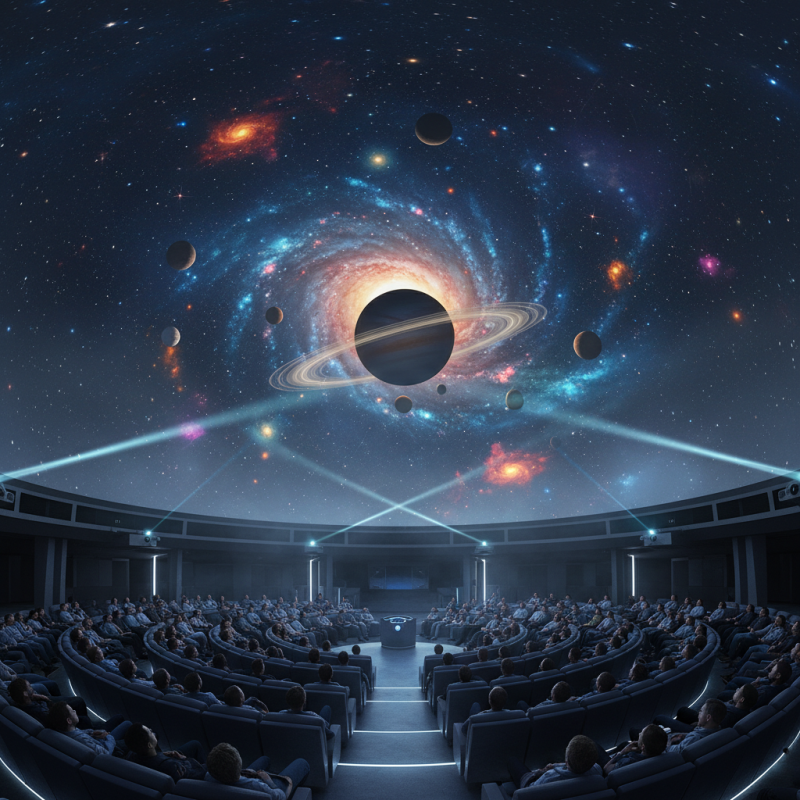
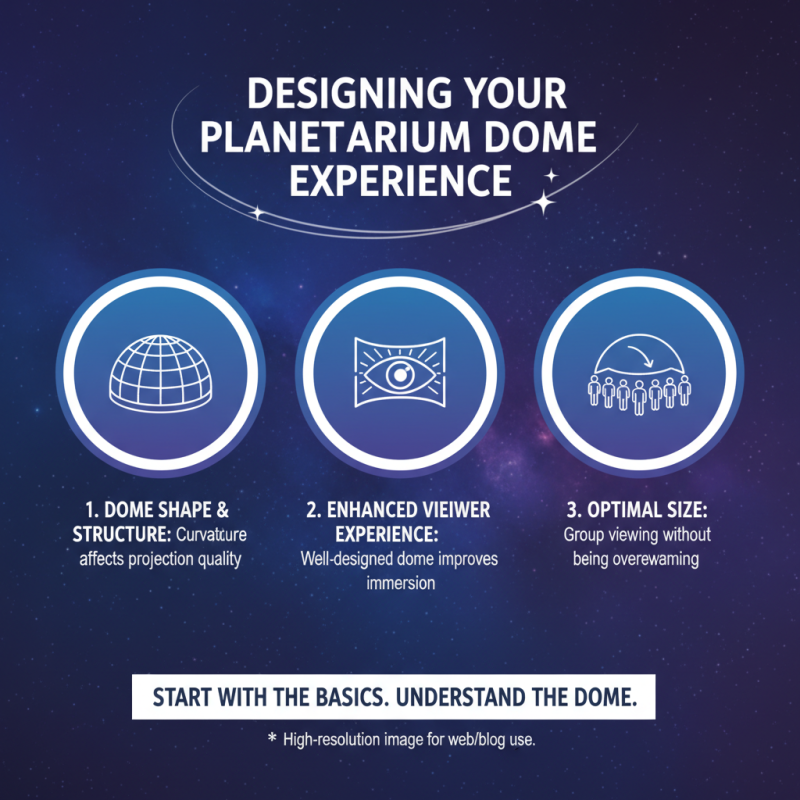
Designing your own planetarium dome experience starts with understanding the basics. It's essential to grasp the shape and structure of a dome. The curvature affects the projection quality. A well-designed dome enhances the viewer's experience. Consider the size of the dome; it should be large enough for group viewing but not too large to overwhelm.
Next, think about the projection system. Basic projectors can be limited. High-quality optics improve visualization. Experimenting with different lighting effects can create a magical atmosphere. Color and brightness control are crucial. They can alter the entire feel of the show. Lay out a plan for spacing your seats too. A crowded environment can feel uncomfortable.
Finally, don’t overlook sound design. Audio enhances storytelling. It must be clear and immersive. Failing to balance sound can ruin the experience. Reflect on the seating comfort and accessibility. If viewers can’t see well, they may not return. Testing with a small audience will provide invaluable feedback. It’s okay if everything isn't perfect at first. Each trial can lead to improvements. The design journey is all about learning and evolving.
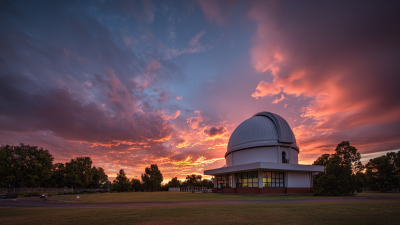
Choosing the right space for your planetarium dome is crucial. A location that is easily accessible will attract more visitors. Think about nearby parking and public transport options. Size matters too. Make sure there’s enough room for the dome and seating. It’s also important to consider the height of the space. A low ceiling may spoil the experience.
Lighting plays a significant role in your dome experience. Avoid places with too much natural light. You want to create an immersive atmosphere. Noise levels are another factor. A quiet area enhances focus on the presentations inside the dome. Consider soundproofing if necessary. Ventilation is often overlooked. Ensure your space can circulate air effectively.
Challenges can arise with existing structures. Uneven floors or awkward layouts might disrupt the installation. Don’t hesitate to adapt. Measure carefully and double-check your plans. Reflect on your vision for the dome. It should align with the space you choose. The right location can transform your project into something magical.
Creating an engaging planetarium dome experience requires careful selection of technology and equipment. Start with the projection system. You want a high-resolution projector that can display vivid colors and intricate details. Consider a dual or multiple projectors setup to cover the entire dome. This can enhance depth and realistic imagery, but aligning them properly can be a hassle and may require a lot of trial and error.
Sound is just as important as visuals. A surround sound system adds a layer of immersion to your shows. However, choosing the right speakers and their placement can be tricky. You might find that some areas echo while others feel flat. Testing different configurations can be time-consuming, but it’s vital for a balanced experience.
Keep in mind the software you use for content. It should be user-friendly and compatible with your hardware. Some software may have a steep learning curve, which can slow down your setup process. It’s okay to feel overwhelmed at times. Experimentation is key here. Don’t shy away from seeking feedback. An outsider's perspective can provide valuable insights that you might overlook.
This bar chart showcases the top 10 technology options for creating an immersive planetarium dome experience, rated on a scale from 1 to 10 based on their importance. The ratings are indicative of how essential each technology is to achieving a successful projection and overall experience in a planetarium setting.
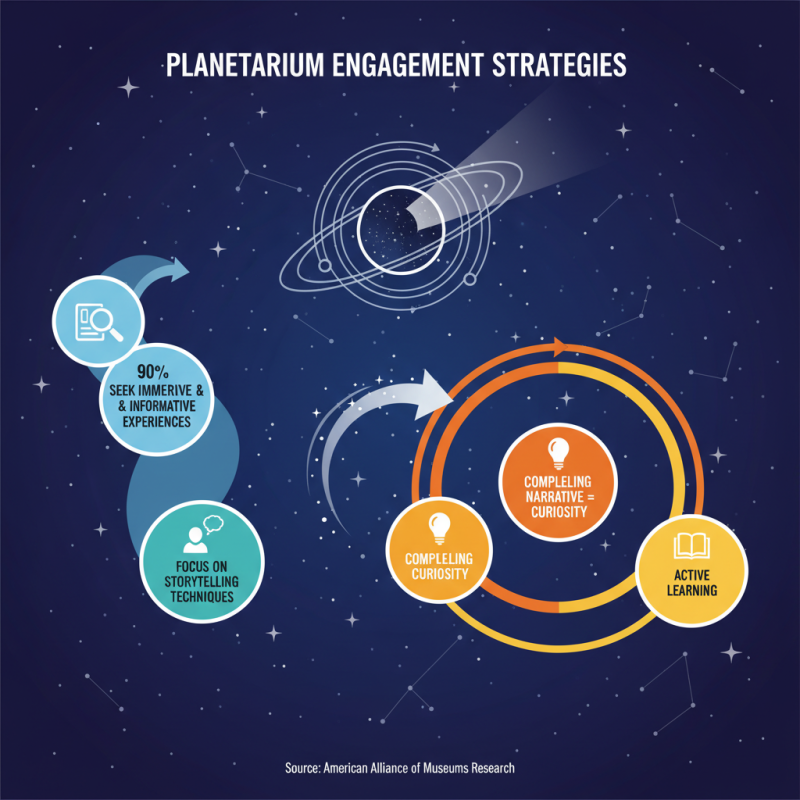
Creating engaging content for a planetarium experience requires a blend of creativity and insight. Research by the American Alliance of Museums indicates that over 90% of visitors seek immersive and informative experiences. Focusing on storytelling techniques can significantly enhance audience engagement. A compelling narrative can evoke curiosity and promote active learning.
Visual elements play a critical role in planetarium design. According to a survey from the International Planetarium Society, 70% of attendees prefer dynamic visual presentations. Using vivid imagery, dynamic animations, and a variety of colors can captivate audiences. However, it's essential to ensure that visuals align with the educational objectives. Overloading visuals can confuse rather than inform. Striking the right balance is crucial.
Interactive components can also boost engagement. Data shows that visitors are 50% more likely to remember information when they participate actively. Incorporating quizzes, discussions, or live demonstrations can transform a typical show into an interactive experience. Yet, not every audience responds positively to interactivity. Monitoring guest reactions is important. Reflecting on what works and what doesn’t can lead to continuous improvement in the content offered.
Creating an immersive atmosphere in a planetarium dome is crucial for enhancing the viewing experience. Lighting plays a vital role. Use dimmable lights to adjust the brightness levels. This allows you to control the mood. Soft, warm colors create a cozy feel. In contrast, cooler colors can evoke feelings of vastness and space. Experiment with different combinations to find what resonates best.
Sound is equally important. Surround sound can create a sense of presence. Choose ambient sounds that complement the visuals. Nature sounds, like wind or rustling leaves, can be calming. However, a misplaced sound can break immersion. Test audio levels frequently. Make sure they blend smoothly into the background.
Tip: Avoid too much static lighting. It can be distracting. Instead, think about adding moving lights. Slowly changing patterns can simulate stars twinkling. Also, remember that silence is powerful. Moments of quiet can heighten anticipation. Allow viewers to experience the visuals fully without overwhelming them. Balancing light and sound isn't easy. Regularly seek feedback for continuous improvement.
| Tip Number | Tip Description | Implementation Details |
|---|---|---|
| 1 | Choose the Right Location | Ensure the site is away from light pollution. |
| 2 | Select Quality Projection Equipment | Invest in high-resolution projectors for clear imagery. |
| 3 | Design an Engaging Schedule | Create a variety of shows to cater to different audiences. |
| 4 | Incorporate Interactive Elements | Use touch screens and quizzes to enhance visitor engagement. |
| 5 | Optimize Acoustics | Use sound-absorbing materials to improve audio quality. |
| 6 | Implement Themed Nights | Offer special shows focusing on topics like space exploration. |
| 7 | Utilize Advanced Lighting Techniques | Employ colors and effects to simulate the night sky. |
| 8 | Create Immersive Storytelling | Weave narratives with visuals to captivate the audience. |
| 9 | Enhance Visitor Comfort | Provide comfortable seating and climate control. |
| 10 | Solicit Feedback Regularly | Use surveys to improve and adapt the experience. |