Top 10 Planetarium Dome Options for Global Buyers?
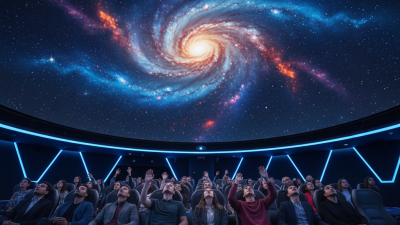
In today's world, the fascination with the cosmos continues to grow. Planetarium Dome experiences allow audiences to engage with the universe like never before. Institutions around the globe are investing in these immersive structures. They offer educational opportunities about astronomy and promote an appreciation for science.
Choosing the right Planetarium Dome can be daunting. There are numerous options available, each catering to unique needs and spaces. Features like size, material, projection technology, and ease of setup play critical roles in decision-making. Many options bring both advantages and drawbacks. This can leave buyers feeling overwhelmed when weighing their choices.
Understanding the landscape of Planetarium Domes is essential for informed decisions. From budget-friendly selections to high-end models, each option has its own appeal. This guide aims to clarify the top ten choices available for global buyers. Exploring these options can lead to better choices. However, it also prompts reflection on the needs and limitations of each institution.
Overview of Planetarium Domes and Their Global Importance
Planetarium domes play a crucial role in education and entertainment globally. They serve as immersive spaces for astronomical education, enhancing viewers' understanding of the universe. According to a report by the International Planetarium Society, over 1,000 planetarium facilities exist worldwide. These venues attract millions of visitors annually, engaging them with spectacular imagery of cosmic phenomena. Educational institutions utilize these domes to foster interest in science and technology, which is vital in today's rapidly evolving job market.
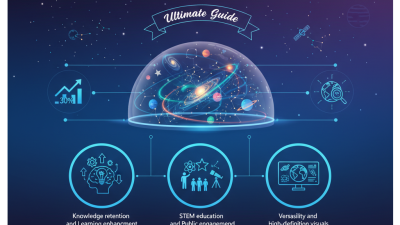
The selection of planetarium domes is diverse, catering to various needs and budgets. Lightweight and portable models are becoming increasingly popular due to their ease of setup. A study published in the Journal of Physics Education found that using dome experiences can improve students' retention of astronomical concepts by up to 30%. However, some educators express concerns about accessibility and affordability. A disparity exists in the availability of advanced technology, with many smaller institutions unable to invest in high-end options.
In a more reflective analysis, while the growth of planetarium domes is encouraging, it raises questions. How do we ensure equitable access to this educational resource? Some communities remain underserved, lacking facilities that could inspire future generations. Addressing these challenges will require collaboration among educators, governments, and industry leaders to make planetarium experiences universally accessible.
Top 10 Planetarium Dome Options for Global Buyers
This chart presents an overview of various metrics regarding top planetarium dome options available globally. It evaluates dome size, material quality, cost, installation time, and portability on a scale of 1 to 10, providing potential buyers with insights into segments they may consider when making their choices.
Criteria for Selecting the Best Planetarium Dome Options
When considering the best planetarium dome options, several key criteria emerge. Size and scalability play significant roles. A dome too small limits the viewer experience, while an excessively large one may create logistical challenges. Data show that projections are best perceived in domes with a diameter between 12 to 30 meters. Various users also prioritize material quality. Durable, lightweight materials can enhance portability and longevity, especially in outdoor settings.
Furthermore, audio-visual integration is crucial. Effective sound systems augment the immersive experience. Reports suggest that 80% of users favor domes with built-in audio capabilities. This feature can transform presentations, making them more engaging. As user preferences evolve, customizability becomes increasingly important. A dome that allows for personalization tends to better meet diverse needs.
The installation process should also be straightforward. Complicated setups can deter institutions from investing. Easy assembly is a practical consideration. Additionally, consider maintenance requirements. Frequent upkeep can incur additional costs and effort. Many institutions seek options that offer ease of care. Balancing these aspects can lead to better satisfaction in the long run.
Top 10 Planetarium Dome Options for Global Buyers
| Dome Model |
Diameter (m) |
Seating Capacity |
Projection Type |
Price Range (USD) |
Setup Type |
| Dome A |
15 |
100 |
Digital |
50,000 - 70,000 |
Permanent |
| Dome B |
12 |
80 |
Optical |
30,000 - 50,000 |
Portable |
| Dome C |
10 |
60 |
Hybrid |
40,000 - 60,000 |
Permanent |
| Dome D |
18 |
150 |
3D Projection |
80,000 - 100,000 |
Permanent |
| Dome E |
14 |
120 |
Digital |
65,000 - 85,000 |
Hybrid |
| Dome F |
20 |
200 |
Optical |
90,000 - 120,000 |
Permanent |
| Dome G |
16 |
140 |
3D Projection |
70,000 - 90,000 |
Hybrid |
| Dome H |
11 |
70 |
Digital |
25,000 - 35,000 |
Portable |
| Dome I |
13 |
90 |
Optical |
55,000 - 75,000 |
Hybrid |
| Dome J |
17 |
160 |
Digital |
75,000 - 95,000 |
Permanent |
Top 10 Recommended Planetarium Dome Models for Various Needs
When considering planetarium domes, understanding different needs is vital. Not all domes serve the same purpose. Some are designed for educational environments, while others cater to commercial purposes. The ideal dome should balance image quality, durability, and ease of installation.
For educational use, lightweight materials are preferred. They allow easy transport and setup in classrooms. However, these can sometimes compromise on sound insulation and light control. Choosing a dome with enhanced acoustic features can be beneficial for larger spaces. For commercial setups, a robust structure that can handle daily use is crucial. High-resolution projection options greatly enhance the viewer’s experience, but this may also increase costs significantly.
Many models come with various projection capabilities. Some offer seamless stitching for images, while others may not. This inconsistency can impact the visual experience. Users should deeply consider their specific requirements. It’s essential to ask experts for recommendations. Sometimes, research reveals unexpected challenges. Reflection on past choices could lead to better decisions for future purchases.
Comparative Analysis of Planetarium Dome Costs and Features
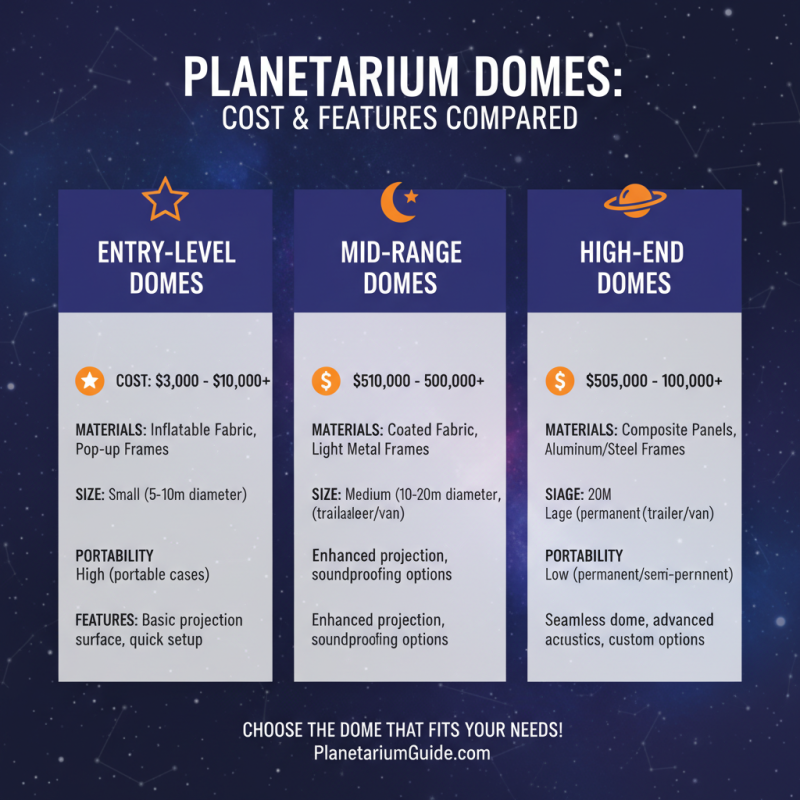
When considering planetarium domes, buyers face a variety of choices. The cost and features vary widely across options. Prices can range from a few thousand dollars to well over a hundred thousand. This significant disparity can often confuse potential buyers. Each dome type presents unique features that cater to different needs, such as size, material, and portability.
Key attributes to consider include projection capabilities and installation ease. Some domes offer advanced technology for immersive experiences. Others prioritize compact designs for easy transport. The material quality also impacts durability and maintenance costs. However, some affordable options may lack advanced features. This reflects a balance between cost and functionality that buyers must navigate.
Research plays a crucial role in decision-making. Not all vendors provide transparent information about their products. This can lead to frustrations later on. Comparing various models through user feedback and expert reviews can provide clarity. Ultimately, aligning a planetarium dome's features with specific educational or entertainment goals is essential for a satisfying purchase.
Future Trends in Planetarium Dome Technology and Design
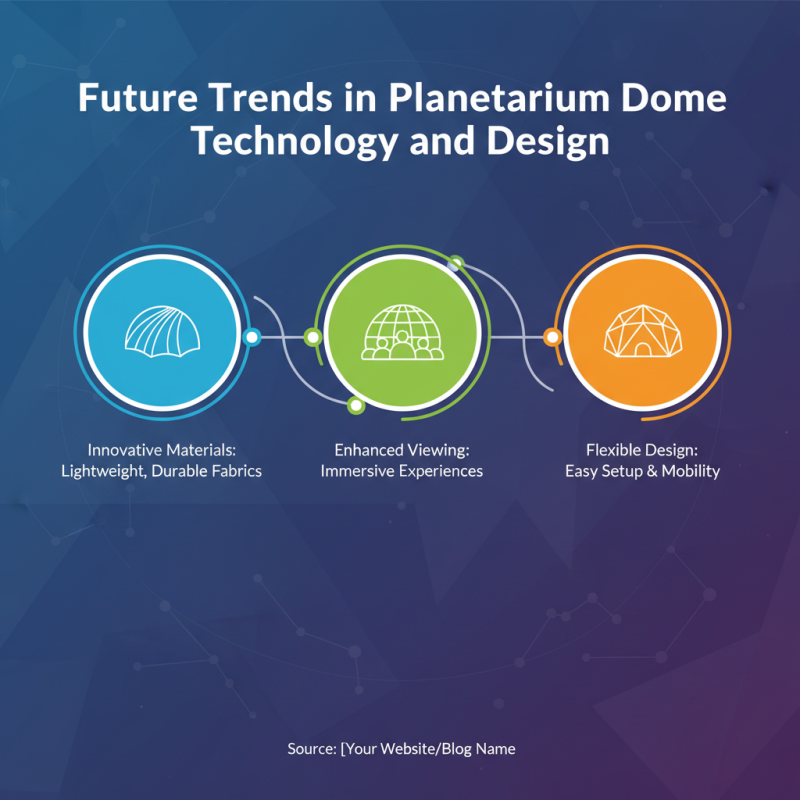
The future of planetarium dome technology promises significant advancements. Innovative materials and design techniques will enhance viewing experiences. Lightweight fabrics are gaining popularity, allowing for easy setup and mobility. These new materials also improve durability, allowing domes to withstand the elements better.
Virtual reality integration is another exciting trend. It offers visitors immersive experiences, making stargazing more engaging. However, balancing technology with the traditional planetarium experience is essential. There is a risk of overwhelming users with too many digital effects.
Sustainability is also a critical factor in future designs. Eco-friendly materials and energy-efficient projections are being prioritized. However, implementing sustainable practices can be challenging. Cost and availability of materials may pose obstacles for manufacturers. Overall, as the planetarium industry evolves, staying true to its core mission of education and inspiration remains vital.