Top 10 Planetarium Dome Options for Global Buyers?
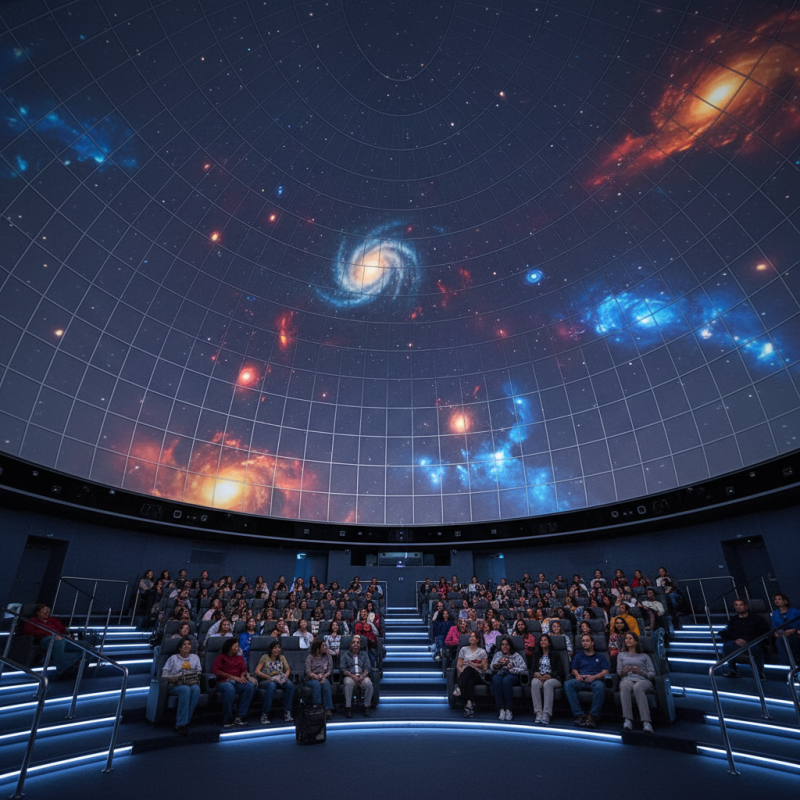
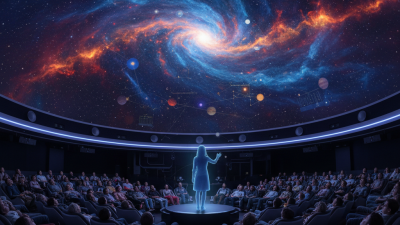
Choosing the right Planetarium Dome is crucial for any organization. These domes can transform any space into an immersive experience. Planetarium domes come in various sizes and features. They serve schools, museums, and entertainment facilities globally.
Understanding the market is essential. A suitable Planetarium Dome enhances educational programs and public engagement. Investing in quality can lead to long-term benefits. However, not every option fits every need, which requires careful evaluation. Each dome offers unique functions and designs tailored for different audiences.
Many buyers face challenges in selecting the perfect dome. Factors like budget, space, and technology integration matter. Reflecting on experiences can guide future decisions. Mistakes in choosing a Planetarium Dome often stem from lack of research. Exploring the top options can help global buyers make informed choices.
Overview of Planetarium Dome Types for Diverse Applications
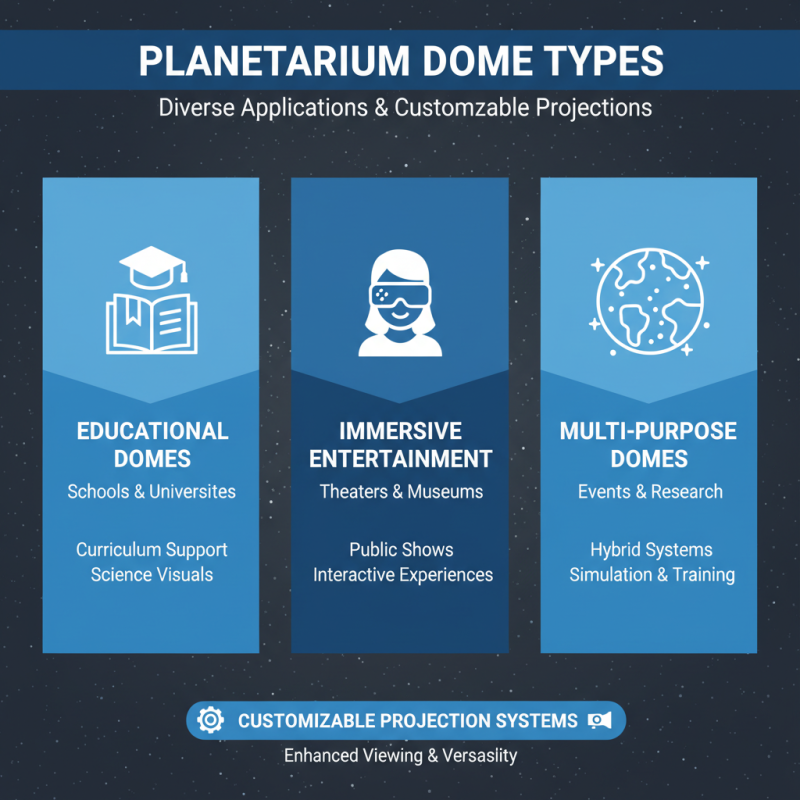
When exploring planetarium dome options, it is essential to recognize the various types available on the market. Different domes cater to distinct applications, from educational purposes to immersive entertainment experiences. Customizable projection systems can enhance the viewing experience, making domes versatile tools in museums, schools, and theaters.
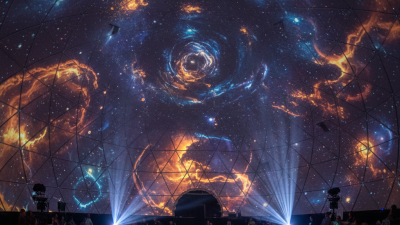
Geodesic domes offer a unique aesthetic and structural integrity. They distribute stress evenly, making them resilient. Inflatable domes are easily transportable and perfect for temporary installations. However, their longevity and robustness can sometimes be an issue. It’s crucial to weigh these pros and cons when selecting the right dome for your needs.
Some domes feature advanced projection technologies, creating stunning visual displays. Yet, these systems sometimes demand technical expertise for operation. Additionally, the calibration process can be time-consuming, and mistakes can detract from the overall experience. Assessing the technical requirements is vital to ensure a seamless viewing experience. Understanding these dome types and their applications can help make informed decisions in a competitive market.
Key Features to Consider When Selecting a Planetarium Dome
When selecting a planetarium dome, key features play an essential role. The size of the dome significantly affects the viewing experience. According to industry reports, a dome with a diameter of at least 10 meters provides a more immersive experience. Larger domes allow for a broader range of astronomical presentations. However, smaller domes can be more budget-friendly and easier to install.
Another critical feature is the projection technology used. High-quality digital projectors enhance image clarity and depth. Reports indicate that 4K projectors are rapidly standardizing in the industry. This technology provides crisp visuals, improving educational effectiveness. Cost remains a factor, though, as these projectors can be expensive.
Ventilation and acoustics are often overlooked yet vital. Adequate ventilation ensures comfort during long shows. Meanwhile, sound systems should deliver clear audio without distortion. Poor acoustics can ruin an otherwise excellent presentation. The balance between cost and quality is often a tightrope walk. Each factor warrants careful consideration to avoid regrets later.
Top Manufacturers of Planetarium Domes Around the World
When exploring planetarium dome options, the expertise of manufacturers plays a crucial role. Several key manufacturers excel in creating immersive dome experiences. They focus on innovative designs that capture visual storytelling. Their dedication to quality and technology is evident in every dome produced. These companies specialize in various sizes and applications, catering to museums, schools, and public observatories worldwide.
The market demands versatility and reliability, making manufacturer selection essential. Some firms prioritize easy installation and maintenance, ensuring peak performance over time. Many designs incorporate high-quality materials, enhancing durability and safety. This focus on longevity reflects both expertise and commitment to customers. However, buyers sometimes face challenges in aligning specific needs with available products. Each manufacturer may present unique features, but thorough research helps inform better choices. The commitment to enhancing educational experiences remains a shared goal among top manufacturers, despite the varying paths taken to achieve it.
Comparative Analysis of Pricing for Different Dome Models
When exploring planetarium dome options, pricing is a crucial factor. Different models vary widely in cost, often influenced by size, materials, and technology. Basic inflatable domes can be found at lower prices, while larger, rigid models tend to command higher fees. Enthusiasts might be surprised by how these variables affect the overall investment.
Many buyers may underestimate maintenance costs associated with dome ownership. Regular upkeep can impact long-term budgets significantly. Additionally, certain dome designs require specialized installation, which can further drive up initial expenses. The diversity in pricing reflects the varying experiences and expertise needed to achieve optimal results.
Comparatively, dome options appeal to different sectors. Educational institutions may seek budget-friendly solutions, while businesses might invest in high-tech models for immersive experiences. This disparity can result in a significant price range in the global market. It's essential for buyers to reflect on their specific needs before making a decision. Doing so can prevent overspending and ensure the selected dome truly meets expectations.
Installation and Maintenance Considerations for Planetarium Domes
When considering planetarium domes, installation and maintenance play crucial roles in their effectiveness and longevity. Proper installation ensures optimal viewing angles and performance. The foundation must be stable, capable of supporting the dome's weight and offering an even surface. Inadequate groundwork can lead to issues like leaks or structural problems over time. Engaging professionals with experience in dome setups can mitigate these risks.
Maintenance is another significant aspect. Regular inspections are vital for preserving the dome’s structural integrity. This includes checking for wear on projections and ensuring that the fabric or materials remain in good condition. Dust and debris can accumulate, affecting the quality of the projections. Relying solely on initial installation quality often leads to neglect of long-term upkeep. Users must develop a maintenance plan that schedules routine checks and cleaning.
Lighting systems within the dome also require attention. Ensuring that these systems operate efficiently can enhance the overall experience. If malfunctions occur, they may disrupt presentations. Many facilities overlook the importance of training staff on these technical systems. A well-informed team can handle minor issues, preventing costly repairs and maintaining the dome's effectiveness.
Top 10 Planetarium Dome Options for Global Buyers