How to Visit the Best Star Observatories Around the World
The allure of the cosmos has captivated humanity for centuries, leading to the establishment of numerous Star Observatories around the globe. As interest in astronomy has surged, propelled by advancements in technology and increased accessibility to stargazing experiences, these observatories serve as vital hubs for both amateur enthusiasts and seasoned astronomers. According to the International Astronomical Union, there are over 3,000 registered observatories across the world, showcasing a diverse range of facilities that offer various astronomical programs and community engagement initiatives.
Visitors to these Star Observatories not only gain insights into the universe's workings but also experience the breathtaking beauty of celestial phenomena. Reports from the American Association of Amateur Astronomers suggest that as many as 150 million individuals visit observatories annually, underscoring their importance as educational and recreational destinations. Whether you are gazing at the rings of Saturn through a telescope or attending a lecture on the latest cosmic discoveries, the experiences provided by these institutions foster a deeper understanding and appreciation of our universe.
In this guide, we will explore the top Star Observatories around the world, highlighting their unique attractions, historical significance, and the invaluable role they play in inspiring the next generation of astronomers and stargazers alike. Prepare to embark on a journey that transcends Earthly experiences and connects you with the infinite marvels of the night sky.
Top 5 Star Observatories for Stunning Night Sky Views
For astronomy enthusiasts and casual stargazers alike, visiting a star observatory is a magical experience. Here are five top observatories around the globe that offer unparalleled views of the night sky.
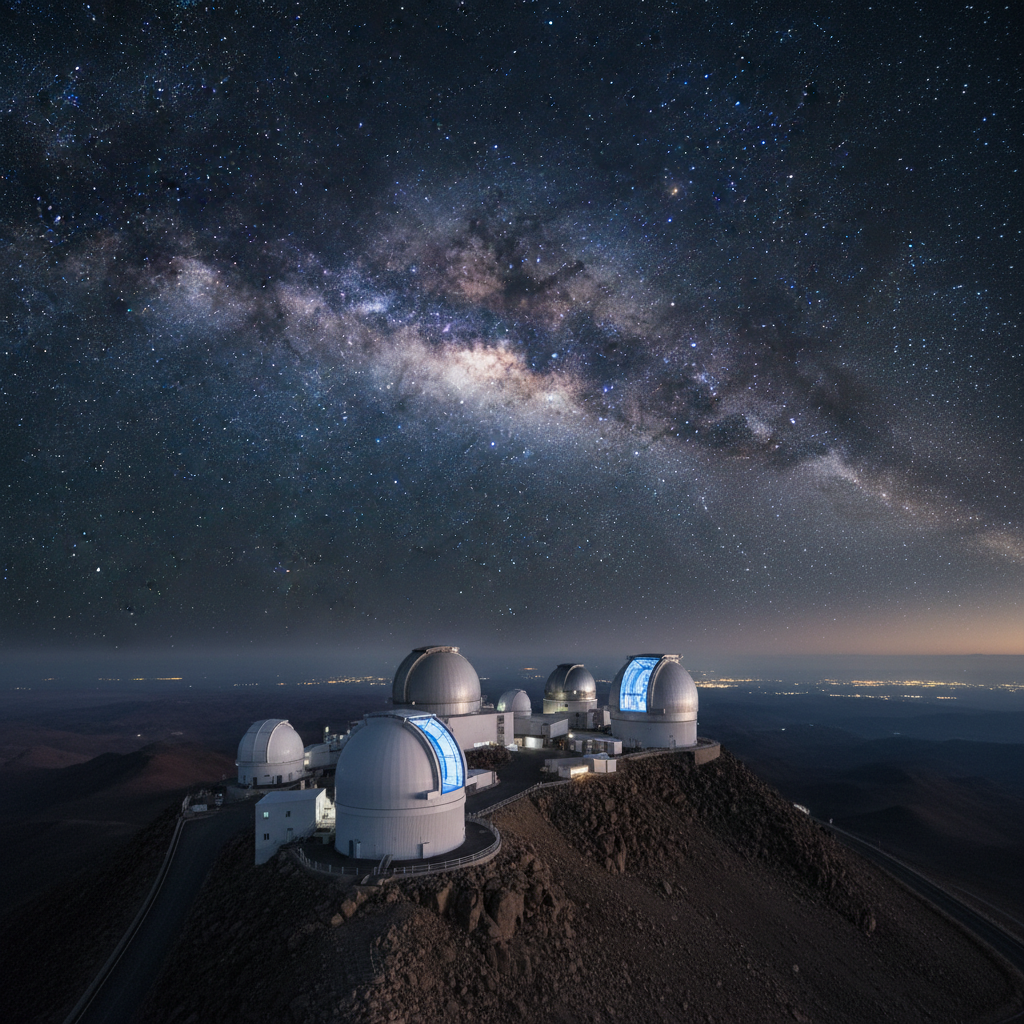
First on the list is the Mauna Kea Observatory in Hawaii, famous for its high altitude and clear skies. Visitors can witness the breathtaking sunset and watch the stars emerge as night falls. The Atacama Large Millimeter Array in Chile is another gem, located in one of the driest places on Earth, making it ideal for astronomical studies. Both locations offer public tours, allowing you to engage with experienced astronomers.
When planning your visit, consider timing your trip during a new moon to avoid the interference of moonlight, enhancing your stargazing experience. It's also wise to prepare for the altitude; bringing layers of clothing ensures you stay warm as temperatures drop. Don’t forget a good pair of binoculars or a camera to capture those stunning cosmic views! Each observatory has unique characteristics, so research their offerings to tailor your visit for the best experience.
How to Visit the Best Star Observatories Around the World - Top 5 Star Observatories for Stunning Night Sky Views
| Observatory |
Location |
Altitude (meters) |
Best Time to Visit |
Major Attractions |
| Mauna Kea Observatories |
Hawaii, USA |
4205 |
Summer Months |
Star Gaze, Clear Skies |
| Palomar Observatory |
California, USA |
1700 |
Fall and Winter |
Historical Telescopes |
| Atacama Desert Observatories |
Chile |
2400 |
Year-round |
Dry Climate, Clear Views |
| Lick Observatory |
California, USA |
1280 |
Spring and Fall |
Public Tours, Events |
| Kitt Peak National Observatory |
Arizona, USA |
2096 |
Fall to Spring |
Wide Variety of Telescopes |
7 Unique Features of Iconic World Star Observatories
When exploring the world’s best star observatories, several unique features make each one stand out. For example, the iconic Royal Greenwich Observatory in the UK not only boasts a rich history of navigation and timekeeping but also plays a pivotal role in preserving astronomical heritage. Nestled in the charming English countryside, its future as a vital site in astronomy is currently facing uncertainties, making it a poignant destination for enthusiasts and historians alike.
Another noteworthy site is the Empire State Building Observatory, acclaimed as one of New York City's top attractions. Visitors flock to its observation deck not just for breathtaking city views but also for the rich stories behind its construction and the role it plays in popular culture. Additionally, the newly added Dunsink Observatory in Ireland to UNESCO's Tentative List highlights the global significance of historic observatories. Each of these locations offers a blend of history, culture, and accessible stargazing opportunities, making them compelling stops for any astronomy lover.
Star Observatory Visits Around the World
10 Essential Tips for Planning Your Visit to Astronomical Sites
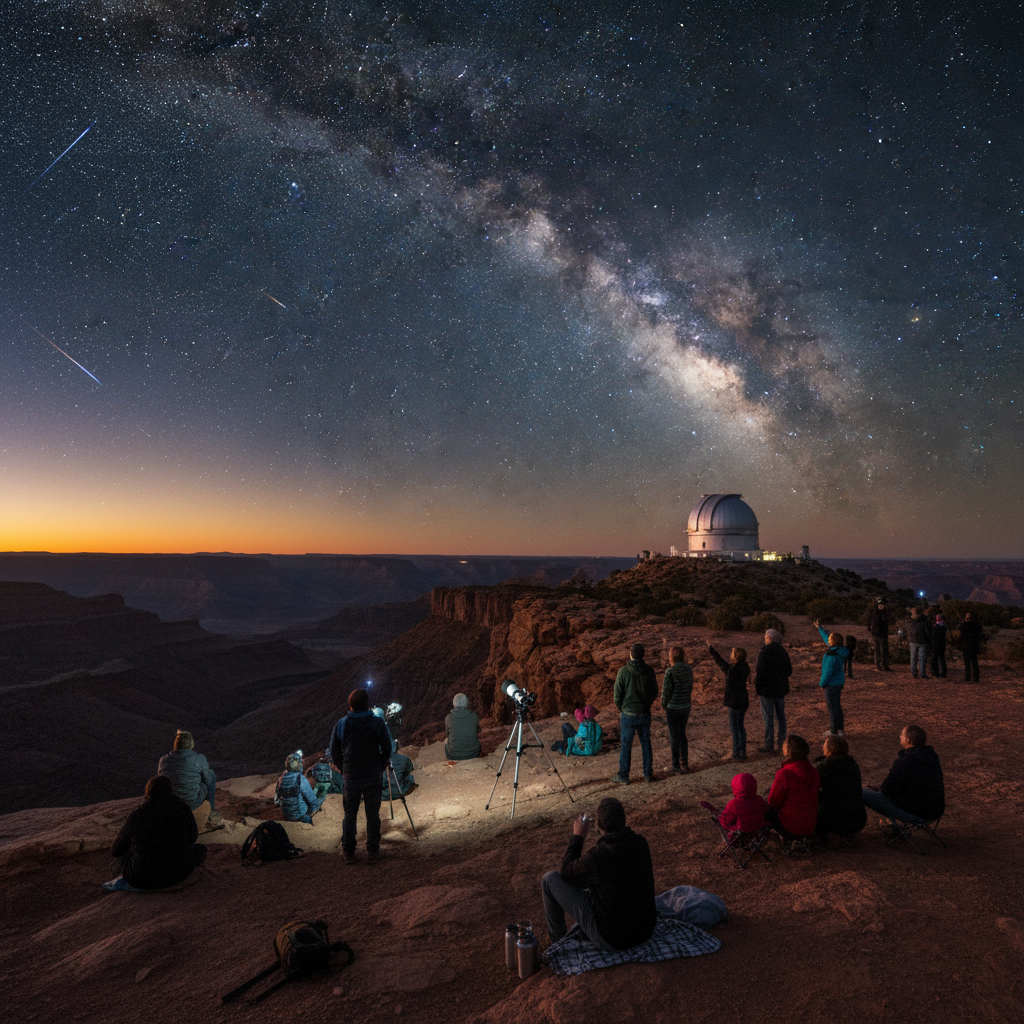
When planning your visit to astronomical sites, it's essential to consider the timing of your trip. Visiting during peak astronomical events, such as meteor showers or eclipses, can enhance your experience significantly. Before you go, check the local calendars to find out about any special events or stargazing activities that might coincide with your visit. Additionally, it's wise to arrive early to secure a good viewing spot, especially at popular observatories.
Another crucial tip is to prepare appropriately for the environment. Many star observatories are located in remote, elevated areas, which can be quite cold at night. Bring warm clothing, blankets, and even snacks to make your stargazing experience more enjoyable. Lastly, invest in a good pair of binoculars or a telescope if you're truly passionate about astronomy. While many observatories provide high-quality equipment for visitors, having your own will allow you to get a closer look at celestial wonders long after your visit has ended.
6 Must-Have Gadgets for Stargazing at Observatories
When visiting star observatories, having the right gadgets can significantly enhance your stargazing experience. According to a recent report from the International Astronomical Union, nearly 80% of amateur astronomers believe that using quality equipment improves both the clarity and enjoyment of celestial observations. One essential gadget to carry is a reliable pair of binoculars. Lightweight models with 10x50 magnification offer an excellent balance between portability and power, making them perfect for spotting constellations and celestial events.
Another must-have is a smartphone app dedicated to stargazing, such as SkySafari or Star Walk. These apps utilize augmented reality technology to help users identify stars, planets, and constellations in real-time. A study from the American Association of Amateur Astronomers revealed that up to 65% of stargazing enthusiasts rely on such applications to deepen their knowledge while observing the night sky. Additionally, packing a red flashlight ensures you can navigate without compromising your night vision, allowing for a more enjoyable experience at any observatory. With these gadgets at hand, you're well-equipped to explore the wonders of the universe.
8 Best Locations for Astrophotography Around the Globe
When it comes to astrophotography, choosing the right location is crucial for capturing stunning images of celestial events. One of the top spots is Mauna Kea in Hawaii.  Renowned for its high elevation and minimal light pollution, this dormant volcano provides an unparalleled canvas for star gazers and photographers alike. Its observatories are equipped with advanced technology, significantly enhancing the chances of capturing intricate details of distant galaxies.
Another exceptional location is the Atacama Desert in Chile, celebrated as one of the driest places on Earth. The clear, high-altitude skies here allow for amazing clarity and visibility, making it a favorite among professional astrophotographers.  The region’s numerous observatories, like the Paranal Observatory, offer not only scientific insights but also access to breathtaking night skies, where the Milky Way appears in all its glory. With such prime conditions, both novice and experienced photographers can unlock the extraordinary beauty of the universe.