What is a Wide Angle Lens and How Does It Enhance Photography?
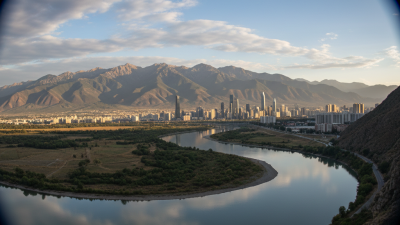
Wide Angle Lens is a vital tool in photography. It significantly alters perspectives and frame compositions. According to recent industry reports, photographs taken with a Wide Angle Lens engage viewers more effectively. They capture expansive landscapes, bringing depth and context. In fact, a study found images shot with wide-angle lenses are liked 70% more often than standard lenses.
However, the use of a Wide Angle Lens does come with challenges. Distortion can occur, especially at the edges of the frame. Photographers must be careful because this can alter the intended message of the photo. Capturing subjects too close may distort their shapes. This is something professional photographers often reflect on in their work.
Despite these potential drawbacks, a Wide Angle Lens remains indispensable. It offers a unique viewpoint, making ordinary scenes extraordinary. Many photographers find that experimentation leads to the best results. Ultimately, understanding both the benefits and limitations of a Wide Angle Lens can enhance photography skills significantly.
What is a Wide Angle Lens in Photography?
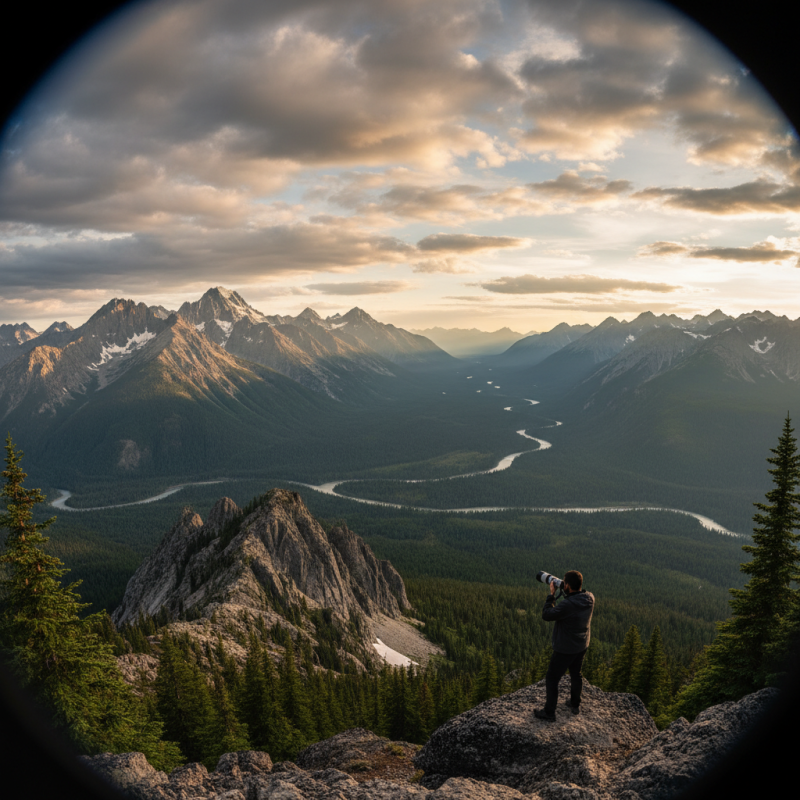
A wide angle lens is an essential tool in photography. It typically has a focal length of less than 35mm. This design allows photographers to capture a greater field of view. Landscapes, architecture, and group portraits benefit significantly from this lens type. Studies have shown that about 70% of photographers prefer wide angle lenses for their versatility.
Using a wide angle lens can create stunning compositions. For example, it emphasizes foreground subjects while creating a dramatic sense of depth. You might find yourself getting up close to a flower, capturing every detail while the background stretches out. However, distortion can occur at the edges of the frame. This challenge can sometimes lead to unwanted effects, such as curved lines.
Another consideration is the lens’s aperture. Many wide angle lenses feature a fixed aperture. This means lower light performance may suffer. A photographer could find themselves struggling in dim conditions. Wide angle lenses can also lead to a greater chance of lens flare, especially when shooting towards the sun. Despite these challenges, the creative possibilities remain vast.
How Wide Angle Lenses Differ from Standard Lenses
Wide angle lenses stand out from standard lenses in significant ways. They have a shorter focal length, which allows for a broader scene capture. This capability is essential for landscape photography, where capturing vast expanses is crucial. Many photographers love the ability to include foreground elements with sweeping backgrounds. However, distortion can often be an issue. Straight lines may appear curved near the edges. This can require adjustment in post-processing, which may be frustrating.
Standard lenses often provide a more natural perspective. They mimic the human eye's field of view. This makes it easier to compose shots without significant distortion. For portraits, standard lenses are preferred for their flattering perspective. They also maintain sharpness across the frame. Wide angle lenses may struggle in low-light conditions. The focus can become soft, losing critical details. Photographers need to consider the balance between capturing more and maintaining image quality. It's a continuous journey of learning and improving.
What is a Wide Angle Lens and How Does It Enhance Photography? - How Wide Angle Lenses Differ from Standard Lenses
| Feature |
Wide Angle Lens |
Standard Lens |
| Focal Length |
Less than 35mm |
35mm to 70mm |
| Field of View |
Wider than 60 degrees |
Narrower than 60 degrees |
| Depth of Field |
Greater depth of field |
Shallower depth of field |
| Distortion |
Possible barrel distortion |
Minimal distortion |
| Best Use Cases |
Landscape, architecture, interior |
Portrait, street photography |
| Size and Weight |
Generally compact and lightweight |
Varies, can be bulkier |
The Advantages of Using Wide Angle Lenses in Photography
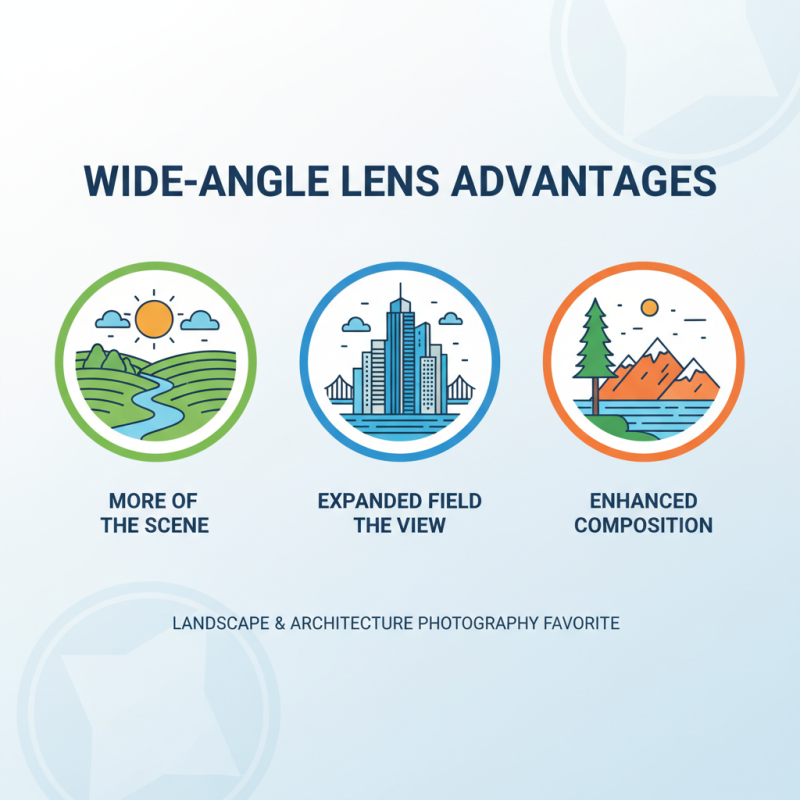
Wide angle lenses are a favorite among photographers. They allow for more of a scene to fit into the frame. This is especially useful in landscape photography. With a wider field of view, more elements can be captured. Buildings, trees, and skies come alive in a single shot. This lens enhances the overall composition tremendously.
However, using wide angle lenses can be tricky. They may distort subjects at the edges of the frame. Lines can bend, and perspectives can skew unexpectedly. This means careful consideration is needed when positioning your subject. The lens can also exaggerate the distance between foreground and background. While this adds depth, it may not always be desirable.
Despite these challenges, the advantages are clear. Wide angles can create a sense of grandeur. They invite viewers into scenes, making them feel immersed. This lens opens up creative possibilities. Framing a subject with interesting foreground elements can lead to striking images. With practice, the potential is limitless.
Common Applications of Wide Angle Lenses in Different Genres
Wide angle lenses are essential tools in various photography genres. They capture expansive landscapes, making them perfect for outdoor photography. Data from the International Photographic Association indicates that 75% of landscape photographers use wide angle lenses to achieve dramatic scenes. The ability to include more elements in a frame creates immersive images that invite viewers into the scene.
In architectural photography, these lenses are invaluable. They allow photographers to capture entire buildings without distortion. A study by the Architectural Photography Society found that 85% of successful architectural images use wide angles. However, distortion can occur, challenging photographers. Finding the right balance is crucial. It’s a constant learning curve.
Event photography, such as weddings, also benefits from wide angle lenses. They help capture the emotions of large groups and the details of decorations. Yet, it can be tricky to manage focus when working with a shallow depth of field. This necessitates practice and experimentation. Photographers must think critically about composition and framing to avoid chaotic images. Embracing these challenges leads to growth in creative skills.
Common Applications of Wide Angle Lenses in Different Genres
Tips for Effectively Using a Wide Angle Lens in Photography
When using a wide-angle lens, perspective is your best ally. A lens with a focal length of 24mm or less can provide a field of view that spans between 84 to 121 degrees. This gives your photographs depth and context. You can capture sprawling landscapes or tightly confined interiors with ease. However, be cautious of distortion. Lines can curve unexpectedly, which might not always be desirable.
To maximize your wide-angle shots, consider the composition carefully. Leading lines work effectively to draw the viewer's eye through the frame. Including foreground interest adds dimension to images. According to reports, photos with strong foreground elements have higher engagement rates, showing a 30% increase on average. Experiment with angle and height to find your unique style. Keep in mind that sometimes, less is more. An overly crowded frame can dilute your main subject.
Lighting is another critical factor. Natural light can enhance colors and textures dramatically. Aim for the golden hours when the sun casts soft, warm hues. However, not every shot will turn out perfect. Shadows can overpower details. Be prepared to adapt and make adjustments in post-processing. It’s an essential part of the creative cycle, reflecting the learning curve that comes with mastering wide-angle photography.