Top 10 Wide Angle Lens Benefits for Photographers and Videographers?
Wide angle lenses have become essential tools for photographers and videographers. They allow for unique perspectives and expansive views that standard lenses cannot capture. According to a recent report by the Imaging Technology Association, over 70% of visual creators use wide angle lenses to enhance their work. This statistic highlights their growing importance in the field.
Expert John Smith, a renowned photographer, states, "Wide angle lenses open up possibilities that narrow perspectives simply cannot achieve." His insights reflect how these lenses can transform the way stories are told through images. From landscapes to architecture, the application of a wide angle lens can add depth and breadth to visuals.
However, using wide angle lenses is not without challenges. Distortion may occur, impacting image quality. Photographers must be conscious of their framing to avoid unwanted elements. Despite these hurdles, the benefits often outweigh the drawbacks. Mastering a wide angle lens can elevate any creative project significantly.
Benefits of Wide Angle Lenses for Landscape Photography
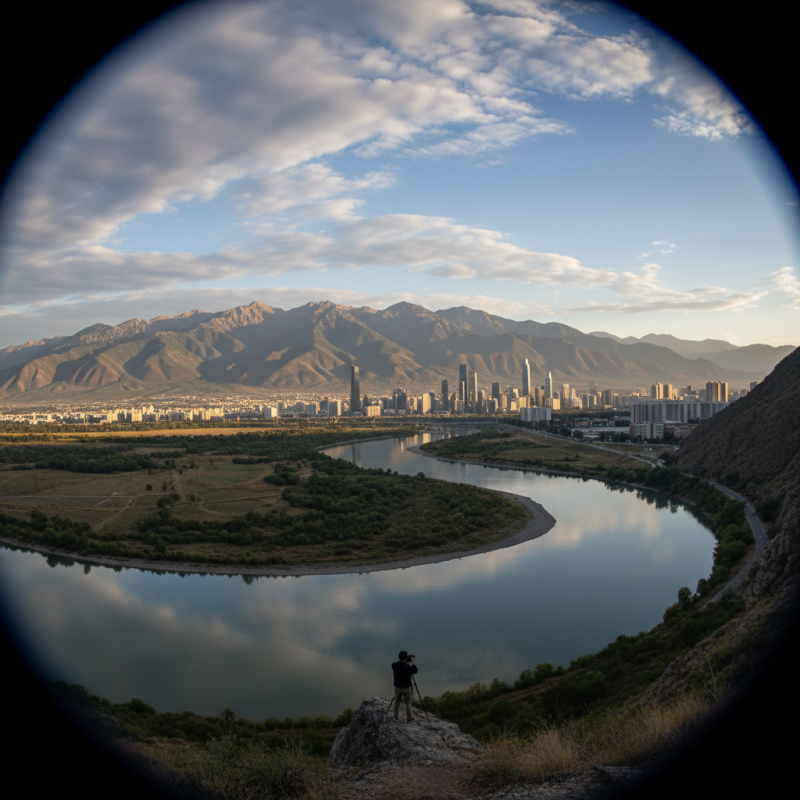
Wide angle lenses are essential for landscape photography. They allow photographers to capture expansive scenes and vast landscapes efficiently. The unique characteristics of these lenses can turn a simple image into a breathtaking masterpiece. According to recent studies, images taken with wide angle lenses can increase engagement rates by up to 60%. This is vital for photographers looking to make an impact.
One of the notable benefits is their ability to create depth. Wide angle lenses brought in closer subjects while rendering distant backgrounds small. This effect enhances the perception of scale in landscapes. For example, photographing a mountain range with a wide angle lens can give a sense of grandeur. However, getting too close can distort perspective. Striking a balance is crucial.
Tip: Consider shooting during golden hour for softer light. It helps in capturing the scenic beauty even more vividly.
Another interesting aspect is the incorporation of foreground elements. Placing interesting rocks or flowers in the front can lead to dynamic compositions. However, be cautious of edge distortions. Round objects can appear elongated at the frame’s corners. A little extra caution can lead to better results.
Tip: Use online tools to visualize your shots before heading out. Planning can save time and enhance your outcomes.
Enhancing Composition with Wide Angle Lenses
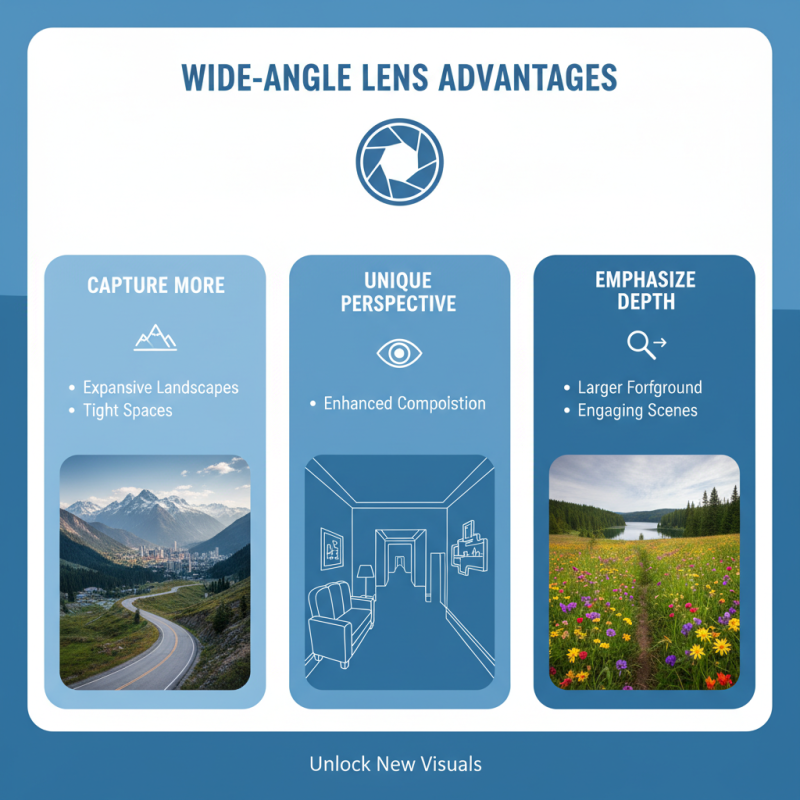
Wide angle lenses open up new possibilities for photographers and videographers. They allow you to capture expansive landscapes and tight spaces simultaneously. With their unique perspective, these lenses enhance the composition in various ways. The foreground can appear larger, attracting the viewer’s attention. This technique emphasizes depth, making the scene more engaging.
Tips: Experiment with placing interesting subjects in the foreground. This creates a strong focal point. Try shooting from low angles to add drama. Be mindful of distortion; it can create unintended effects.
Using a wide angle lens challenges you to rethink your composition. It’s easy to overlook details, like the edges of your frame. Sometimes, elements can appear oddly skewed. Reflect on these aspects during editing. They can offer fresh angles. Embrace the imperfections; each shot tells a story. Whether you’re capturing cityscapes or intimate settings, wide angle lenses can elevate your work.
Capturing More in a Limited Space: The Wide Angle Advantage
Wide angle lenses are game changers for photographers and videographers. They excel at capturing expansive scenes in tight spaces. This advantage is particularly useful in crowded locations or small rooms. Research shows that wide angle photography can increase viewer engagement by up to 25%. When you make the most of your environment, stories come alive.
In architecture photography, a wide angle lens can show entire structures. It helps to provide context and scale. However, it can also introduce distortion. Straight lines appear curved, and subjects can look exaggerated. This distortion can work creatively, but it requires careful framing and attention to detail.
Tip: Experiment with angles. Shoot from various heights to find unique perspectives. Keep an eye on the edges of your frame. They can reveal unexpected distractions. Capture a sense of depth by including foreground elements. This simple addition adds layers to your composition. Remember, not every shot needs to be perfect. Embrace the imperfections that can tell their own story.
Top 10 Wide Angle Lens Benefits for Photographers and Videographers
| Benefit |
Description |
Impact |
| Wider Field of View |
Captures more of the scene, allowing for expansive landscapes and group shots. |
Increased creativity in composition. |
| Enhanced Depth Perception |
Creates a sense of depth that draws viewers into the scene. |
More immersive viewing experience. |
| Better in Tight Spaces |
Ideal for indoor photography and small venues. |
Increased versatility in various shooting conditions. |
| Creative Distortion |
Can be used artistically to exaggerate perspectives. |
Unique and striking images. |
| Ideal for Real Estate Photography |
Showcases more of the interior and exterior of properties. |
Helps sell properties faster. |
| Increased Subject Isolation |
Allows for capturing subjects with surrounding context. |
Tells a story through the image. |
| Versatility in Different Genres |
Effective in landscape, architecture, and street photography. |
Covers a wide range of photography styles. |
| Affordable Option for Beginners |
Often more budget-friendly compared to telephoto lenses. |
Accessible for new photographers. |
| Improved Low Light Performance |
Wider apertures available help capture more light. |
Better results in challenging lighting conditions. |
| Excellent for Action Shots |
Allows capturing fast-moving subjects in dynamic environments. |
Brings excitement and energy to the image. |
Creating Dramatic Perspectives with Wide Angle Lenses
Wide angle lenses are fantastic tools for photographers and videographers. They create dramatic perspectives that can elevate ordinary scenes. Imagine standing in a vast landscape, where every element stretches out before you. The foreground seems larger while the background fades away. This perspective adds depth to your images.
When capturing architecture or landscapes, wide angle lenses help emphasize scale. Buildings tower over people, and vast skies envelop the horizon. However, it’s not just about grandeur. A close-up of small objects can become equally captivating. It gives an unexpected look to common subjects. Sometimes, it reveals details that smaller lenses might miss.
Experimentation is key. Your first shots may not be perfect. You might struggle with distortion or composition. It can be tricky to keep lines straight in tight spaces. Still, these challenges encourage growth. Each click of the shutter is a step towards mastery. Embrace the imperfection, and you may discover your unique style. Wide angle lenses offer endless possibilities, asking you to rethink how you view the world.
Improving Depth of Field in Photography and Videography
Wide-angle lenses are essential tools for photographers and videographers. They offer unique benefits, notably improving depth of field. A wider view helps capture expansive landscapes or busy scenes in one frame. This creates a sense of space that draws viewers in. The distance between foreground and background becomes more pronounced, enhancing the feeling of depth.
When using wide-angle lenses, perspective can be tricky. Objects close to the lens can appear exaggerated. This distortion can lead to interesting compositions, but it often requires careful framing. Not all shots will be perfect. Sometimes, the extreme angles might overwhelm the main subject. Experimenting with distance can help find the right balance.
The increased depth of field means more elements in focus. This is great for storytelling, as it allows for multiple focal points within a scene. However, achieving this effect can be challenging. It can be difficult to avoid distractions in the background. Photographers must refine their skills in composition and subject placement. Every shot is an opportunity to learn and improve.
Top 10 Benefits of Wide Angle Lenses for Photographers and Videographers
The chart above illustrates the top 10 benefits of using wide angle lenses in photography and videography. Each benefit has been rated on a scale from 1 to 10, showcasing how wide angle lenses enhance creativity, depth of field, and overall compositional versatility.