How to Choose an Observatory Dome House for Your Needs?
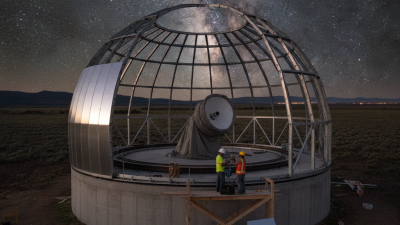
Choosing the right Observatory Dome House is essential for both amateur and professional astronomers. The design and technology of these structures can significantly impact your stargazing experience. According to the International Astronomical Union, modern dome houses are gaining popularity due to their ability to enhance viewing conditions. The right choice can lead to better visibility of celestial bodies and improved engaging experiences.
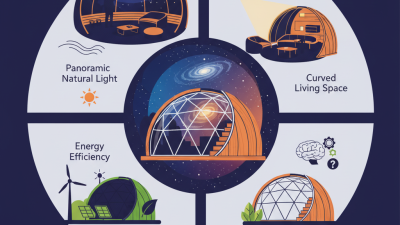
Statistics indicate that around 65% of hobbyists prefer designs that reduce light pollution and improve insulation. Such features are vital for creating a comfortable observing environment. An Observatory Dome House should offer adequate space for equipment while ensuring easy accessibility. Balancing aesthetics and functionality in design is critical for long-term satisfaction.
However, selecting an Observatory Dome House is not without its challenges. Budget constraints and geographical considerations can complicate the process. You might find that some popular models lack specific features necessary for your needs. Reflection on these aspects is crucial for making a wise investment.
Understanding the Basics of Observatory Dome Houses
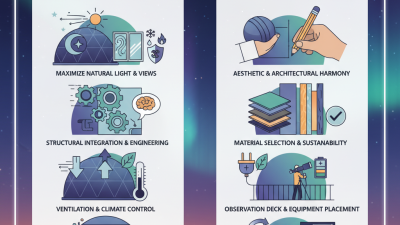
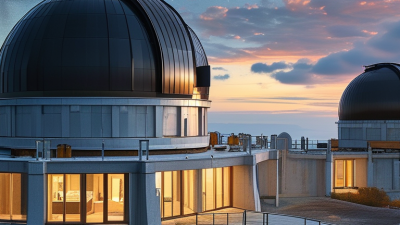
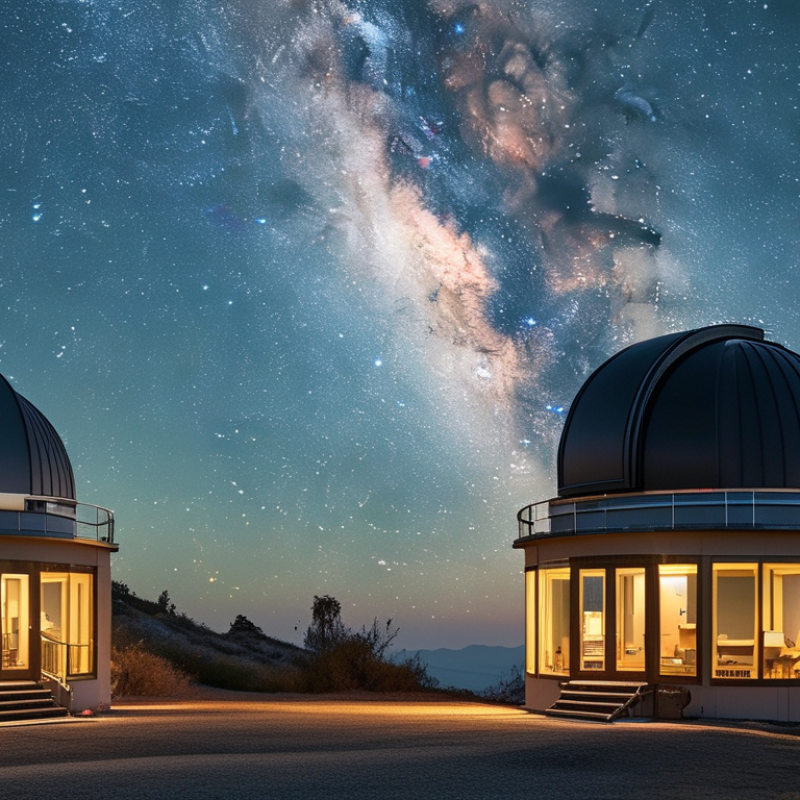
Observatory dome houses combine unique aesthetics with practical functionality. They often serve as a serene space for stargazing or scientific exploration. Understanding the basics of these structures is essential before making a choice. Dome houses are notable for their spherical shapes, reducing wind resistance and maximizing internal space. This design not only enhances stability but also offers panoramic views of the night sky, making them ideal for astronomy enthusiasts.
When selecting an observatory dome house, consider the materials used in construction. Options range from durable metals to lightweight composites. A well-insulated dome can maintain temperature, which is crucial for observing conditions. Natural light is another important factor. Skylights can enhance the inner experience during daytime, but they must also account for light pollution at night.
Accessibility and location are key considerations. Ideally, an observatory should be positioned away from city lights. Easy access for equipment and people is vital. Think about the orientation of the dome as well. Directing the opening towards the celestial objects you most wish to observe will enhance your experience. Reflecting on these choices can lead you to the perfect observatory dome house that fits your unique needs.
Identifying Your Specific Needs for an Observatory Dome
When considering an observatory dome, clarity about your specific needs is crucial. Think about your level of experience. Are you a beginner or a seasoned astronomer? This influences the size and complexity of the dome you should choose. A smaller dome might suit a novice, while an expert might seek larger, more advanced structures.
Consider what tools you'll use. Will you have a large telescope or a simple setup? The equipment size impacts the dome's dimensions. Additionally, reflect on your location. Do you have clear skies often, or will you need to consider weather resistance? Even minor details like the orientation play a role. How do you want to view celestial objects?
Finally, assess your budget. Dome prices vary, and your financial limits affect your options. Maintenance costs are also important. An elaborate structure may look appealing but could demand more upkeep. Take your time to weigh these factors. Making a hasty decision could lead to dissatisfaction later.
How to Choose an Observatory Dome House for Your Needs?
| Feature |
Description |
Considerations |
| Size |
The diameter and height of the dome determine the space available for equipment and observation. |
Consider the types of telescopes and equipment you plan to use. |
| Material |
Common materials include aluminum, fiberglass, and wood, each with different durability and insulation properties. |
Assess climate conditions and maintenance requirements of materials. |
| Mounting Options |
The style of mount (e.g., Alt-Az vs. Equatorial) can affect the design of the dome. |
Choose a dome compatible with your telescope's mount type. |
| Automation |
Many domes can be equipped with automated opening mechanisms and tracking systems. |
Evaluate if automation is needed for ease of use during observations. |
| Energy Efficiency |
Insulation and ventilation play important roles in maintaining a stable internal environment. |
Look for features that enhance energy efficiency for year-round use. |
Evaluating Different Types of Dome Designs and Materials
When selecting an observatory dome house, the design and material choices significantly affect functionality and aesthetics.
Dome shapes come in various styles, including geodesic and monolithic domes. Each design has unique structural advantages. For example, geodesic domes are highly efficient in distributing stress, making them sturdy and energy-efficient. Conversely, monolithic domes offer seamless construction, which can improve insulation.
Materials also play a crucial role. Common options include reinforced concrete, fiberglass, and aluminum. Reinforced concrete provides durability and excellent thermal mass. This can help stabilize internal temperatures. Fiberglass is lightweight, allowing for easier installation and transportation. However, it may lack the longevity of concrete. Aluminum is another popular choice, valued for its corrosion resistance. It’s lightweight, but its thermal properties might require additional insulation.
Consider your specific needs and environment when evaluating these options. Factors like climate, frequency of use, and potential for expansion are crucial. Reflect on the trade-offs between insulation, weight, and durability. Not every option will fit every user perfectly. Balancing these elements will lead to a well-informed decision that meets your unique requirements.
Assessing Location and Environmental Factors for Dome Placement
Choosing the right location for your observatory dome house is crucial. Environmental factors can significantly impact your astronomy experience. Light pollution, altitude, and weather conditions all play vital roles. Research areas with minimal light pollution to enjoy clearer nights. Higher altitudes can enhance visibility. Look for locations with stable weather patterns to reduce atmospheric disturbances.
**Tips:** Consider visiting potential sites at night. Observe the darkness and the stars. Take note of any artificial lights nearby. A quiet, dark site can make a big difference.
Soil conditions are another factor. Ensure the ground can support the structure. Avoid flood-prone areas. Compatibility with local wildlife and flora is essential. Some regions may have protected species or sensitive ecosystems. Research local regulations before making a decision.
**Tips:** Speak to local astronomers. They can offer insights on the best places. Joining astronomy clubs can provide valuable knowledge. Learn from their experiences and gain a deeper understanding of environmental considerations.
Budgeting for Construction and Maintenance of a Dome House
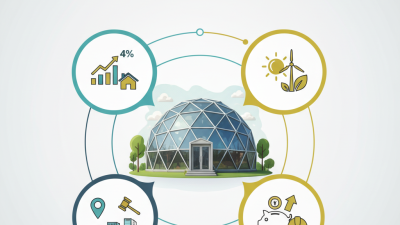
When budgeting for the construction and maintenance of a dome house, financial planning is crucial. Start by estimating initial costs, which typically include materials, labor, and permits. Dome houses often require unique materials that can impact the overall budget. For instance, reinforced concrete or specific insulating materials may increase costs significantly. It's essential to research local building codes to avoid unexpected expenses.
Ongoing maintenance should not be overlooked. Consider expenses related to roof maintenance, insulation upgrades, and utilities. Dome houses can be energy-efficient, but they still require upkeep. Routine inspections and minor repairs can prevent costly issues down the line. Set aside a maintenance fund, ideally 1-2% of the home’s value annually.
Reflect on your long-term plans. Economic fluctuations might affect your budget. Factors like inflation and rising material costs could make your initial estimates obsolete. It's wise to consult with experts through the planning phase. Their insights can provide guidance on realistic budgeting and help avoid financial pitfalls. Being prepared can make the journey of owning a dome house more rewarding.