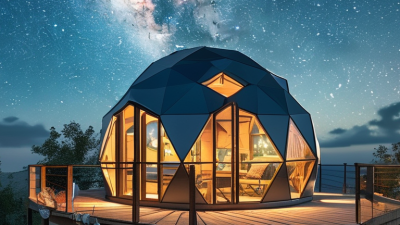
Best Tips for Building an Observatory Dome House?
Building an Observatory Dome House is an exciting yet challenging endeavor. This unique structure not only serves as a sanctuary for stargazers but also as a stunning architectural feature. Its design allows for panoramic views of the night sky, making it a favorite among astronomy enthusiasts. However, creating an effective observatory requires careful planning and expertise in construction.
The construction of an Observatory Dome House involves various factors. Material selection is crucial for durability. Proper insulation is necessary to manage internal temperatures. Additionally, the placement of windows and the dome's orientation can significantly affect function and aesthetics. These elements must not be overlooked, as poor decisions can lead to regrets.
Despite the creativity involved, challenges may arise. Building codes might limit your designs. You may also struggle with the balance between functionality and beauty. Reflecting on these issues is essential. It ensures a successful project that stands the test of time. Ultimately, an Observatory Dome House can become a cherished space with careful consideration and expert advice.
Essential Considerations for Designing an Observatory Dome Home
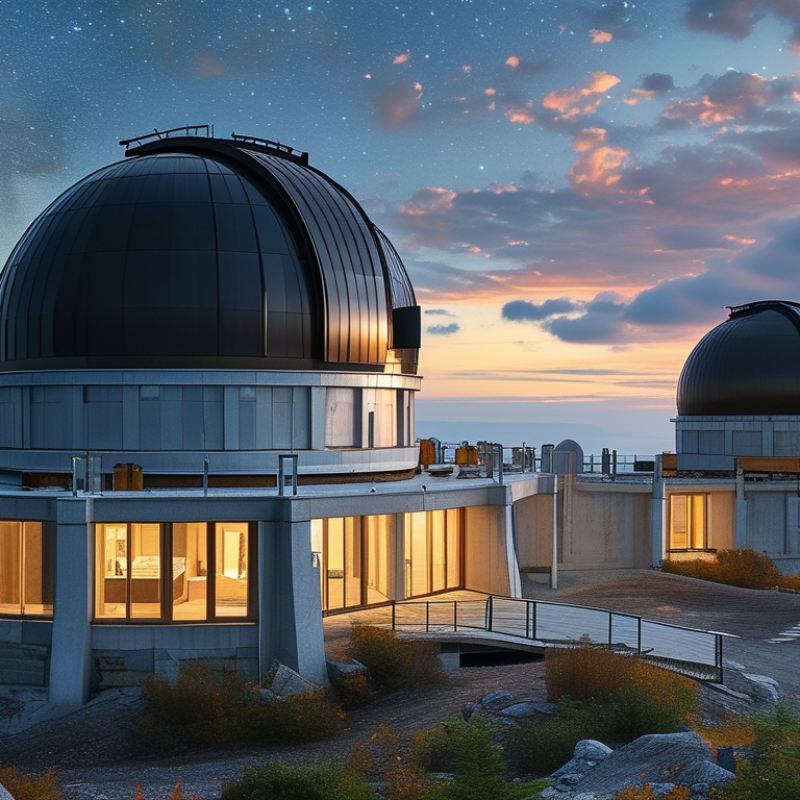
Designing an observatory dome home requires careful planning and attention to detail. The shape of a dome allows for a 360-degree view of the night sky, making it ideal for stargazing. Consider materials that can withstand various weather conditions. Insulation is also crucial. It keeps the interior comfortable throughout the year.
Think about the placement of the dome. It should be far from light pollution. Natural surroundings can enhance the experience. The interior layout is just as important. Create spaces for both watching the stars and living comfortably. Use curtains or screens to block unwanted light when necessary.
While the idea sounds appealing, some challenges may arise. Construction can be complex due to unique shapes. Drainage and ventilation are often overlooked. Plan for enough electrical outlets for equipment. Storage should also be sufficient for telescopes and other tools. Reflect on these factors before starting the project.
Selecting the Right Location for Your Observatory Dome House
Choosing the right location for your observatory dome house is crucial. Look for elevated areas with a clear view of the sky. This reduces light pollution from surrounding areas. Ideally, select a site far from city lights. A distant property provides the best opportunity for stargazing.
Consider the local climate when deciding on a location. Areas with consistent clear skies are preferable. However, some regions may experience extended rainy seasons. This could limit your observation opportunities. Ensure you assess the weather patterns throughout the year. A location may seem perfect but might not be practical in terms of consistent stargazing.
Accessibility is another key factor. The road to your location should be easy to navigate. Long, rugged paths can deter you from visiting regularly. Also, think about utilities. Is there reliable electricity and water supply? If not, it may complicate your experiences. Reflect on these aspects carefully before committing to your chosen location.
Materials and Construction Techniques for Dome Structures
Building an observatory dome house requires a keen understanding of materials and construction techniques. Dome structures offer superior strength and energy efficiency, making them an excellent choice for this purpose. Materials like reinforced concrete, fiberglass, and timber are commonly used. According to a report from the American Concrete Institute, concrete has a compressive strength of over 3,000 psi, which is ideal for load-bearing structures.
The construction techniques for dome houses often incorporate geodesic designs. This approach maximizes stability while minimizing material usage. A study from the Journal of Building Engineering indicates that geodesic domes can use up to 60% less material than traditional structures, without sacrificing durability. The shape itself helps with wind resistance and thermal performance, crucial for an observatory in various climates.
However, there are challenges in this construction method. Precise calculations are essential for the geometry of the dome. Errors can lead to structural compromises. Additionally, local building codes may impose restrictions on dome designs. It's important to consult with local authorities and engineers to ensure compliance and safety. Without careful planning, some aspects of the project may not meet expectations.
Incorporating Astronomical Equipment into Your Dome Design
Building an observatory dome house is an exciting venture for any astronomy enthusiast. When designing your dome, think about how to seamlessly incorporate essential astronomical equipment. This integration is crucial for functionality and enhancing your stargazing experience. Choosing the right size for your dome is important. It should accommodate a telescope while allowing comfortable movement around it.
Consider the materials of your dome. A good insulation layer can help protect your equipment from temperature fluctuations. This is vital for precise observations. You might want glass that minimizes distortion for a better view of celestial objects. Think about how the dome opens. A retractable roof can enhance your setup, but ensure it operates smoothly and reliably.
Light pollution is another factor to reflect on. Your location should minimize light intrusion to maximize visibility. There may be compromises between comfort and the technical needs of your equipment. Sometimes, the best-laid plans need adjustment. Take time to refine your design as you experience your space. This process can lead to improved functionality and innovation.
Building Regulations and Permits for Observatory Homes
When considering building an observatory dome house, understanding local building regulations and permits is crucial. These regulations vary greatly by location. For instance, some areas may require specific permits for construction, while others may impose strict zoning laws that dictate the height and size of your dome. Engaging with local authorities early can prevent future headaches.
Additionally, you should review any historical preservation guidelines in your area. An observatory might need to comply with these guidelines, especially if located in a designated neighborhood. Consider the impact of your structure on surrounding properties and the environment. Being aware of these aspects can save time and resources later in the process.
Consulting with professionals who specialize in dome construction can provide valuable insights. Their experience with the permitting process is beneficial. They can help ensure that all legalities are handled smoothly. Even minor oversights can lead to significant delays or fines. It's essential to remain updated on evolving regulations that may affect your project.
Best Tips for Building an Observatory Dome House
This chart illustrates the importance rating of various factors to consider when building an observatory dome house, highlighting what should be prioritized during the planning and construction phases.