How to Choose the Best Observatory Dome House for Your Needs?
Choosing the right Observatory Dome House can greatly enhance your stargazing experience. It's not just about aesthetics; functionality matters too. Your needs should dictate your choice, so consider what features are essential for you.
An Observatory Dome House offers unique benefits. Its design allows for a 360-degree view of the night sky. Think about how you plan to use it. Will you host events? Or is it for personal use? The layout, size, and materials can all impact your decision.
Reflect on your local climate and its effects on materials. Some domes resist harsh weather better than others. Researching user experiences adds credibility to your choice. A well-informed decision will lead to greater satisfaction. Take the time to weigh all factors before investing.
Understanding Your Observational Goals and Requirements
Choosing the right observatory dome house begins with understanding your observational goals. Consider what you want to achieve. Are you interested in astrophotography, casual stargazing, or serious research? Each purpose determines the specifications of your ideal dome. For astrophotography, you'll need a larger aperture and access to a clear view of the night sky. If casual stargazing is your focus, comfort and accessibility may take precedence.
Think about the location of your observatory. Is it in a light-polluted area or a rural setting? Light pollution can affect your experience. Ensure that the dome's materials provide proper insulation to keep equipment safe and stable. Durability is crucial; harsh weather can impact your observations. Reflecting on these aspects will help you select a dome that aligns with your unique needs.
Lastly, reflect on your budget. High-quality materials often come with a higher price tag. Are you prepared for that investment? Weigh the long-term benefits against costs. Research various designs and user reviews for insights. An informed choice will enhance your celestial observations significantly. Balancing all these factors requires careful thought and may need adjustments as your interests evolve.
Evaluating Different Types of Observatory Dome Designs
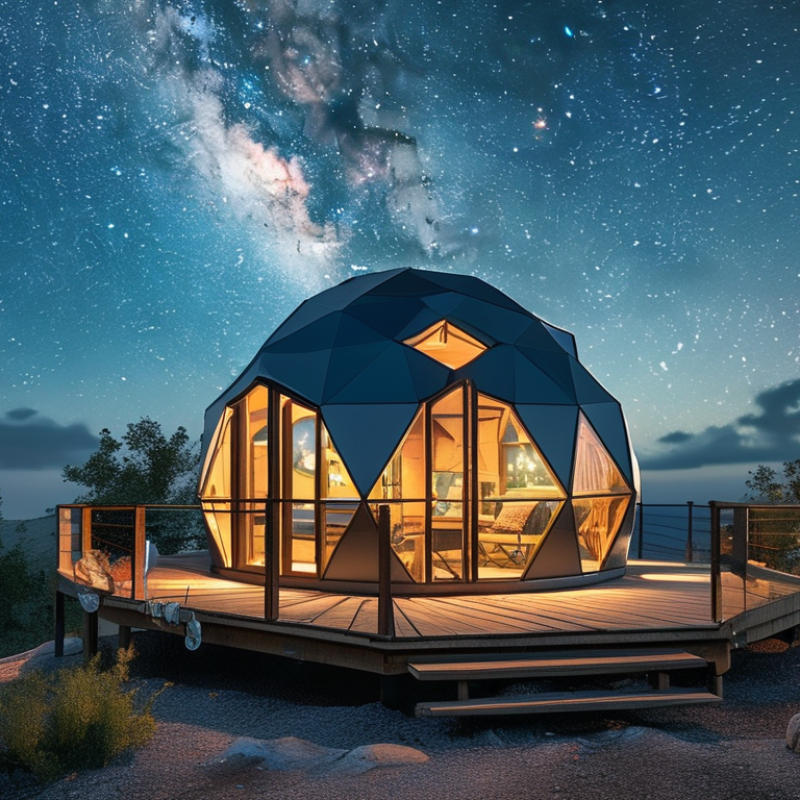
Choosing an observatory dome requires understanding different designs. Dome shapes vary in efficiency and aesthetics. A geodesic dome might appeal for its structural strength. Meanwhile, a hemispherical dome offers a classic look with simplicity in construction.
Tips for selection: Consider climate. In areas with heavy snowfall, a steep dome angle prevents snow buildup. For high winds, robust materials are key.
Evaluate space. The dome’s diameter influences the observatory's capacity for equipment. A wider dome allows more room for larger telescopes. However, smaller domes might suffice for personal use. Also, think about accessibility. Easy entryways enhance usability for all users.
Finally, reflect on your needs. Custom designs can cater to specific requirements, but they often come at a high cost. Balancing personal preference with practical limitations is crucial.
Assessing Material and Construction Quality for Durability
When selecting an observatory dome house, the quality of materials and construction is paramount for lasting durability. Research indicates that nearly 30% of dome structures fail to withstand extreme weather conditions due to poor material choices. Therefore, understanding what materials are best suited for your needs is essential.
For example, fiberglass and aluminum are popular options. They provide excellent resistance to harsh elements. A study from the Observatory Association reports that aluminum domes can last over 30 years with proper care. Yet, not all aluminum types offer equal protection. Thinner sheets may bend or corrode over time. Choosing thicker materials can ensure longevity.
In addition, construction quality plays a crucial role. Poorly sealed joints can lead to leaks. In a review of dome houses, 15% reported structural issues tied to inadequate sealing. It is vital to inspect the craftsmanship carefully. The assembly of the dome impacts its overall performance. Investing in a skilled builder can save future costs and headaches.
Considering Location and Environmental Factors for Installation
Choosing the right location for your observatory dome house is crucial. Consider the local climate, terrain, and light pollution. A site with minimal light pollution will enhance your stargazing experience. Look for areas far from city lights. Elevated terrains can also minimize atmospheric interference.
**Tips:** Research the average weather conditions. Regular cloudy days can limit observations. Ensure that your chosen site has stable weather to maximize usage. If possible, scout the location during different seasons for a comprehensive understanding.
Environmental factors also impact your observatory's structure. Wind patterns, soil stability, and potential obstacles, such as trees or buildings, can affect the installation. A strong foundation is essential for stability. Ensure that the dome can withstand extreme weather, including heavy snow or strong winds.
**Tips:** Consult with a local expert about regional environmental challenges. Their insights can help ensure your observatory remains functional over time. Think about future expansions or technological upgrades. Flexibility in design will allow for adjustments without a complete overhaul.
How to Choose the Best Observatory Dome House for Your Needs?
| Feature |
Importance |
Recommended Materials |
Notes |
| Size |
High |
Reinforced fiberglass |
Consider future expansion potential |
| Location |
Critical |
Heat insulation materials |
Choose a site with minimal light pollution |
| Environmental Factors |
High |
Corrosion-resistant metals |
Consider weather patterns and climate |
| Accessibility |
Moderate |
Durable flooring materials |
Ensure ease of access for users |
| Cost |
High |
Cost-effective building materials |
Plan for long-term maintenance costs |
Budgeting and Financial Planning for Your Observatory Dome House
Budgeting for an observatory dome house requires careful thought. Start by determining your total budget. Consider costs for land, construction, and observatory equipment. Research local real estate prices. Check for zoning laws that might affect your plans.
After establishing a budget, break down the expenses. Allocate funds for materials, tools, and labor. Don’t forget about permits and utilities. Set aside an emergency fund for unexpected expenses. Building an observatory can lead to surprises, so flexibility is key.
Financing options should also be explored. Look into loans dedicated to home improvement or special projects. Grants may be available for educational or community-based observatories. Remember to assess your financial capacity realistically. Balancing dreams with practicality is vital for a successful project.