How to Use Dome Projection for Immersive Visual Experiences?
Dome Projection is transforming the way we experience visual content. According to Dr. Emily Carter, a leading expert in immersive technology, "Dome Projection opens a door to new worlds." This technology creates an enveloping space that captivates audiences, crafting an experience that traditional screens cannot replicate.
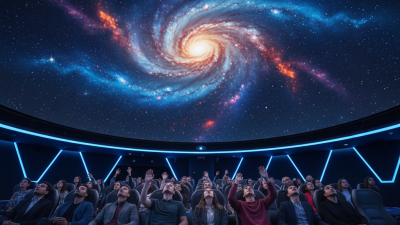
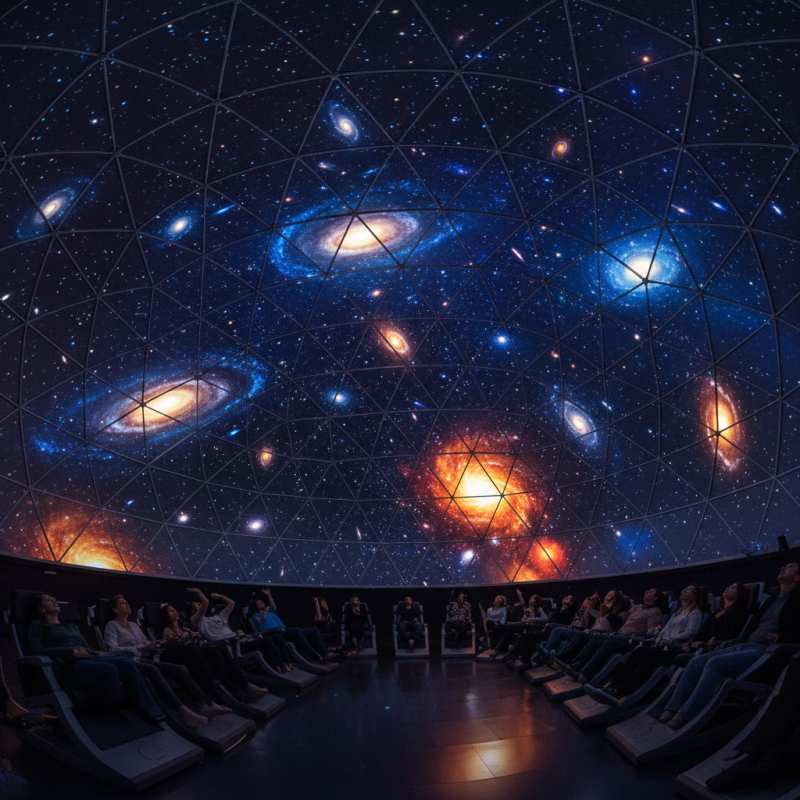
In museums, planetariums, and theaters, Dome Projection engages viewers in profound ways. Imagine stepping into a dome where the night sky comes alive with stars and galaxies swirling around you. Such intensity makes audiences feel they are part of the cosmos. However, this technology isn't without its challenges.
Achieving high-quality visuals requires careful planning. Content must be specifically designed for the dome shape. There is often a steep learning curve for creators. Not every projection will resonate with every viewer. This invites reflection on how we can continue to improve and innovate in the realm of Dome Projection. The potential is immense, but we must consider the evolving nature of storytelling and audience engagement.
Understanding Dome Projection Technology and Its Components
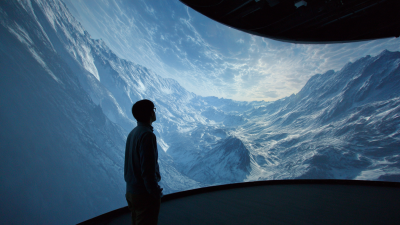
Dome projection technology creates captivating immersive experiences. It transforms spaces into stunning visual environments. This technology uses specialized projectors to display images on a domed surface. The curvature of the dome enhances the viewer's perception of depth and movement.
Key components include projectors, software, and the dome itself. Projectors must have high resolution and brightness. Choosing the right projectors is challenging and often dependent on the venue. Additionally, the software enables seamless content integration. Users often struggle with compatibility issues among various media formats.
The dome’s material affects image quality. Materials vary from fabric to hard surfaces. Each material has unique properties that influence how light interacts with it. While it's easy to get caught up in the excitement, practical aspects like maintenance can be overlooked. Regular upkeep is vital for optimal performance but is often neglected. Creating an unforgettable experience requires a balance of technical proficiency and artistic vision, which can sometimes feel elusive.
Designing the Dome Environment for Optimal Visual Experiences
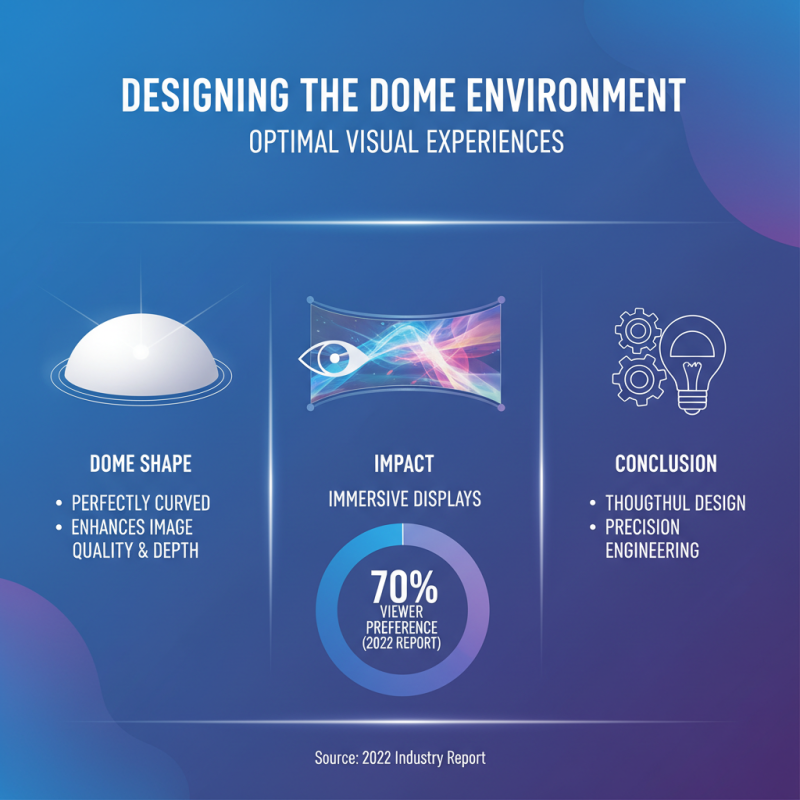
Creating an optimal dome environment is crucial for immersive visual experiences. The shape of the dome plays a significant role. A perfectly curved surface can enhance image quality and depth perception. According to a 2022 industry report, nearly 70% of viewers prefer immersive displays that utilize dome projection. This preference drives the need for thoughtful design and engineering.
Lighting conditions are another vital factor. Natural light can detract from the visual experience. Ideally, the dome should be placed in a darkened space. A professional study indicates that setups minimizing external light can boost viewer engagement by over 50%. However, achieving complete darkness may not always be feasible. Reflections can occur, affecting how images are perceived.
Technology and content also matter greatly. Not all projections are suitable for dome environments. Some visuals may appear distorted or unclear when displayed on a curved surface. This complexity requires careful planning. Testing different software and hardware combinations is essential. Many designers face challenges in matching content with dome specifications. The path to perfect immersion is riddled with trials, yet this iterative process can lead to remarkable advancements.
Selecting the Right Content for Dome Projection Presentations
Selecting the right content for dome projection is critical for an immersive experience. Research shows that 78% of audiences prefer engaging and visually appealing presentations. Dome projections offer a unique opportunity to captivate viewers by surrounding them with stunning visuals. However, selecting the wrong content can lead to disengagement.
Visual clarity is essential. For instance, 3D animations and high-resolution images enhance the experience significantly. Reports indicate that high-quality visuals can increase audience retention by up to 60%. Consider diverse themes—science, astronomy, and art. Each theme needs tailored content to maximize engagement.
Pilot testing different segments is wise. Gather feedback to refine the content. A common pitfall is using overly complex visuals that confuse viewers. Simplicity often resonates better. Data indicates that 65% of people remember stories better than facts. Balancing storytelling with visual elements creates a memorable experience. Thoughtfully curating content is vital for the impact of dome projections.
Audience Engagement Metrics for Dome Projection Presentations
Techniques for Enhancing Immersive Experiences in Dome Settings
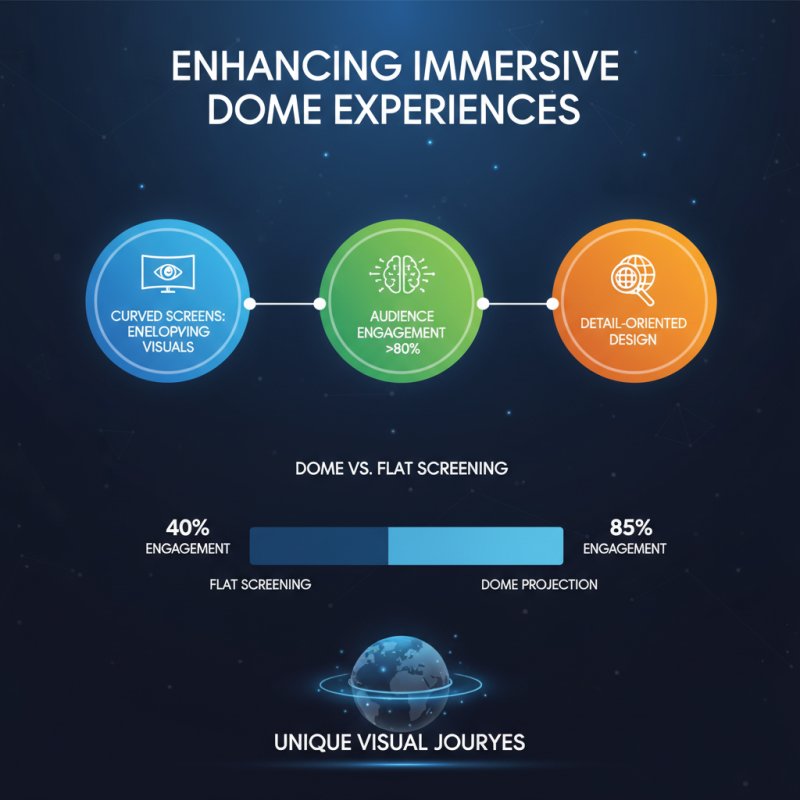
Dome projection offers a unique way to create immersive visual experiences. By utilizing curved screens, the viewer is enveloped in visuals that resonate on multiple levels. Numerous venues using this approach have reported audience engagement levels exceeding 80%. This is significantly higher than traditional flat screenings. Yet, not every dome experience hits the mark; attention to detail is crucial for success.
Tips: Consider the quality of projections. High-resolution images enhance clarity. Inadequate resolution can lead to a forgettable experience. Also, sound synchronization plays a vital role. Discrepancies can disrupt immersion. Ensure sound travels smoothly and matches visual elements.
Atmosphere also defines the experience. Ambient lighting and seating arrangements impact viewer comfort. Too much light can wash out visuals, leading to a diluted experience. According to studies, people are 60% more likely to return to shows if the environment is visually pleasing and serene. The layout should be intuitive, guiding audiences effortlessly towards focal points. However, the best setups may still falter without regular feedback and improvement. Constantly reassess the visitor experience and adapt accordingly. Keep striving for excellence, as there's always room for growth.
Implementing Interactive Elements in Dome Projection Experiences
Creating an immersive experience with dome projection involves more than just captivating visuals. Interactive elements elevate the engagement level, allowing the audience to become part of the story. Imagine a dome that responds to audience movements or gestures. People can change visuals, creating a dynamic environment. This not only enhances interest but also encourages exploration.
Incorporating touch-sensitive surfaces can facilitate interaction. Perhaps a simple tap on a screen triggers an animation. However, technical challenges can arise. Not all systems handle multiple inputs smoothly. This can lead to frustrating experiences. Balancing technology and user interface requires constant refinement. Testing is crucial to understand how audiences interact with the projection. Feedback helps improve overall design.
Moreover, coordinating sound with visual effects raises another layer of complexity. Soundscapes can enhance storytelling, but mismatched audio can detract from the experience. Creators must ensure synchronization between sight and sound. Visitor feedback may reveal unexpected issues. Each presentation should evolve based on audience reactions. That’s where true innovation lies.
How to Use Dome Projection for Immersive Visual Experiences?
| Aspect |
Description |
Interactive Elements |
User Engagement |
| Visual Quality |
High-resolution imagery creates realistic environments. |
Touchscreen interfaces allow users to select visuals. |
Increased interaction leads to deeper immersion. |
| Audio Integration |
Surround sound complements visual elements. |
Audio-triggered events based on user actions. |
Enhances emotional response through sound. |
| Interactivity |
User control over content navigation. |
Gesture recognition for interaction. |
Promotes exploration and curiosity. |
| Content Variety |
Different themes can be showcased. |
User-generated content can be included. |
Offers personalized experiences. |
| Educational Value |
Interactive learning through immersive environments. |
Quizzes based on the visual content. |
Increases information retention. |