Double Arc Forming Tips to Enhance Your Manufacturing Process?
The concept of "Double Arc Forming" is gaining traction in the manufacturing sector. This innovative technique improves efficiency and precision during the forming process. According to a recent report by MarketsandMarkets, the global forming technology market is projected to reach $70 billion by 2026. Double Arc Forming plays a crucial role in this growth by enabling manufacturers to produce complex shapes with minimal waste.
Many industry leaders have reported a 30% increase in productivity after implementing Double Arc Forming techniques. These methods allow for greater flexibility in design and enhanced material utilization. However, not all manufacturers have adopted this approach. Some are hesitant due to the initial investment costs and the learning curve associated with new technology. This reluctance can hinder their competitive edge in an evolving market.
While the advantages are clear, the transition is not without challenges. It requires skilled operators and thorough training. Companies must also consider maintenance and troubleshooting issues that arise with new machinery. Reflecting on these aspects is vital for a successful integration of Double Arc Forming into existing processes.
Understanding Double Arc Forming in Manufacturing Processes
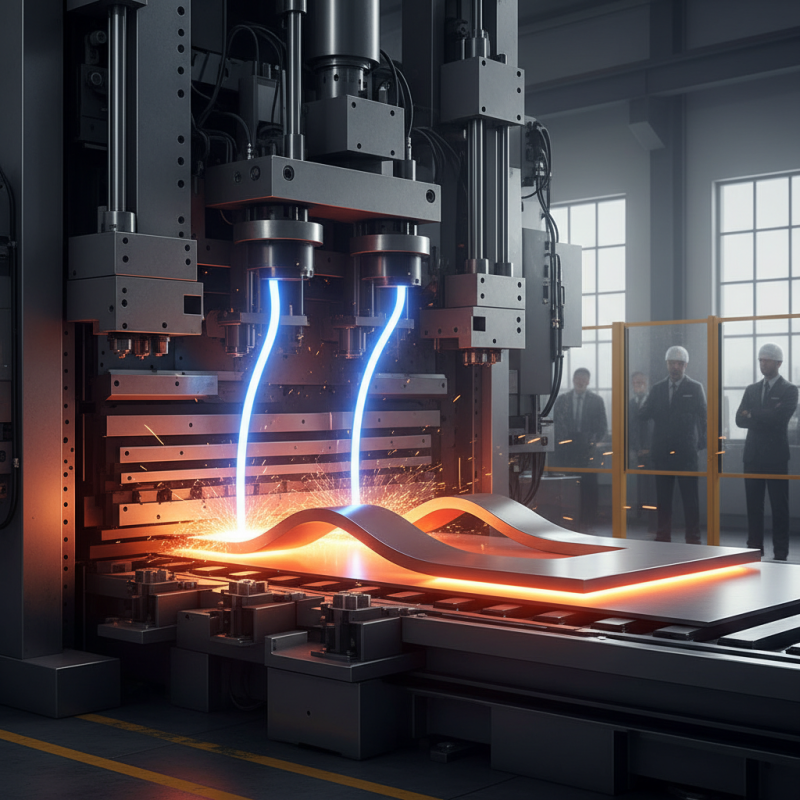
Double arc forming is an innovative technique in modern manufacturing processes. This method, characterized by its unique geometry, allows for more precise shaping of materials. Industry reports indicate that manufacturers utilizing double arc forming can achieve up to a 25% increase in material yield. This efficiency stems from reducing waste during the shaping process.
Implementing double arc forming comes with challenges. Precision in the setup is crucial but can be hard to maintain. A minor deviation can lead to significant errors in the final product. Additionally, operators must be well-trained to adapt to this technique, as it differs from traditional forming methods. Studies suggest that upskilling workers can result in a 15% reduction in operational errors, but training resources may not always be available.
Despite the benefits, not every manufacturer is ready for such a shift. Initial investment costs can be a barrier for smaller companies. However, the long-term savings and efficiency may outweigh the upfront expenses. Some businesses may hesitate, fearing technology adoption will disrupt their existing processes. Addressing these concerns is vital for a successful transition to double arc forming.
The Benefits of Implementing Double Arc Techniques
Implementing double arc techniques in manufacturing offers numerous benefits. This method increases precision in complex shapes. It enhances material flow, reducing waste during production. Manufacturers observe improved product quality when using this approach. The efficiency seen during the double arc forming process can significantly boost output.
However, challenges exist. Not all equipment is suited for these techniques. Additional training is often required. Some teams may struggle to adapt to the changes quickly. It's important to assess readiness and capability before implementation. Regular feedback from workers can help refine processes and identify potential issues early on.
Optimizing these techniques means continuous evaluation. Monitoring the impacts on production lines can provide valuable insights. Frequent adjustments may be necessary to achieve the best results. The journey to mastering double arc techniques requires persistence and open-mindedness. Embracing imperfections can lead to exciting breakthroughs in manufacturing efficiency.
Double Arc Forming Tips to Enhance Your Manufacturing Process
| Technique |
Description |
Benefits |
Efficiency Improvement (%) |
Implementation Time (Weeks) |
| Double Arc Bending |
A method for bending materials in a two-arc configuration to improve accuracy and consistency. |
Increased precision, reduced waste, improved material usage. |
20% |
4 |
| Enhanced Tooling |
Utilization of specialized tooling designed for double arc processes, ensuring better contact and fit. |
Improved fitting accuracy, reduced rework cycles. |
15% |
3 |
| Real-time Monitoring |
Implementing sensors to monitor curves and arcs during the bending process. |
Immediate detection of deviations, leading to quicker adjustments. |
25% |
6 |
| Material Selection |
Choosing materials that better lend themselves to double arc forming. |
Better material properties, enhanced end-product quality. |
30% |
2 |
| Advanced Software |
Using CAD/CAM software to simulate double arc formations before actual production. |
Reduced design flaws, faster prototyping, better end results. |
20% |
5 |
Key Materials and Equipment for Effective Double Arc Forming
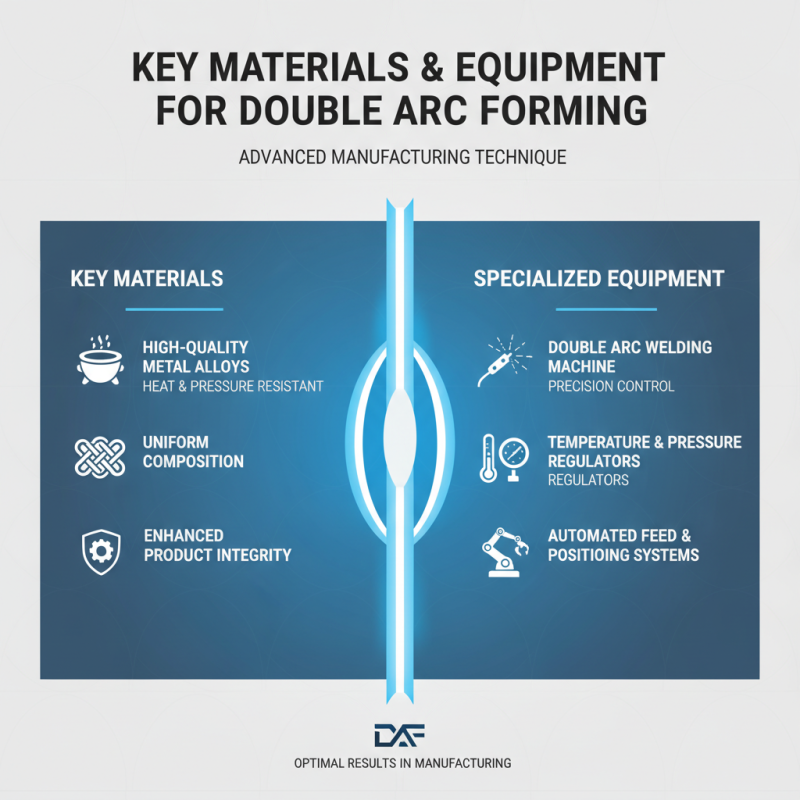
Double arc forming is an advanced technique in manufacturing that requires specific materials and equipment for optimal results. Key materials include high-quality metal alloys capable of withstanding intense heat and pressure. These materials ensure that the double arc formation occurs uniformly, enhancing the integrity of the final product.
The equipment plays a crucial role in this process. A reliable power source is essential to generate the required arcs. Additionally, precise electrodes are vital for achieving control during the forming stage. These electrodes must be checked regularly, as wear can result in inconsistent results. It’s important to frequently inspect these tools to avoid catastrophic failures during production.
Understanding the nuances of double arc forming is critical. While the technique offers significant benefits, complications can arise if the right materials and equipment are not utilized. Many manufacturers overlook the importance of regular maintenance. This could lead to subpar outputs. Overall, investing time in selecting the right components will greatly enhance the manufacturing process.
Data Analysis: Rejection Rates and Quality Enhancements
In the realm of manufacturing, data analysis plays a crucial role in refining processes. A recent report indicated that rejection rates can significantly affect production efficiency. For instance, companies with high rejection rates often face losses of up to 30% of their output. This stark reality urges manufacturers to focus on quality enhancements.
One effective method to reduce rejection rates involves double arc forming. This innovative approach optimizes material flow and minimizes waste. In trials, organizations that implemented this technique noted a 25% decrease in defects. However, challenges remain. Some operators reported difficulties in adjusting machines to accommodate double arc profiles. Feedback loops with employees are essential to refine these processes.
Furthermore, the integration of real-time data analytics can provide deeper insights into production quality. In industries where precision is key, even a small oversight can lead to significant shortcomings. It is vital to engage staff in examining data trends and discussing potential issues regularly. Such reflections allow teams to address ongoing problems and continuously improve manufacturing quality.
Case Studies: Successful Double Arc Implementations in Industry
Double arc forming has gained traction across various industries for its unique capabilities. One notable case study highlights an automotive manufacturer that implemented double arc technology to streamline their production line. They reported a 30% reduction in cycle time. By eliminating traditional process bottlenecks, they could increase their output significantly. However, challenges arose. The transition required extensive training for employees unfamiliar with this method.
In another instance, a consumer electronics company adopted double arc forming for their product enclosures. They saw material waste decrease by 25%. While the technology proved effective, some design flaws emerged early on. The company had to revisit their design strategies, which delayed the implementation timeline. Detailed testing revealed unexpected stress points that required adjustments.
These cases illustrate the potential benefits of double arc forming in manufacturing. High initial investment costs can be daunting for businesses. Yet, the long-term savings and efficiency improvements often justify the risk. Emphasizing thoughtful implementation, companies must prepare to learn from mistakes along the way. Each industry has unique demands, making continuous adaptation essential for success.
Double Arc Forming Process Efficiency Analysis