How to Experience the Wonders of a Hybrid Planetarium?
In recent years, planetariums have evolved significantly, making them more engaging than ever. A Hybrid Planetarium combines both traditional and digital projection technologies. This fusion creates immersive experiences that captivate audiences. According to a recent report by the International Planetarium Society, over 500 planetariums worldwide utilize hybrid systems. This increase showcases their growing popularity.
The appeal of Hybrid Planetariums lies in their ability to present stunning visuals and interactive content. Visitors can explore the cosmos, dive into ocean depths, or discover historical landmarks. These venues are especially effective in education, with studies indicating that immersive learning can enhance retention rates by up to 75%.
However, there are challenges. Not all hybrid systems are created equal, and their effectiveness can vary. Maintaining cutting-edge technology requires significant investment. Additionally, the need for trained staff to facilitate these complex systems is crucial. As the demand increases, some institutions face difficulties in keeping up with the latest advancements. Exploring the wonders of a Hybrid Planetarium offers both excitement and a reflection on these evolving complexities.
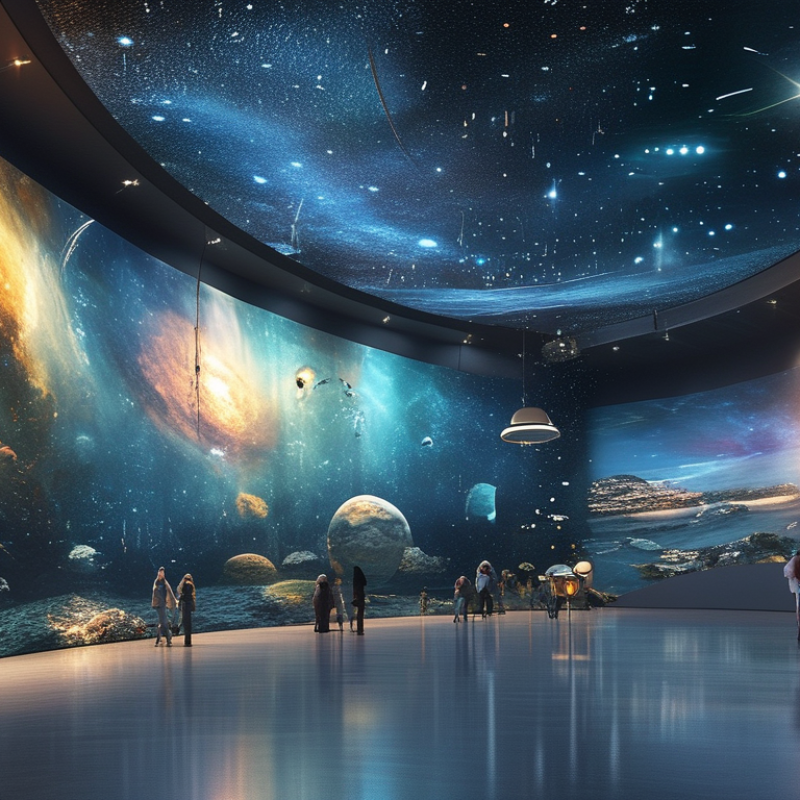
The Definition and Features of a Hybrid Planetarium
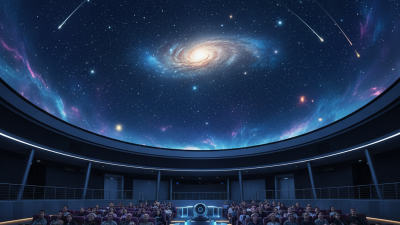
A hybrid planetarium combines traditional and digital elements to create a unique experience. This innovative venue merges real-time data projections with immersive visuals. Visitors can expect an enriching journey through the universe, witnessing stunning astronomical displays. It blurs the lines between reality and imagination.
Tips for maximizing your visit include attending guided shows for expert insights. Engaging with knowledgeable staff can enhance your understanding. Don’t rush through. Take time to absorb the visuals and sounds around you. Each feature offers distinct perspectives on our cosmos.
Experiment with different viewing angles. Observing from various spots can change your perception of the exhibits. Keep in mind the experience may vary based on timing and crowd levels. Some shows may be more crowded. Patience can lead to a better encounter with the wonders before you. Embrace unpredictability in your exploration.
Key Technologies Behind Hybrid Planetarium Experiences
Hybrid planetariums combine digital and optical technologies to create immersive experiences. This blend enhances the viewer's connection to the cosmos. According to the International Planetarium Society, over 1,500 planetariums worldwide now utilize hybrid technologies. These advancements allow audiences to explore not just stars but also complex astronomical phenomena in stunning detail.
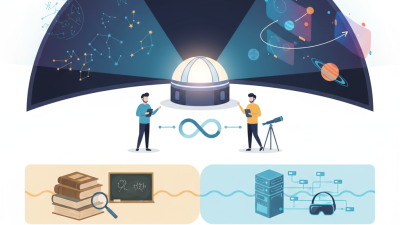
Three key technologies define the hybrid experience. First, digital projectors present vivid images. They provide clarity and detail, allowing for more extensive celestial mapping. Second, optical projectors offer realistic star fields. This combination enriches the storytelling of the universe. Third, interactive displays engage users in real time. This interactivity ensures a space where viewers become part of the exploration.
Tips: Consider visiting during a weekday. It’s often less crowded. Engage with guides—they provide insights that enhance understanding. Keep an open mind; hybrid shows can challenge traditional views of space. Exploring these elements may leave you with more questions than answers, pushing the boundaries of curiosity and knowledge.
Popular Types of Shows and Visuals in Hybrid Planetariums
Hybrid planetariums offer a unique blend of
digital technology and traditional projection. This combination creates immersive experiences that
captivate audiences. From the vastness of space to intricate depictions of the night sky, the
visuals are often stunning. The ability to switch between different presentation styles allows for
greater creativity in storytelling.
One popular type of show is the animated space tour.
These shows guide viewers through galaxies and nebulae. The detailed animations offer a fresh
perspective on complex astronomical concepts. Another favorite is the live presentation, where
skilled narrators engage with the audience. They answer questions and provide real-time
explanations, which adds a personal touch. However, not every presentation may resonate, and some
may leave audiences wanting more depth.
Live music performances paired with visuals can also be found in hybrid planetariums. These
experiences are often mesmerizing, creating a dreamlike atmosphere.
Yet, the execution can vary significantly. Some shows are breathtaking, while others might not
land as well. The balance between audio and visuals is crucial but sometimes feels off.
Exploring these hybrid environments can lead to unexpected joys and reflections, making each
visit truly unique.
Statistics on Attendance and Engagement in Planetarium Exhibitions
Planetarium exhibitions are gaining popularity, drawing in diverse audiences. Recent statistics show a steady increase in attendance at hybrid planetariums. These venues blend traditional elements with cutting-edge technology. Audiences appreciate the engaging experiences provided by immersive visuals and interactive displays.
In 2022, about 40% of participants reported feeling more connected to science after their visit. Curiously, younger audiences were more enthusiastic than older ones. This trend raises questions about outreach strategies. Not every exhibition meets expectations, with some visitors feeling overwhelmed by information.
Engagement levels also vary widely. Feedback indicates some prefer hands-on activities, while others enjoy passive learning. The challenge lies in balancing these preferences. This reflection is critical for improving future exhibitions. Understanding visitor experiences can lead to better design and curation of planetarium shows. Successful engagement requires ongoing adaptation and a willingness to learn from audience input.
Attendance and Engagement in Planetarium Exhibitions (2022)
Future Trends and Innovations in Hybrid Planetarium Design
Hybrid planetariums are revolutionizing the way we experience astronomy and cosmic storytelling. A recent report from the International Planetarium Society highlighted that hybrid systems can increase visitor engagement by up to 45%. These advanced planetariums utilize both digital and traditional projection methods, creating immersive environments that inspire awe and wonder.
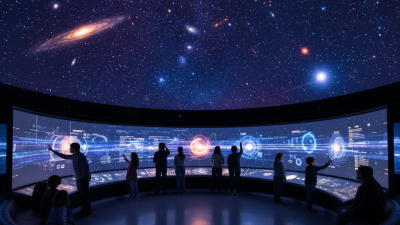
Future trends suggest a shift towards more interactive experiences. Researchers indicate that integrating augmented reality could enhance educational programs. In fact, studies show that 78% of participants remember content better in interactive settings. Opportunities lie in utilizing AI-driven customization to tailor experiences based on individual learning styles. This innovation could address current limitations where many presentations are static and don’t cater to diverse audiences.
However, the integration journey is not without challenges. Technological costs can be high. Many institutions must weigh budgets against innovative ambitions. Additionally, user experience design remains critical. If not thoughtfully executed, it can lead to overwhelming or confusing environments. Ensuring accessibility and comfort for all visitors is a responsibility that cannot be overlooked. Balancing technology with tradition may yield the most rewarding experiences in hybrid planetariums.
How to Experience the Wonders of a Hybrid Planetarium? - Future Trends and Innovations in Hybrid Planetarium Design
| Aspect |
Description |
Benefits |
| Immersive Experiences |
Combining 360-degree visuals with augmented reality. |
Enhances learning and engagement with content. |
| Interactivity |
Users can interact with displays via touch or motion. |
Promotes active participation and curiosity. |
| Customizable Content |
Content can be tailored to different audiences or themes. |
Maximizes relevance and impact for viewers. |
| Advanced Projection Technology |
Utilizes laser projection and high-definition displays. |
Provides sharper images and vibrant colors. |
| Sustainability Features |
Incorporates energy-efficient technologies and materials. |
Reduces ecological footprint and operational costs. |