What is a Hybrid Planetarium and How Does It Enhance Astronomy Education?
The concept of a Hybrid Planetarium is transforming the way we approach astronomy education. Dr. Emily Carter, a leading expert in immersive technologies, states, "Hybrid Planetariums blend the physical and digital worlds, enriching student engagement." This innovative blending of technologies creates a dynamic learning environment.
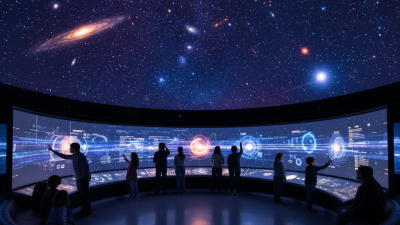
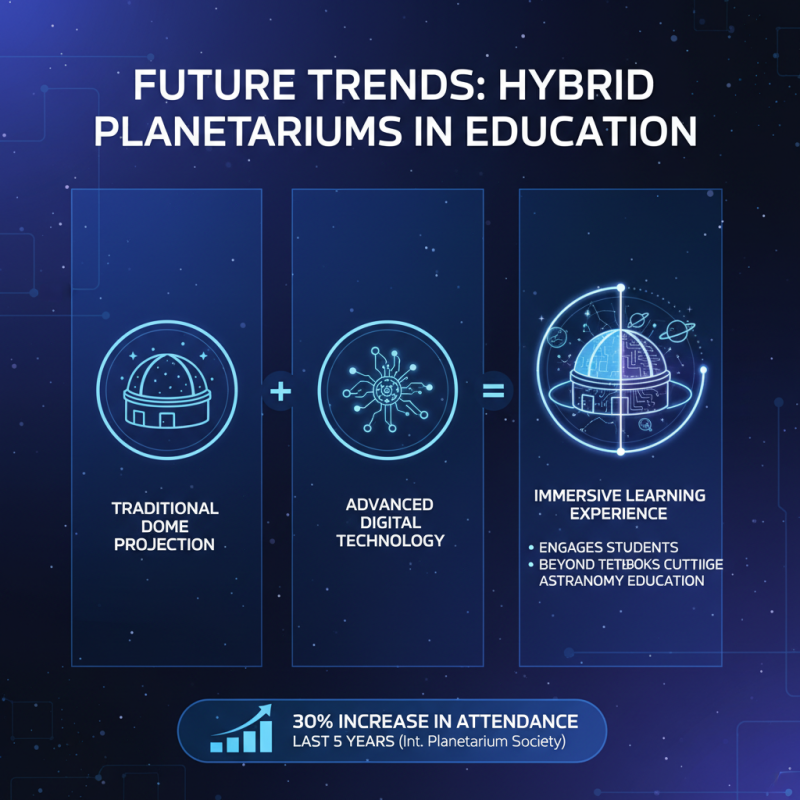
In a Hybrid Planetarium, traditional planetarium projections merge with cutting-edge digital displays. This results in more interactive and engaging sessions. Students no longer just passively watch; they actively participate in the learning process. For example, a simple simulation of planetary orbits becomes an exciting journey through the solar system.
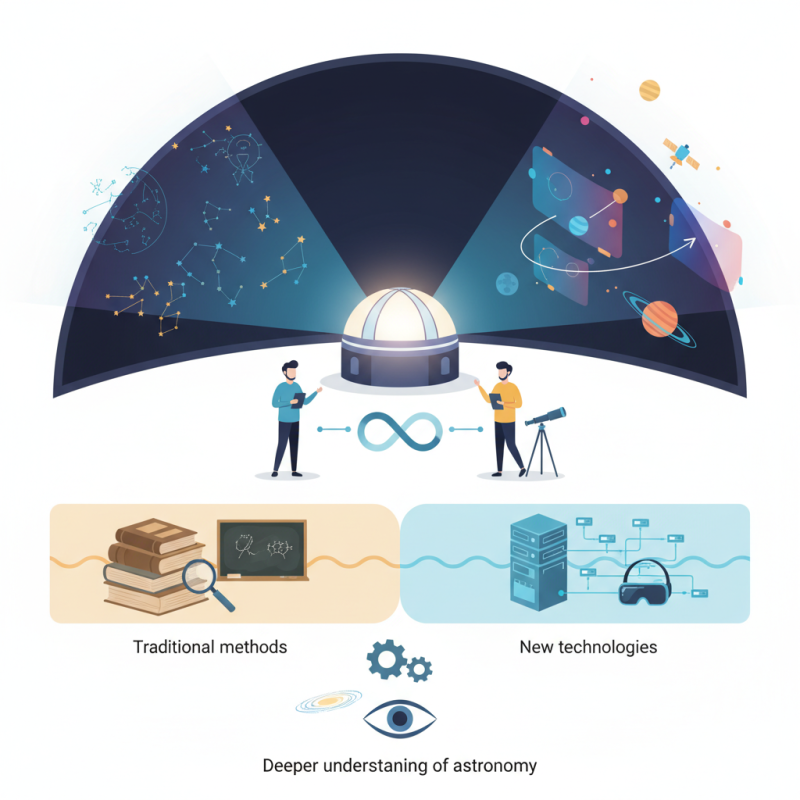
However, there are challenges to consider. Not all institutions can afford the latest technologies. There can be a steep learning curve for educators. It is crucial to find a balance between traditional methods and new technologies. This ensures that all students benefit from the enhancements Hybrid Planetariums offer. Ultimately, the goal is to inspire a deeper understanding of astronomy.
What Defines a Hybrid Planetarium in Astronomy Education?
A hybrid planetarium combines traditional star projection with digital technology. This fusion creates immersive experiences that engage audiences in active learning. Students can explore the night sky beyond what is visible to the naked eye.
In a hybrid planetarium, the use of sophisticated software allows for dynamic simulations of celestial events. Imagine watching a supernova explosion or a distant galaxy formation. Such visuals capture attention and foster curiosity. However, the reliance on technology can present challenges. Not all educators may feel comfortable with new tools. Training is essential for effective implementation.
Moreover, accessibility remains a pressing issue. While hybrid planetariums enhance education, not every institution can afford cutting-edge equipment. This disparity raises questions about equity in astronomy learning. Making these resources available to a broader audience is crucial for fostering a love of science.
Key Technologies Powering Hybrid Planetariums: A Comprehensive Overview
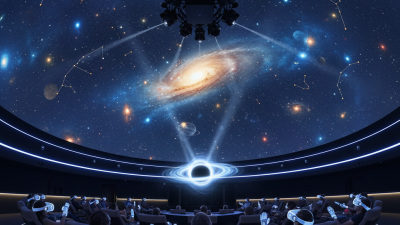
Hybrid planetariums blend traditional projection with cutting-edge digital technology. This combination allows for immersive experiences. The use of advanced software enhances the visualization of celestial events. Students can witness simulations of solar eclipses or the movement of planets. Such experiences reinforce theoretical knowledge, making concepts tangible.
Key technologies include digital projectors and 3D modeling tools. These systems provide high-resolution images of the night sky. They enable users to explore constellations in greater detail. Audio systems further enrich the learning environment. They create an engaging atmosphere where learning becomes an adventure. Audiences can feel the excitement of space exploration firsthand.
Despite their advantages, hybrid planetariums face challenges. Technical glitches can disrupt presentations. Furthermore, the content may not always be updated. There is also the risk of overwhelming learners with information. Balancing engagement and educational depth is crucial. Feedback from attendees can lead to improvements. Continuous refinement is essential for maximizing the benefits of hybrid planetariums.
Hybrid Planetarium Technology and Its Impact on Astronomy Education
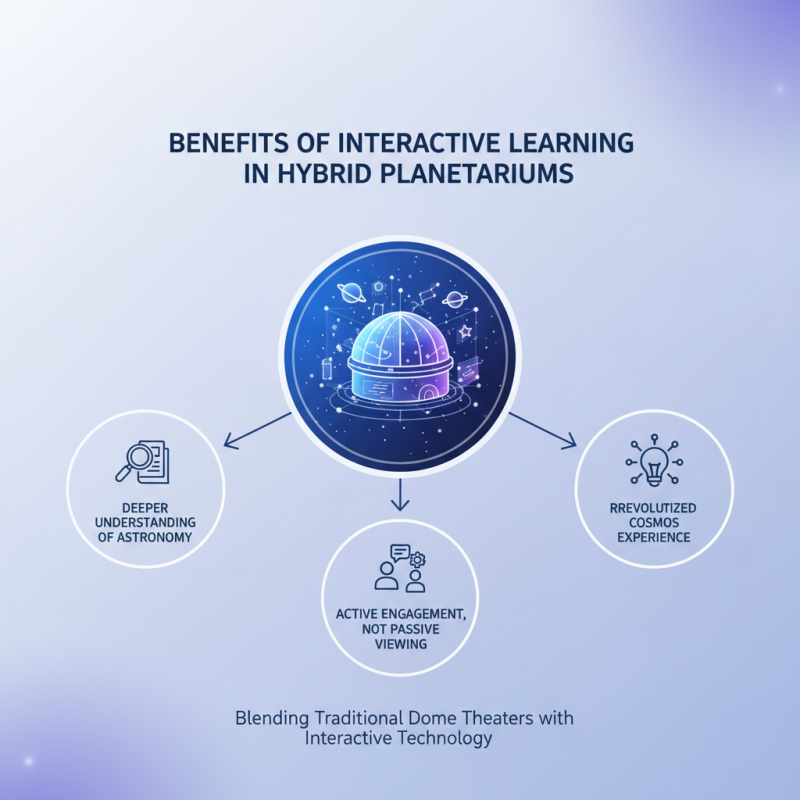
Benefits of Interactive Learning in Hybrid Planetariums
Hybrid planetariums blend traditional dome theaters with interactive technology. This combination revolutionizes how we experience the cosmos. Instead of passive viewing, visitors actively engage with the material. This method facilitates a deeper understanding of astronomy.
Interactive learning in hybrid planetariums offers several benefits. For instance, students can manipulate models of celestial objects. They can simulate planetary motions, making complex concepts more accessible. Touchscreens allow for hands-on exploration, turning abstract theories into tangible experiences. This active participation reinforces learning and retention.
However, this approach may not work for everyone. Some may find the constant interaction overwhelming. Traditional lectures hold value for auditory learners. Also, the technology can sometimes malfunction, disrupting the experience. Reflection on these challenges is vital for improving educational strategies and ensuring the effectiveness of hybrid planetariums.
Case Studies: Successful Implementations of Hybrid Planetariums
Hybrid planetariums are transforming astronomy education by blending traditional dome presentations with immersive digital experiences. One such successful implementation is found in educational institutions that have integrated hybrid technology. These spaces allow students to engage with real-time astronomical data while enjoying stunning visualizations. This encourages deeper understanding and retention of complex concepts.
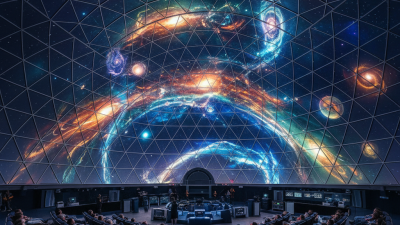
In one case, a university installed a hybrid planetarium that uses extensive projection mapping. Students can see detailed star maps that respond dynamically to their interactions. This not only captivates their attention but also fosters curiosity about celestial phenomena. Educators noted improvements in student participation and enthusiasm for astronomy. The integration of hands-on experiments also enhances learning, making concepts more tangible.
Tips: When selecting or advocating for a hybrid planetarium, consider the learning goals of your target audience. A tailored approach can yield better results. Additionally, providing opportunities for students to create their content can empower them and boost engagement. Maintaining a balance between technology and pedagogy is crucial for maximizing educational effectiveness.