Inquiry
Form loading...
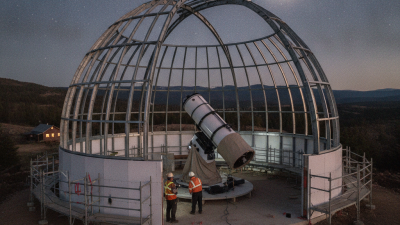
A Telescope Dome Structure is more than a protective shell above an observatory. It is a moving environmental system that shields sensitive optics from rain, wind, dust, and sudden temperature changes. Its rotating dome follows the telescope’s viewing direction. A narrow slit opens toward the selected region of the sky. Motors, gears, sensors, and control software coordinate this movement with remarkable precision.
“The dome is part of the telescope,” observed Dr. David L. Crawford, a pioneer in modern observatory design. His statement remains practical today. Even an advanced telescope can lose accuracy inside a poorly designed enclosure. Warm air may rise across the mirror. Vibrations may travel through the floor. A misaligned slit can restrict observation at critical angles. Small faults become large problems.
This article examines how a Telescope Dome Structure works, from its curved panels and rotation tracks to its ventilation and weather-response systems. It also considers fixed, rotating, retractable, and inflatable designs. Each option solves different operational challenges. None is perfect.
A well-designed dome feels almost invisible during observation. Its motors move quietly. Its sensors react before clouds arrive. Its interior stays dark and stable. Yet maintenance remains unavoidable. Seals wear out. Bearings collect dust. Software can fail at the worst moment. That uncomfortable reality matters. Reliable astronomy depends not only on beautiful engineering, but also on inspection, testing, and honest attention to weaknesses.
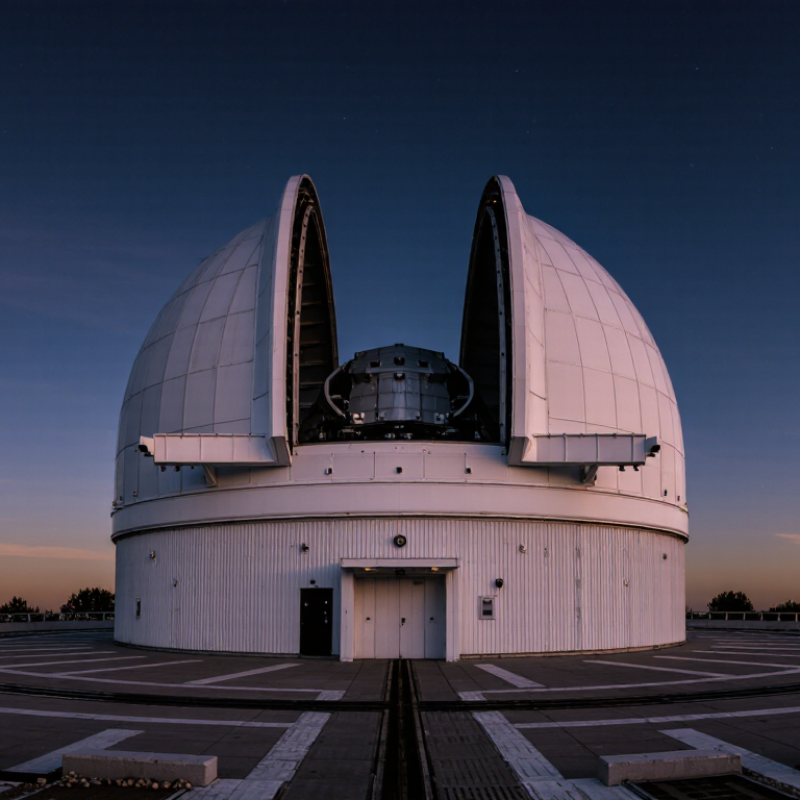
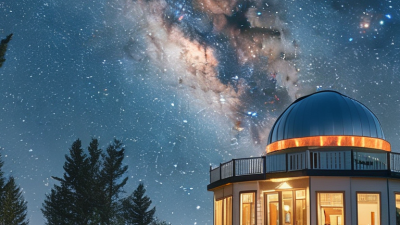
A telescope dome is a movable enclosure built around an astronomical telescope. Its rounded roof usually includes a narrow opening called a slit. The structure shelters sensitive instruments from rain, dust, wind, and sudden temperature changes. It also limits stray light, which can wash out faint stars. In practical terms, the dome is both a protective building and a working part of an observatory. It is not merely decoration.
During an observing session, motors rotate the dome while the telescope tracks a target across the sky. The slit stays aligned with the instrument’s viewing direction. This arrangement provides a clear path without exposing the entire mount to weather. Ventilation fans may release warm air before observations begin. That step matters because heat rising from the floor can blur images. Operators also monitor humidity, wind speed, and cloud conditions. Small errors can become expensive problems.
A well-designed dome must balance strength, movement, access, and maintenance. Its curved shell reduces wind pressure, while seals help prevent water entering through the slit. Emergency controls matter when power or communications fail. In field practice, smooth operation depends on routine inspection. Bearings need cleaning, sensors need testing, and drainage needs attention. The design is never perfect. A dome may protect the telescope, yet it can trap heat when airflow is poorly planned. Engineers adjust its structure to the local climate, telescope size, and observing habits.
| Structure or Feature | Primary Purpose | How It Works in an Observatory |
|---|---|---|
| Telescope Dome | Protects the telescope and observing equipment from weather, dust, sunlight, and unwanted heat. | The enclosure surrounds the telescope while providing a controlled opening through which the instrument views the sky. |
| Rotating Dome | Keeps the viewing opening aligned with the region of sky being observed. | A circular track and drive system rotate the dome around a vertical axis. The telescope itself can then track an object without the dome blocking the view. |
| Viewing Slit | Creates a clear optical path between the telescope and the sky. | The slit is an elongated opening in the dome. Its width and height are designed to expose the telescope while maintaining protection from wind and weather. |
| Slit Doors | Open the observing path and close the enclosure when observations are finished. | Motorized or manually operated doors move along guides. Interlocks may prevent unsafe movement when the telescope or dome is not correctly positioned. |
| Dome Rotation Drive | Moves the dome smoothly and positions the slit over the telescope. | Electric motors, gears, wheels, or friction-drive assemblies rotate the dome. A control system can synchronize dome movement with telescope pointing data. |
| Azimuth Position Sensor | Reports the dome’s horizontal orientation. | Encoders or other position sensors measure the dome angle. The controller compares this position with the telescope’s azimuth and commands corrective movement when necessary. |
| Structural Frame | Supports the dome shell, doors, tracks, equipment, and environmental loads. | Ribs, rings, beams, and connection points distribute loads caused by the dome’s weight, wind, snow, and maintenance activities. |
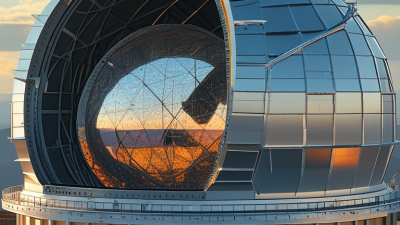
| Dome Shell | Forms the protective exterior barrier around the observatory. | The shell is commonly built from lightweight panels over a structural frame. Its curved geometry helps shed rain and can reduce wind resistance compared with flat surfaces. |
| Circular Track and Bearings | Support the rotating enclosure and guide its movement. | Load-bearing wheels, rollers, or bearing systems run on a circular track at the base of the dome, allowing controlled rotation around the telescope pier. |
| Telescope Pier | Provides a stable foundation for the telescope and limits vibration. | The pier is usually isolated from surrounding floors or walkways so that footsteps, machinery, and building movement have less effect on precise observations. |
| Weather Sensors | Detect conditions that could threaten equipment or observation quality. | Sensors may monitor rain, humidity, wind speed, cloud cover, temperature, and lightning risk. The control system can close the slit automatically when conditions become unsafe. |
| Ventilation System | Reduces temperature differences and air turbulence around the telescope. | Louvers, vents, or fans release stored heat from the enclosure. Keeping the dome near the outdoor temperature helps reduce image distortion caused by rising warm air. |
| Control System | Coordinates dome rotation, slit movement, telescope pointing, and safety functions. | Software receives telescope coordinates and sensor data, then operates motors and doors according to programmed limits, operating modes, and safety conditions. |
| Wind Protection | Reduces wind exposure and helps stabilize the telescope during observations. | The dome blocks wind from many directions, while the slit opening is positioned away from strong airflow when possible. Wind limits may trigger automatic closure. |
| Thermal Control | Maintains an internal environment that supports stable image quality. | Insulation, reflective exterior finishes, ventilation, and pre-cooling or nighttime equilibration reduce heat buildup and convection near the optical system. |
| Safety Interlocks | Prevent collisions, unsafe operation, and exposure of equipment to severe weather. | Limit switches, emergency stops, position checks, and software rules can stop motion if the dome, slit, telescope, or weather conditions are outside safe limits. |
| Typical Dome Forms | Match the enclosure design to the telescope size, climate, access requirements, and budget. | Common forms include hemispherical domes, cylindrical or polygonal rotating enclosures, and roll-off roofs. A roll-off roof moves aside instead of rotating around the telescope. |
| Observation Sequence | Provides a repeatable method for opening, tracking, and securing the observatory. | A typical sequence includes checking weather, opening the slit, rotating the dome to match telescope azimuth, tracking the target, and closing the enclosure after the session. |