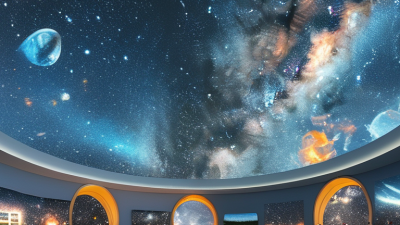
Ultimate Tips for Choosing the Best Dome Planetarium Solutions?
Choosing the best Dome Planetarium solutions can be overwhelming. With many options available, making the right choice matters significantly. A Dome Planetarium is not just a structure; it's an experience. This venue needs to captivate audiences and spark curiosity.
When selecting a Dome Planetarium, consider the quality of projection and sound systems. Users often overlook these aspects, but they are fundamental. High-quality visuals create a stunning environment for learning and exploration. Poor audio can ruin immersive experiences, leaving visitors unimpressed.
Equally important is the space’s design and layout. A well-planned Dome Planetarium enhances audience engagement. However, some designs may hinder visibility or comfort. Reflect on your unique needs. Collaborate with experts to ensure your Dome Planetarium meets expectations. Choices may seem daunting, but taking the time to research pays off.
Understanding Dome Planetarium Types and Their Applications
Choosing the right dome planetarium requires an understanding of different types available. There are inflatable, rigid, and hybrid models.
Inflatable planetariums are portable and often appeal to educational organizations. Rigid domes are more permanent and typically used by museums and larger institutions.
According to a report from the International Planetarium Society, approximately 60% of planetariums globally are built around the educational field. This highlights the importance of selecting a model that serves specific purposes.
Hybrid models combine features of both the rigid and inflatable types, providing flexibility and durability. They can be tailored for various applications, such as public outreach and professional presentations.
The size of the dome and the quality of the projection system are also crucial factors. Many users report challenges with bright ambient light, which can affect visibility. Reports have shown that 75% of users wish for better light control options.
This indicates a need for further innovation. Each type has its strengths and weaknesses. You'll want to weigh these carefully based on your particular needs.
Key Features to Consider When Choosing a Dome Planetarium
When selecting a dome planetarium, consider key features that influence your experience. The size of the dome greatly impacts the immersive quality. A larger dome allows for expansive projections, enhancing the audience's engagement. Think about the seating arrangement as well. Comfortable, adjustable seating can make a significant difference in viewer comfort during long shows.
Next, focus on the projection technology. High-resolution projection systems deliver stunning visuals, capturing attention effectively. You might want a system that accommodates various formats, including 3D. Sound quality is also essential; a reliable audio system can enrich the experience.
Moreover, consider the ease of use for operators. An intuitive control interface simplifies presentations. If technology setup is complex, it can lead to delays and frustration. Reflect on how these features align with your goals. Finding the right balance is crucial for delivering an unforgettable experience.
Evaluating Space and Location Requirements for Your Planetarium
When choosing a dome planetarium, evaluating the space and location is crucial. The American Association of Planetarium Educators states that many planetariums fail to utilize their space effectively. A well-planned layout enhances visitor engagement. Understand the minimum space requirements for your planetarium, as most dome setups need at least 300 square feet. Optimize seating arrangements for immersive experiences. Smaller domes can limit attendance but often create intimate settings.
Consider your location's audience too. Population density impacts visitor numbers. According to industry reports, areas with 100,000 residents can attract over 30,000 visitors per year. Also, assess accessibility. Is the site near public transport? Can visitors access it easily without parking difficulties? A study highlighted that accessibility boosts visitor numbers significantly. If the site lacks these features, reconsidering may be necessary. The right location should invite exploration and learning, not barriers.
Acoustic and environmental conditions matter as well. Noise pollution from outside can disrupt shows. A study by the International Planetarium Society found that rooms with optimal acoustics enhance viewer satisfaction. Evaluate natural light infiltration too, as it affects projection quality. Choosing a location that aligns with these criteria can elevate the educational experience.
Tech Specifications: Projectors and Audio Systems for Optimal Experience
Selecting the right projector is crucial for an immersive dome planetarium experience.
Brightness is one of the key aspects. Look for projectors with at least
4000 lumens for vivid images.
Resolution also matters. A minimum of
1920x1080 pixels ensures clarity. Don't overlook the projection technology.
DLP or LCO projectors both offer distinct advantages and can enhance the viewing experience.
Audio systems play an equally significant role. High-quality sound enhances
the atmosphere in a planetarium. Aim for
surround sound systems to create an enveloping audio experience.
Consider the space’s acoustics. A poorly designed sound setup can lead to muddled audio. Testing the audio in
the actual environment is essential. Subwoofers can add depth to sound but must
be carefully placed.
Be mindful of your budget. Investing in cutting-edge technology can be tempting. However, high price tags don’t
always guarantee superior experiences. It's vital to research and compare options. Read reviews and speak to other
users. Their experiences can guide your choices. Balancing technology and budget
is an ongoing challenge.
Budgeting and Maintenance Tips for Dome Planetarium Solutions
When considering dome planetarium solutions, budgeting and maintenance hold significant weight. A 2021 industry report revealed that planetarium equipment can range from $10,000 to over $1 million. Developing a financial plan before purchase is critical. Allocate funds not only for the initial investment but also for ongoing costs like software updates and replacement parts.
Maintenance is essential for longevity. Routine checks can prevent small issues from becoming costly repairs. Establish a maintenance schedule that includes cleaning projectors and checking audio systems. Regular inspections can extend the lifespan of your investment. Also, consider retraining staff periodically. A well-trained team can identify issues early, saving you money in the long run.
Tips: Emphasize sustainability. Many newer models are energy-efficient. This choice can result in long-term savings. Also, engage with local educational institutions. Collaborations can yield shared resources, reducing overall costs. Implementing these strategies raises efficiency and potentially attracts more visitors, ensuring a vibrant planetarium experience.