China Top 10 Double Arc Forming Machine Suppliers?
Choosing among China’s top Double Arc Forming machine suppliers requires more than comparing catalog prices. A reliable supplier should demonstrate stable production capacity, documented quality controls, and practical experience with forming equipment. Factory visits, sample inspections, and technical discussions often reveal more than polished websites. Look closely.
This guide introduces ten Chinese suppliers associated with Double Arc Forming machine production and industrial forming solutions. Their capabilities may differ in machine structure, forming diameter, automation, tooling options, and after-sales support. Some companies may excel in customized engineering, while others focus on standardized equipment and faster delivery. These differences matter on a real production floor, where alignment, repeatability, and maintenance access affect daily output.
The evaluation considers manufacturing experience, engineering expertise, certifications, customer communication, export records, and service responsiveness. It also recognizes an important limitation: supplier rankings are not permanent, and public information may remain incomplete. A company with impressive equipment may still provide weak documentation or slow spare-parts support. That possibility deserves attention.
Readers should verify technical claims through drawings, factory evidence, reference projects, and written specifications. Ask about forming accuracy, material compatibility, cycle time, operator training, installation, and warranty terms. A useful supplier should explain limitations clearly, not only highlight strengths. This introduction provides a practical starting point for comparing China’s leading Double Arc Forming machine suppliers with greater confidence and fewer costly assumptions.
What Is a Double Arc Forming Machine?
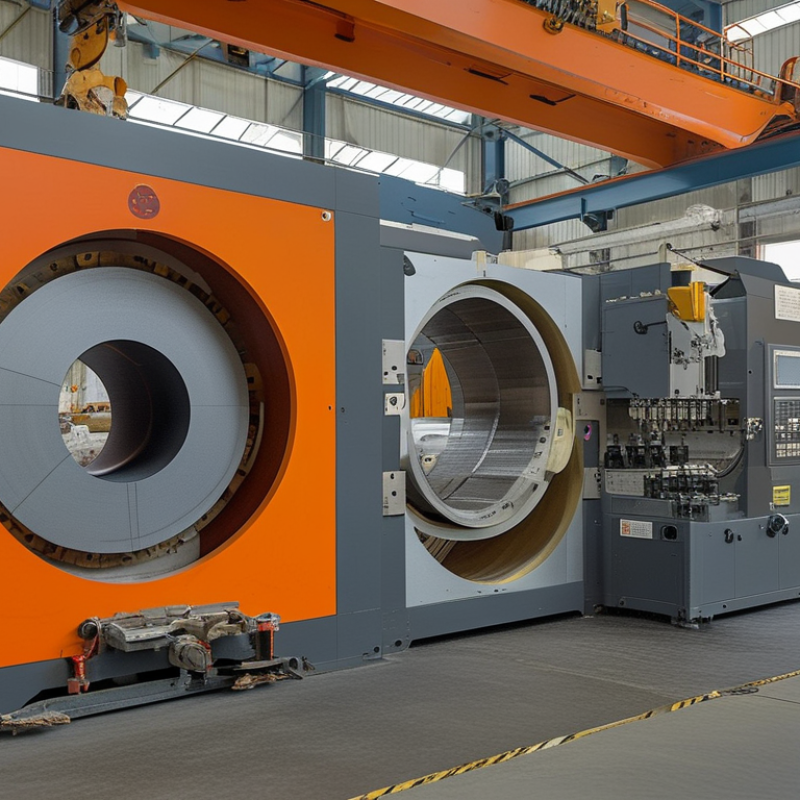
A double arc forming machine shapes metal into two controlled arcs during one working cycle. Its paired rolls, matched dies, or synchronized hydraulic cylinders guide the workpiece through a repeatable curve. The machine can produce symmetrical arches, curved frames, channels, or ring-like sections. The exact process depends on material grade, thickness, profile size, and required bend radius.
In practice, operators must manage springback carefully. High-strength steel may return slightly after forming. That small deviation can affect welding, alignment, and assembly. According to the World Steel Association, global crude steel production reached about 1.89 billion tonnes in 2023. This large material base supports demand for efficient forming equipment, but it does not measure double arc machines directly. The International Federation of Robotics reported 541,302 industrial robots installed worldwide in 2023. This trend shows stronger interest in automation, although a forming machine still needs skilled setup and inspection. Automation is not a complete substitute for experience.
Tips: Check the machine’s maximum thickness, arc radius, working width, and axis synchronization. Request a trial using your actual material. Measure the finished arc at several points, not only at the ends. Review guarding, emergency stops, and risk controls against applicable machinery standards. Supplier claims may sound precise, but real production results can differ. That part deserves honest testing.
How to Evaluate Chinese Double Arc Forming Machine Suppliers
Evaluating Chinese double arc forming machine suppliers requires more than comparing catalog prices. Start with the forming specification: pipe diameter, material grade, wall thickness, arc radius, and required dimensional tolerance. Ask each supplier to process your actual samples. A clean showroom demonstration is not enough.
Inspect the machine frame, forming rolls, hydraulic system, electrical cabinet, and safety controls. Check whether roll adjustment is manual or automated. Request production videos, inspection records, and a detailed list of included spare parts. Reliable suppliers should explain forming speed, setup time, expected tool life, and maintenance intervals without vague promises. Factory audits can reveal practical details, such as poor cable routing or limited testing space. These details matter.
Tips: Compare identical technical specifications. Request a written acceptance standard. Verify whether the quoted price includes tooling, installation guidance, training, and shipping protection. Contact recent customers and ask about accuracy after six months, not only delivery speed. A supplier with documented quality procedures is usually easier to manage, but certificates alone cannot prove machine performance. Test repeatability across several cycles. Small inconsistencies may become expensive during continuous production. Also, leave room for doubt. A polished quotation may hide unclear tolerances, delayed spare parts, or weak technical support. Confirm every assumption in writing before placing an order.
Profiles of China’s Top 10 Double Arc Forming Machine Suppliers
Profiles of China’s Top 10 Double Arc Forming Machine Suppliers
China’s double arc forming machine sector serves large-diameter welded pipe production, energy projects, and structural engineering. The World Steel Association reported China produced about 1.005 billion tonnes of crude steel in 2024. That scale supports a deep equipment supply chain, but output alone cannot prove machine quality.
This profile compares ten leading supplier types through engineering history, forming accuracy, automation, and after-sales capability. Machinery with hydraulic edge control can reduce plate misalignment during forming. Typical evaluation also covers forming pressure, pipe diameter range, welding compatibility, production speed, and changeover time. According to ResearchAndMarkets industry forecasts, demand for automated metal-forming equipment is expanding as factories seek lower labor dependence and more consistent output. The figures are useful, but they do not replace factory audits.
Reliable suppliers usually provide layout drawings, commissioning records, operator training, and spare-parts planning. Their machines should support traceable inspection data and accepted production standards, such as ISO 3183 requirements for line pipe applications. Export experience matters too. Customs documentation, remote diagnostics, and response time often decide whether downtime lasts hours or weeks. Some suppliers present impressive specifications, yet omit forming-tolerance data. That is a weakness. Buyers should request test pieces, load curves, reference installations, and a clear warranty scope. The ranking is not flawless. Supplier capacity can change quickly, and published case studies may need independent verification.
Key Products, Technologies, and Industry Applications
China’s top ten double arc forming machine suppliers serve demanding metalworking sectors. Their equipment commonly forms two matching arcs in one controlled cycle. This improves repeatability for tubes, frames, rings, and structural profiles. Buyers should examine forming diameter, material thickness, hydraulic force, and programmable axis control.
Key technologies include CNC motion systems, servo-driven feeding, automatic die adjustment, and digital angle compensation. Some machines include laser measurement for checking arc symmetry during production. Others use hardened tooling and reinforced frames for continuous factory work. A reliable supplier should provide sample forming, dimensional reports, installation guidance, and operator training. Ask for cycle-time data under real material conditions, not only catalog figures.
Applications range from automotive exhaust components to greenhouse frames, lighting structures, furniture parts, and construction profiles. In factory audits, inspect weld quality, cable protection, guarding, and maintenance access. These details affect downtime more than polished brochures. No supplier is perfect. A low quotation may hide expensive tooling or weak after-sales support. I would also test small-radius forming before signing a large order. Thin aluminum can wrinkle, while high-strength steel may spring back unexpectedly. Supplier rankings can change after service response, spare-part availability, and production testing are compared. That uncertainty deserves attention.
How to Select the Right Supplier for Your Production Needs
China Top 10 Double Arc Forming Machine Suppliers?
Selecting the right supplier requires more than comparing machine prices. A double arc forming machine should match your tube material, diameter range, wall thickness, and target output. Ask for production samples using your actual material. A polished demonstration can hide forming defects.
Cycle time matters, but repeatability matters more. Check arc accuracy, springback control, tooling life, changeover time, and reject rates. Request a factory acceptance test with written measurements. The supplier should provide electrical drawings, operating manuals, spare-parts lists, and operator training. These details reduce downtime after installation.
Data supports a practical evaluation. The IFR World Robotics 2024 report recorded 470 industrial robots per 10,000 manufacturing employees in China during 2023. This indicates strong automation capability, but it does not prove every supplier offers reliable integration. Deloitte’s 2024 Smart Manufacturing survey found that 86% of manufacturing leaders expect smart manufacturing to become a major competitiveness driver within three years. Your supplier should therefore explain data collection, remote diagnostics, and control-system compatibility.
Do not judge service by promises alone. Contact recent customers and ask about response times, tooling repairs, and unresolved faults. Compare total ownership cost, not only the quotation. A cheaper machine may need longer setup time. That weakness is easy to miss. Certification documents, warranty limits, installation support, and local technicians deserve equal attention. A supplier may look strong on paper, yet fail during a demanding night shift.