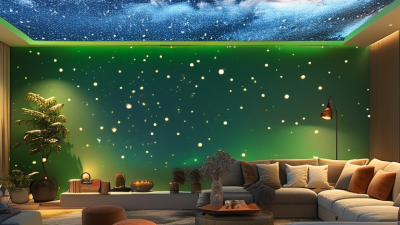
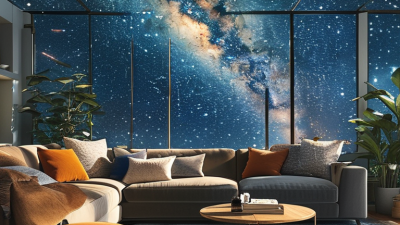
Why Is the Sky Star Projector So Popular?
Why Is the Sky Star Projector So Popular? The appeal is easy to picture: a bedroom ceiling shifts from plain white to a field of colored stars, while a soft glow replaces the harshness of a bright overhead lamp. For many people, the Sky Star Projector offers an affordable way to change a room’s mood without rearranging furniture or repainting walls. Some models add rotating patterns, adjustable brightness, or built-in sound, making them useful for quiet evenings, themed rooms, and bedtime routines. Small details matter. A remote control can save a trip across the room, while a noisy motor may quickly spoil the atmosphere.
Popularity, however, does not mean every projector suits every home. Light coverage, focus, controls, and operating noise vary between models, so product descriptions should be checked against real needs. A compact unit might create a pleasing glow near a bed but leave a large ceiling unevenly lit. And projections can look less vivid in a bright room. Not always magical. User reviews can reveal practical strengths and drawbacks, but experiences differ, and advertised effects may look stronger in promotional images. It is also sensible to follow the maker’s placement and use instructions, especially around children. The device is a decorative light, not a proven sleep treatment. Its popularity may come from a simple combination: visual novelty, convenient controls, and an easy way to make an ordinary room feel more personal. Still, that effect is subjective—and sometimes the stars are just a little too bright.
What Is the Sky Star Projector?
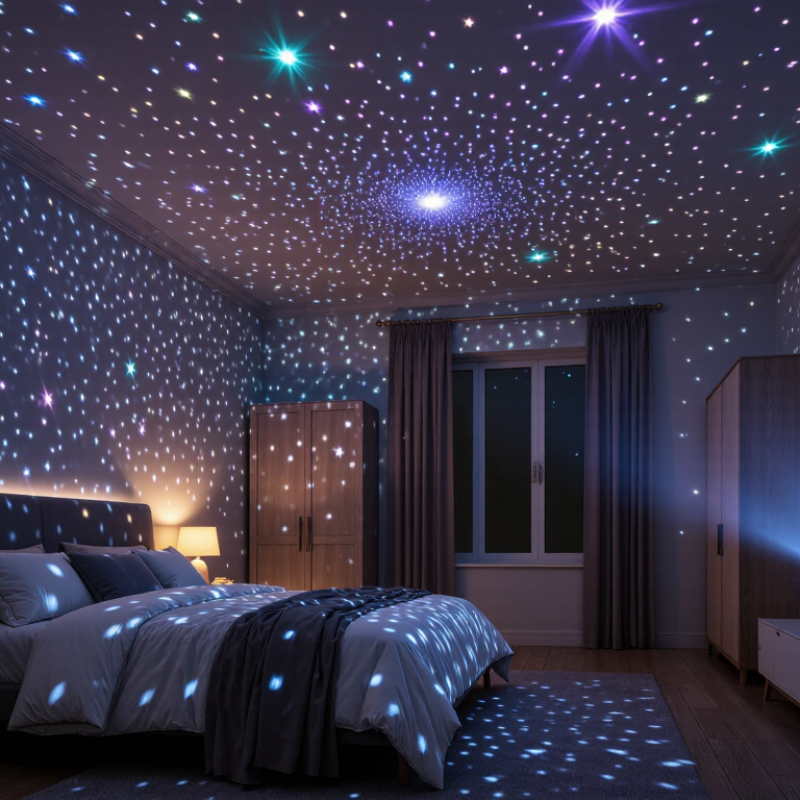
A sky star projector is a small indoor lighting device that casts star-like dots, colored clouds, or moving patterns onto walls and ceilings. Most models use LEDs, optical components, and sometimes a rotating mechanism to create motion. Some also include timers, brightness controls, or sound features. It is decorative lighting, not a telescope: the patterns are generated inside the device, rather than showing the actual night sky. The effect can be calming, though a busy pattern may feel distracting in a small room.
LED efficiency helps explain why this type of compact lighting is practical. The U.S. Department of Energy’s Energy Saver guidance says LEDs use at least 75% less energy and can last up to 25 times longer than incandescent lighting. That comparison concerns LED lighting generally, not projector-specific performance. In its 2023 Energy Savings Forecast of Solid-State Lighting report, the department estimated that broader LED adoption could save 569 terawatt-hours annually by 2035. That figure covers lighting across many uses, not star projectors alone. Check whether a projector’s brightness, rotation, and timer can be adjusted; specifications vary, and a motor may add a faint hum. Small detail. It is worth remembering that “starry” describes the visual mood, not the accuracy of the image.
How Does a Sky Star Projector Create Its Effects?
A sky star projector turns a small light source into a room-sized display. Many models use LEDs, while some add a low-power laser for sharper points. Inside, lenses shape the beams, and a patterned film or diffraction element spreads light into stars. A tiny motor may rotate that pattern, making the points drift across a ceiling. Slow movement can feel calming. It can also look slightly mechanical if the pattern repeats.
Colored clouds usually come from separate LEDs shining through a textured lens or diffuser. As the lens turns, the colors shift and soften, like blue light pooling near a bedroom wall. The exact effect depends on the optics, distance, and room brightness. A pale ceiling often shows more detail than a dark, uneven surface. Small room, big effect. Still, these projections are decorative, not accurate maps of the night sky. I’ve found that a little ambient light can make the scene feel more natural, though it also weakens the stars. That trade-off is easy to miss in product photos.
Why Is the Sky Star Projector So Popular? - How Does a Sky Star Projector Create Its Effects?
Note: Sky star projectors use different combinations of LEDs, lasers, lenses, patterned optics, and moving parts. Their projected scenes are decorative lighting effects, not precise astronomical displays.
Which Features Make It Appealing to Users?
Why Is the Sky Star Projector So Popular?
Which Features Make It Appealing to Users?
A star projector can change the feel of a room without taking up much space. Place one on a bedside table, point it toward a pale ceiling, and soft patterns can spread above the bed. Many models offer adjustable brightness, color choices, and slow movement. These controls let users choose a calm glow or a more vivid display.
Small details matter.
Timers and simple buttons make the device easier to use at night. A timer can switch the light off after a set period, so it does not need to stay on until morning. Some projectors also include sound options or remote controls. Those extras may be convenient, though they are not essential for everyone.
A confusing menu can spoil the mood.
The most appealing feature may be flexibility. A dim setting can suit quiet reading, while brighter colors can make a child’s room feel playful. Still, expectations should stay realistic: projected stars are light patterns, not a view of the actual night sky. Results also depend on ceiling color, room darkness, and projector placement. Even so, a few moving points of light can feel surprisingly soothing.
How Is It Used in Homes and Other Settings?
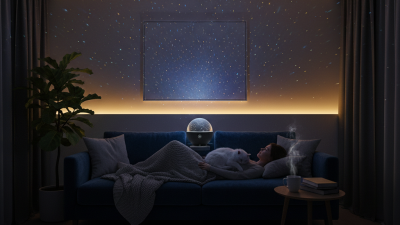
At home, a star projector often turns a plain ceiling into a softer focal point. In a bedroom, families may use it during quiet reading, bedtime routines, or low-key movie nights. A small unit on a dresser can cast moving points of light across the ceiling and upper walls. Keep it dim enough to avoid glare, and check whether its motion or color keeps anyone awake. It is atmosphere, not a proven sleep treatment.
The Global Wellness Institute’s 2024 Global Wellness Economy Monitor valued the wellness economy at $6.3 trillion in 2023, with growth projected in coming years. That broad figure does not measure projector sales, but it helps explain interest in home spaces designed for comfort. Outside bedrooms, projectors can add gentle visual texture to playrooms, relaxation corners, or small hospitality spaces. They work best as an accent, not the only light source. Still, the fit is not perfect: bright patterns may distract during work, and a device can feel gimmicky if left running all evening. The U.S. Department of Energy notes that LEDs use at least 75% less energy than incandescent lighting; actual projector consumption varies by model. Check the unit’s brightness, timer, and power details before choosing one.
Why Is the Sky Star Projector So Popular?
Common ways people use star projectors at home and in other settings
Bedrooms and living rooms are natural settings for ambient lighting, while parties and relaxation spaces can use projected patterns to create atmosphere. Ratings are qualitative use-case fit scores, not survey results or market-share data.
What Factors Have Driven Its Popularity?
A sky star projector turns a plain ceiling into a changing scene of colored light. That simple transformation suits bedrooms, reading corners, and small gatherings. Setup usually takes minutes, and the effect is easy to adjust. No renovation required. For renters and families, that low commitment can be a practical attraction.
The broader lighting market offers useful context, though it does not measure star projectors specifically. Grand View Research estimated the global smart lighting market at US$15.05 billion in 2022, with projected annual growth of 22.1% from 2023 to 2030. The Global Wellness Institute reported that the worldwide wellness economy reached US$6.3 trillion in 2023. These figures suggest growing interest in adaptable home environments, not proof that either trend directly caused projector sales.
Visual appeal also travels well through room-makeover videos and gift recommendations. A moving nebula across a wall is more striking on screen than an ordinary lamp. Still, the evidence is indirect. Some models have noisy motors, uneven focus, or colors that feel harsh after dark. It may be less magical in daylight. Buyers may value quiet operation and simple controls more than extra lighting modes, but those details are easy to overlook in polished product photos.