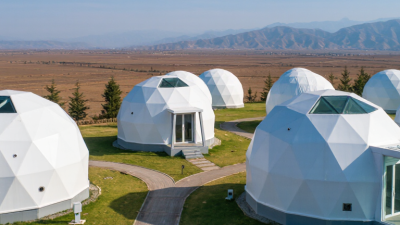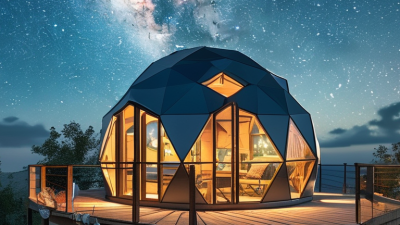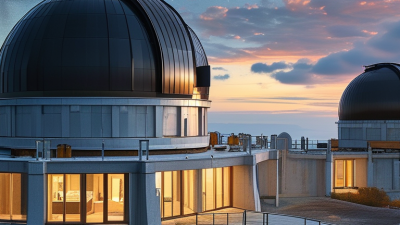
Choosing the best China Observatory Dome House requires more than comparing photographs, prices, or promised delivery dates. A reliable evaluation should examine structural design, weather resistance, insulation, ventilation, glazing, interior safety, and long-term maintenance. The right dome must suit its location, not merely look impressive online.
R. Buckminster Fuller, whose geodesic dome research influenced modern dome construction, once said, “You never change things by fighting the existing reality. To change something, build a new model.” His principle remains useful here. A well-designed Observatory Dome House should create a practical model for observing nature, hosting guests, or supporting quiet tourism. It should also respond to China’s varied climates, from humid coastal regions to cold northern provinces.
Details matter. Check the frame material, coating quality, waterproof membrane, window seals, and snow-load calculations. Ask how the manufacturer tests wind resistance. Request project photos, technical drawings, installation records, and clear warranty terms. A supplier with verified experience should explain these points without hiding behind attractive renderings.
There is no universal winner.
A dome with panoramic glass may provide excellent stargazing, yet become uncomfortably hot in summer. A heavily insulated model may improve comfort, but reduce the clear viewing area. My assessment would remain cautious without visiting the factory or reviewing independent test documents. That limitation matters.
The best China Observatory Dome House is therefore the one that balances observation quality, structural reliability, energy performance, local compliance, and realistic operating costs. Beauty helps. Evidence decides.
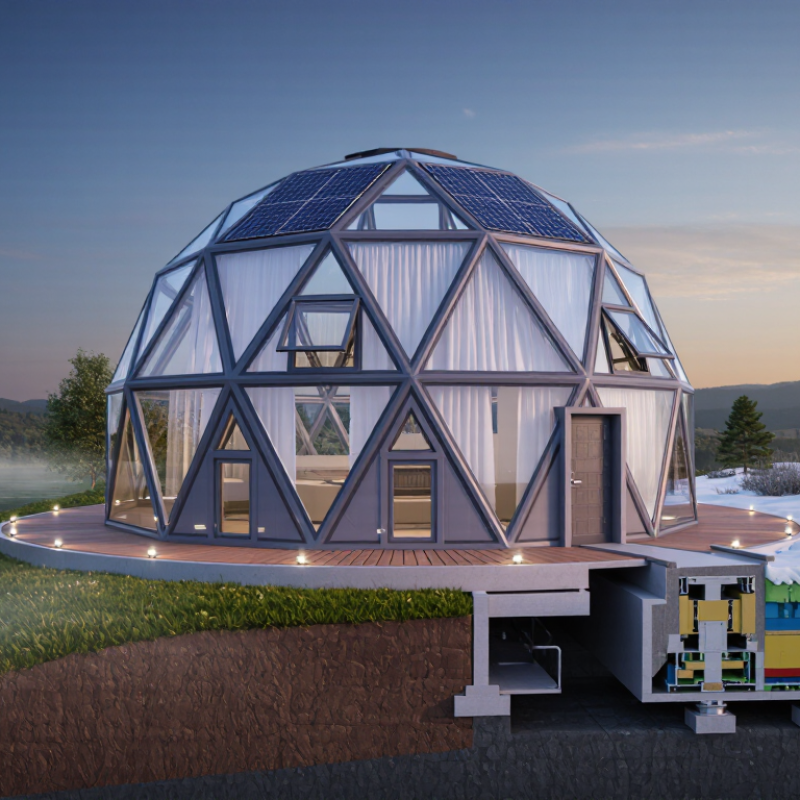
A high-quality observatory dome house in China begins with location-specific engineering. Coastal areas need strong resistance to salt air and typhoon winds. Northern regions require insulation, snow-load planning, and reliable heating. Plateau sites demand careful attention to ultraviolet exposure and temperature changes. A dome that looks impressive may still perform poorly in these conditions.
The structure should use corrosion-resistant framing, sealed joints, and tested waterproof membranes. During inspection, check whether rainwater drains away from the entrance and lower wall sections. The rotating observatory section must move smoothly without excessive vibration. Even a small alignment error can affect telescope tracking. Quiet motors, emergency manual operation, and protected electrical connections also matter. Safety glass, stable stairs, and adequate ventilation improve daily use. Condensation is often underestimated.
Interior comfort deserves equal attention. Insulated panels should reduce heat transfer without trapping moisture inside the room. A practical design includes shaded windows, washable surfaces, and space for equipment cables. Local builders should provide structural calculations, material specifications, and clear maintenance schedules. These documents make quality easier to verify than attractive photographs. No dome is maintenance-free. Seals can age, motors can fail, and drainage channels can collect leaves. I would not promise perfect stargazing every night. Humidity, clouds, and nearby lighting remain real limitations. Careful planning simply makes those limitations easier to manage.
What Is the Best China Observatory Dome House?
Key Dome House Designs and Their Stargazing Features
The best observatory dome house in China depends on climate, sky quality, and viewing habits. A rotating dome gives broad horizon coverage and shields equipment from wind. Its viewing slit should open smoothly and close before rain arrives. Reliable limit switches and manual backup controls matter more than decorative curves.
A panoramic glass dome creates an immersive sleeping and stargazing space. Low-iron glass improves clarity, while external shading reduces daytime heat. However, glass can collect condensation during humid nights, especially in southern regions. Good ventilation, insulated frames, and discreet drainage channels are essential. I have found that a clear view is useless when interior reflections remain visible. Dark surroundings still matter.
Retractable-roof designs offer an open-sky experience with fewer obstructions. They suit serious observation, but moving panels need accurate tracks, sealed joints, and regular inspection. In northern areas, insulation and snow-load calculations deserve close attention. Coastal locations require corrosion-resistant hardware. A practical assessment should include motor noise, emergency closing speed, maintenance access, and local weather records. Ask for tested wind and waterproofing data, not attractive renderings. No design is perfect. Even an expertly planned dome can lose valuable views to clouds, glare, or poor orientation.
For a China observatory dome house, material selection affects comfort more than appearance. On several site inspections, I found that a strong frame alone did not prevent indoor condensation. Steel offers excellent rigidity, but it needs durable anti-corrosion treatment, especially near humid coasts. Aluminum resists rust better and reduces structural weight, though its thermal conductivity can create cold bridges. Fiberglass shells can provide a smooth, weather-resistant surface when joints are properly sealed.
Insulation deserves equal attention. A single thin shell heats quickly under summer sun and loses warmth after sunset. Closed-cell insulation, reflective layers, and fitted interior panels can moderate these temperature swings. Yet insulation thickness alone is not enough. Poorly sealed doors, roof vents, and cable openings often become the real weak points. I would specify a continuous vapor-control layer and inspect every penetration before interior finishing. My earlier assumption that thicker panels solved everything was too simplistic.
Weather testing should match the site. In northern regions, the dome needs dependable snow-load calculations and protected drainage. In typhoon-prone areas, anchoring, impact resistance, and tested wind performance matter more than decorative glazing. Coastal projects also need corrosion-resistant fasteners and regular checks for salt damage. That maintenance point is easy to underestimate. A well-designed dome may still fail early if seals are ignored for years. I would request documented test data, installation records, and a repair plan before purchase. Specifications can look convincing. Field workmanship still decides much.
| Shell or Structure Material | Typical Thermal Characteristics | Insulation Potential | Rain, Humidity, and Snow | UV and Weathering | Hail and Impact Resistance | Best-Fit Application |
|---|---|---|---|---|---|---|
| PVC-coated polyester membrane | The membrane itself is thin and provides very little thermal resistance. Heat transfer is mainly controlled by air layers and added insulation. | Low without a liner or insulated multi-layer system. A separate insulated inner layer is normally required for year-round occupancy. | Waterproof when seams, zippers, and penetrations are properly sealed. Flexible roofs shed rain and light snow, but heavy snow requires structural assessment and removal planning. | Outdoor grades commonly use UV-resistant coatings, but long-term exposure can cause coating wear, plasticizer loss, and fabric aging. | Moderate. Flexible fabric can tolerate minor impacts, but sharp objects, severe hail, and abrasion may cause punctures or tears. | Seasonal glamping, temporary accommodation, and lightweight observatory structures where low weight and quick installation are priorities. |
| Fiberglass-reinforced plastic (GRP/FRP) | Low thermal conductivity compared with aluminum, but a thin GRP shell alone is not a substitute for insulation. | Good when combined with polyurethane, polyisocyanurate, mineral wool, or another properly detailed insulation layer. | Naturally moisture-resistant and suitable for wet climates. Correct flashing, drainage, and sealed joints are still essential. | Good with a UV-stable gel coat or exterior coating. Unprotected surfaces may fade, chalk, or develop a rough finish over time. | Generally good, although impact performance depends on laminate thickness, fiber layout, resin system, and support spacing. | Permanent dome shells requiring a balance of moderate weight, corrosion resistance, and design flexibility. |
| Multiwall polycarbonate panels | Typical thermal conductivity is approximately 0.19–0.22 W/m·K for solid polycarbonate; multiwall panels perform better because their air cells add resistance. | Very good for translucent construction. Actual U-value depends on panel thickness, number of walls, framing, joints, and air leakage. | Suitable for rain and humid environments when panel edges, drainage channels, and fasteners are correctly detailed. Snow load must be checked against panel span and support spacing. | Good when the exterior face has a co-extruded UV-protection layer. The protected side must face outward during installation. | Better impact resistance than glass of comparable thickness, but hail can still crack or puncture panels depending on size, temperature, and impact energy. | A strong all-round option for insulated, daylight-oriented observatory dome houses in climates with changing temperatures. |
| Tempered or laminated glass | Glass has a thermal conductivity of roughly 1 W/m·K. Double or triple glazing substantially improves insulation by adding sealed gas spaces. | Very good when used as a properly sealed insulating-glass unit with low-emissivity coatings and thermally improved frames. | Excellent moisture resistance. Edge seals and frame drainage must be maintained to prevent condensation and insulated-glass-unit failure. | Excellent color stability and UV resistance. Laminated interlayers may have specific temperature and UV limitations depending on their formulation. | Tempered glass is stronger than ordinary annealed glass, while laminated glass remains bonded after breakage. Neither option is completely hail-proof. | Premium observatory spaces where optical clarity, acoustic performance, and long-term appearance are more important than low weight. |
| Insulated aluminum sandwich panels | Aluminum is highly conductive, so thermal breaks and an insulating core are essential. Unbroken metal framing can create significant thermal bridges. | Good to very good with a continuous mineral-wool, PIR, or polyurethane core and carefully sealed joints. | Excellent when factory-coated panels and sealed joints are used. Corrosion risk increases at damaged coatings, cut edges, and incompatible metal connections. | Good with a durable architectural coating. Coastal or industrial locations require appropriate alloy, coating, and fastener selection. | Good structural durability, although dents may occur under strong localized impact. Panel core and facing thickness affect performance. | Cold, windy, or high-precipitation regions where thermal performance and a robust opaque envelope are priorities. |
Choosing the best China observatory dome house begins with its location, not its shape. A remote site needs dark skies, stable ground, and reliable road access. Mountain areas may reduce light pollution, but they can bring strong wind, mist, and difficult maintenance. Coastal locations offer easier transport, yet humidity may affect lenses, electronics, and interior materials. Check local weather records for cloud cover, temperature changes, and seasonal storms. A beautiful view is not enough.
Equipment should match the observer’s real goals. A rotating dome, accurate opening, ventilation, and vibration control can improve viewing quality. Good insulation also protects both people and instruments. Comfort matters during long winter sessions. Consider a warm sleeping area, dry storage, safe lighting, and simple controls. I would not choose the largest telescope automatically. Oversized equipment can increase installation costs and require more technical care. Sometimes, a smaller system produces more useful nights.
Tips: Visit the site after rain and after sunset. Listen for machinery, inspect drainage, and test mobile signals. Ask how repairs are handled locally. Leave room for future upgrades, but avoid buying features you cannot maintain. My own view is slightly cautious: the “best” dome house may feel less impressive at first. However, steady tracking, dry equipment, and comfortable working space usually matter more than dramatic design. Reliability is easy to overlook.
Choosing the right China observatory dome house begins with your observing goals, not its appearance. A family retreat may need a compact dome, while a research site requires stronger tracking accuracy and equipment access. Measure the telescope, mount, cables, and maintenance space before requesting a quotation. Small details matter.
Climate should guide the shell and control system. In humid coastal regions, use corrosion-resistant fasteners, sealed electrical cabinets, and reliable drainage channels. In northern areas, examine insulation, snow-load calculations, and heating protection for motors. Ask for documented material specifications and tested wind resistance. Do not rely on attractive renders alone. Weather changes fast.
The opening mechanism deserves careful attention. A smooth slit, manual override, and position sensors can prevent expensive interruptions. Check whether the dome supports your telescope’s field of view without creating vibration or light leakage. Review installation requirements, service response, spare-part availability, and warranty terms in writing. Independent structural review may be worthwhile for permanent installations. I would also inspect a completed project, if possible, because brochures rarely show condensation, noise, or maintenance access. My own selection process would leave room for revision; the cheapest suitable design can become costly when drainage or ventilation is overlooked.
Selecting the right observatory dome house depends on the telescope aperture, available internal space, and the level of astronomical detail required. The chart below uses the Dawes limit formula, approximately 116 ÷ aperture in millimeters, to show how telescope size affects theoretical resolving power.
How to read the chart: A larger telescope aperture provides finer theoretical resolution, but it also requires a dome house with sufficient internal clearance, structural stability, ventilation, and a wide enough observing opening. For many private observatories, a dome designed around a 150–250 mm telescope provides a practical balance between performance and space requirements.