What is a Hybrid Planetarium and How Can It Benefit You?
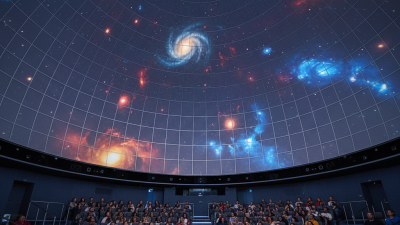
Exploring the cosmos has always fascinated humanity. The advent of the Hybrid Planetarium offers a unique way to experience this wonder. Blending digital projections with physical models, it creates immersive environments. Visitors can engage with galaxies, stars, and planets in real-time. This interactive experience sparks curiosity and encourages learning.
A Hybrid Planetarium is more than just a dome filled with stars. It combines cutting-edge technology and educational tools. Users can manipulate virtual tools, enhancing their understanding of complex concepts. This hands-on approach appeals to both young and older audiences. It encourages questions and discussions, promoting a deeper connection to astronomy.
However, the implementation of Hybrid Planetariums is not without challenges. They require significant investment in technology and staff training. Balancing the digital and physical elements can be tricky. Yet, the benefits are undeniable. They provide a platform for creativity, exploration, and scientific inquiry. Ultimately, a Hybrid Planetarium can inspire a new generation of astronomers and thinkers.
What is a Hybrid Planetarium: Definition and Overview
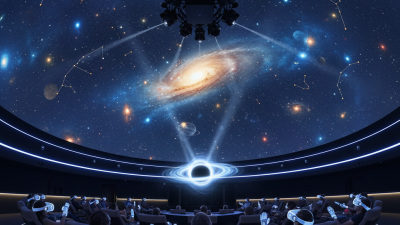
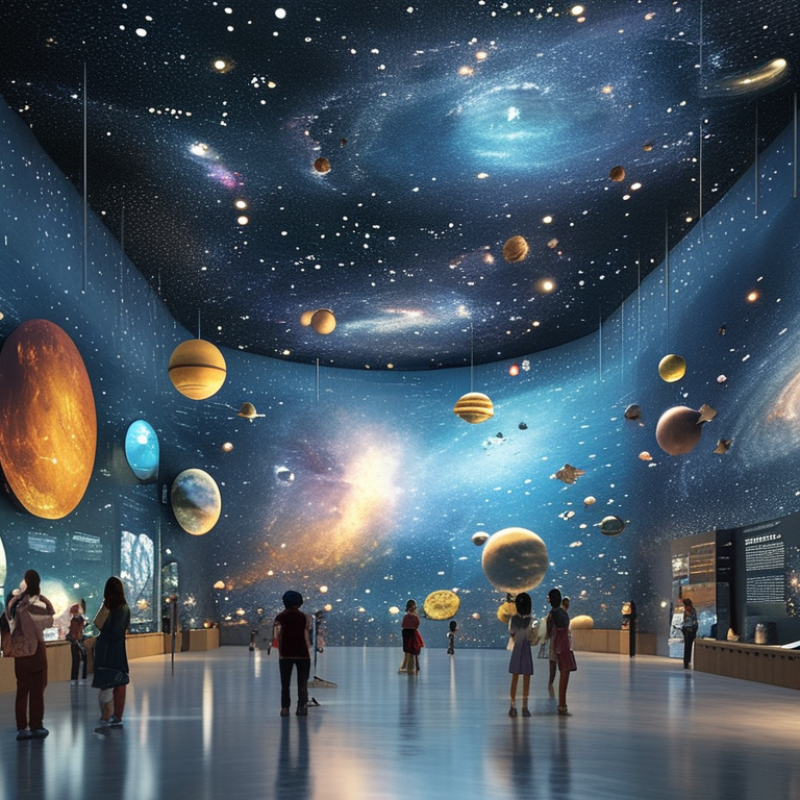
A hybrid planetarium blends traditional dome theater features with digital technology. This combination offers diverse experiences in astronomy education and entertainment. Users can engage with immersive shows that utilize high-resolution visuals and spatial audio for a captivating experience. The flexibility of a hybrid planetarium allows for varied programming, from stunning visuals of the cosmos to interactive educational sessions.
In a hybrid planetarium, visitors can enjoy both live presentations and pre-recorded content. This versatility enhances learning, especially for schools. Students can see the night sky in new ways, fostering curiosity about the universe. However, challenges exist. Content updates can be costly and require ongoing expertise. Staff must balance traditional storytelling with cutting-edge technology, which isn't always easy.
Moreover, while the immersive environment is engaging, not everyone finds it comfortable. Some visitors may feel overwhelmed by the visuals or the sound. This raises questions about accessibility. How do we ensure everyone enjoys the experience? Addressing these challenges can significantly improve the hybrid planetarium's impact on education and community engagement.
Key Features of Hybrid Planetariums Explained
Hybrid planetariums are unique installations that blend traditional projection techniques with modern digital technology. This combination creates immersive experiences. Visitors can witness stunning celestial displays alongside interactive educational content. The transition from one format to another is seamless. This versatility allows planetariums to cater to diverse audiences, from school groups to casual stargazers.
Key features of hybrid planetariums include high-resolution visual displays. These are often spherical or dome-shaped to simulate the night sky accurately. Advanced software allows for real-time simulations of astronomical events. Some systems even integrate data from current space missions. This feature helps audiences connect with cutting-edge research. It can make complex scientific concepts accessible and engaging.
In practice, hybrid planetariums often host workshops, lectures, and live demonstrations. These events encourage active participation. However, not every visitor may grasp the intricate content fully. This discrepancy raises questions about the effectiveness of the approach. It is vital to continually assess how well these venues meet educational goals. Striving for improvement in presentation styles can enhance overall experiences.
Comparative Advantages Over Traditional Planetariums
Hybrid planetariums combine digital and traditional projection methods, offering unique advantages. Recent reports indicate that these venues can increase engagement by up to 30%. This boost is largely due to immersive experiences that traditional planetariums often lack. By integrating advanced technology, hybrid planetariums provide diverse content. They can showcase high-quality visuals and interactive displays.
Accessibility is another critical factor. Hybrid systems adapt well to various audiences. Studies show that schools utilizing hybrid planetariums saw a 25% improvement in student retention rates. This adaptability makes learning more effective. Hybrid planetariums can cater to different age groups and educational levels, creating a more inclusive environment.
Cost efficiency is also significant. Operating a hybrid planetarium can reduce costs by around 15-20% compared to conventional setups. This is valuable for institutions with tight budgets. However, challenges exist in maintaining cutting-edge technology. Regular updates and staff training are essential for success. These factors may require additional investment, yet the overall benefits often outweigh the drawbacks.
Educational Benefits of Hybrid Planetariums for Students
Hybrid planetariums combine traditional projections with advanced digital technology. This unique integration creates immersive experiences for students. In a hybrid planetarium, learners are not just passive viewers. They actively engage with the universe around them.
The educational benefits are significant. Students can explore celestial phenomena up close. A real-time simulation allows them to visualize cosmic events. For example, they can witness the life cycle of stars or the intricacies of our solar system. This hands-on approach increases retention and understanding. Students are inspired to ask questions and seek answers actively. Hybrid planetariums also foster collaboration among peers. Group projects become more engaging when combined with rich, visual content.
Nonetheless, challenges exist. Some educators may feel overwhelmed by the technology. There can be a learning curve in managing the equipment. Access may be limited in some schools, hindering opportunities. It raises questions about equity in education. How can we ensure all students benefit? Addressing these issues is crucial as hybrid planetariums become a staple in modern education.
Future Trends and Innovations in Hybrid Planetarium Technology
Hybrid planetariums blend traditional star projection with digital technologies. This fusion offers a versatile learning environment. Users can explore the cosmos and dynamic storytelling.
The future of hybrid planetarium technology is set to innovate further. Augmented reality (AR) and virtual reality (VR) integration may transform user experiences. Imagine walking through ancient civilizations and standing on distant planets. It could enhance educational programs significantly. However, this technology isn’t without challenges. The costs of upgrading systems can be substantial.
Content will need constant updates to keep pace with advancements in science. Creating engaging and accurate narratives remains essential. Collaboration among experts in various fields is crucial. The potential for hybrid planetariums is vast but requires thoughtful implementation.