Inquiry
Form loading...

What Is the Best Telescope Dome Structure?

Choosing the best Telescope Dome Structure involves more than selecting an attractive shape. The correct design must protect sensitive equipment while supporting accurate observations. A rotating dome can track the sky smoothly and reduce wind exposure around the telescope. A roll-off roof can provide a wider horizon and simpler mechanical movement. Both designs have strengths. Real conditions matter.

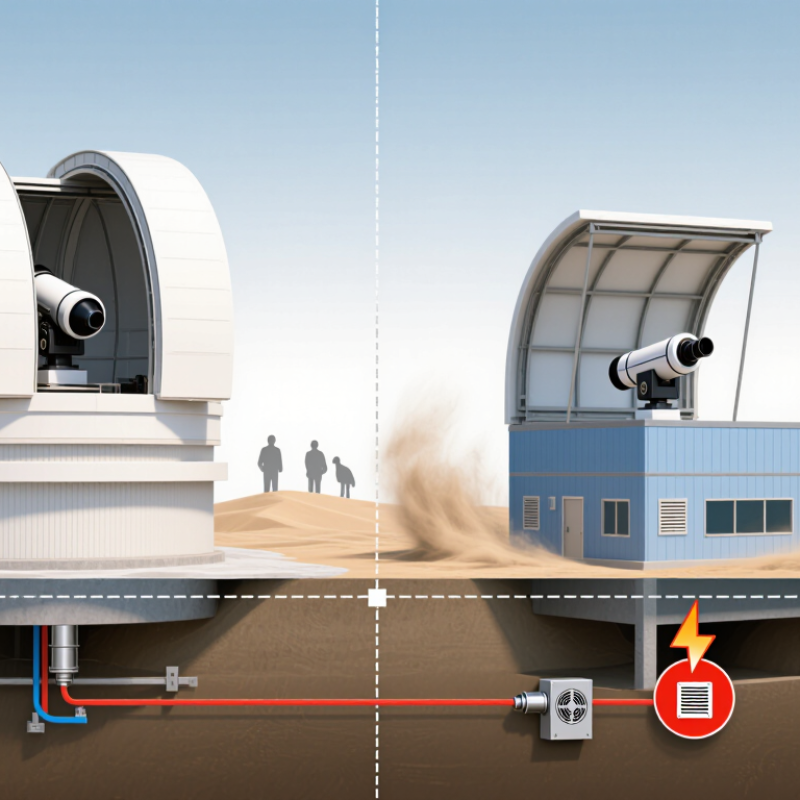
Local weather often decides the outcome. Heavy snow requires strong framing and carefully calculated roof loads. Coastal locations demand corrosion-resistant fasteners, sealed motors, and regular inspections. In dry regions, dust can enter through small gaps around doors and rotating rings. These details are easy to underestimate. They should not be.

This guide compares dome types through practical performance, construction quality, and long-term maintenance. It considers telescope clearance, ventilation, electrical systems, emergency access, and future equipment upgrades. Experienced observatory designers and structural engineers usually assess wind pressure, drainage, foundations, and local building requirements before construction begins. Those professional checks improve safety and reliability.

However, no blueprint fits every observatory. A compact backyard installation may favor a lightweight fiberglass dome. A research facility may require a reinforced structure with automated control and precise alignment. The most expensive option is not always the best. That is the difficult part.

A poorly balanced dome can strain its drive system and create vibration during imaging. Inadequate ventilation may produce condensation on mirrors after a cold night. Even a beautiful structure can fail its purpose if maintenance becomes inconvenient. The strongest decision comes from matching the structure to the telescope, climate, budget, and operator’s real experience. Some compromises will remain. Recognizing them early leads to a more dependable observatory.
What Is the Best Telescope Dome Structure?

Types of Telescope Dome Structures

What Is the Best Telescope Dome Structure?

Types of Telescope Dome Structures

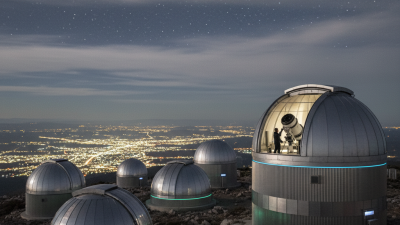
A rotating dome is a familiar choice for permanent observatories. Its circular shell turns around a fixed base. A narrow slit opens toward the sky. This design shields the telescope from wind, rain, and drifting dust. It also supports accurate observation during changing weather. However, the slit must align smoothly with the telescope. Poor tracking can interrupt an important session.

A roll-off roof structure offers a wider view of the sky. The roof moves along rails and exposes the entire telescope. This arrangement improves ventilation and reduces heat trapped inside the building. It suits amateur observatories and larger research sites with enough surrounding space. The rails need careful leveling. Even small debris can affect movement.

A clamshell dome opens in two large sections. It provides broad access and allows warm air to escape quickly. This can help reduce turbulence near the instrument. Yet, the moving panels require strong hinges and reliable weather seals. A fixed enclosure is simpler and often costs less. It protects equipment, but it limits viewing angles and demands good internal airflow.

In practice, the best structure depends on local wind, snowfall, humidity, and maintenance skills. A rotating dome may perform well in exposed regions. A roll-off roof can be better for calm, spacious sites. I have found that design assumptions often fail after the first harsh season. Drainage, access ladders, and emergency manual operation deserve equal attention. Small details matter.
Key Factors in Choosing a Telescope Dome

What Is the Best Telescope Dome Structure?
Key Factors in Choosing a Telescope Dome

Choosing a telescope dome starts with the observing site, not appearance. A rotating dome can offer excellent wind protection and accurate sky access. However, its drive system needs regular inspection, especially after dust storms or heavy rain. A roll-off roof provides a wide opening and simple airflow. It may expose equipment to stronger wind and overnight moisture. I have seen small design choices create large maintenance problems.

Local weather should guide the structure and materials. In coastal areas, corrosion-resistant fasteners and sealed electrical routes are essential. Cold regions need insulation that limits condensation around the telescope. Strong winds require deep anchoring, balanced panels, and carefully calculated loads. The dome should also include drainage channels, service access, and safe emergency movement. These details are easy to overlook during early planning.

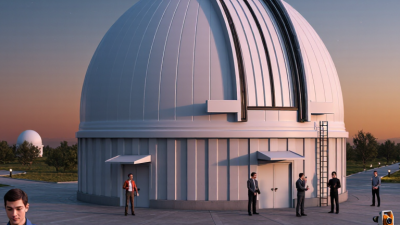
Interior clearance matters as much as external strength. Measure the telescope, mount, cables, and future accessories before fixing the dome diameter. A narrow slit can block targets near the horizon. A poorly placed support beam can interrupt movement completely. One mistake I would reconsider is choosing the smallest practical size to reduce cost. It saved space, but restricted upgrades later. Reliable control systems should include manual operation during power failures. Professional structural calculations and local building checks are worth the expense. A telescope needs stable skies, but its shelter needs stable engineering.

How Dome Designs Protect Telescope Equipment

What Is the Best Telescope Dome Structure?

The best dome structure is the one that controls moisture, wind, dust, and temperature. A rotating slit dome offers strong weather protection. Its narrow opening reduces direct rain and airborne particles reaching the telescope. A clamshell design opens wider and releases trapped heat quickly. However, its seals and motors face greater exposure during storms. A roll-off roof provides excellent ventilation, but it needs clear drainage and reliable locking systems.

Condensation is often the quietest threat. The 2023 ASHRAE Handbook—HVAC Applications identifies 30–60% relative humidity as a common preservation range for controlled environments. Telescope rooms may require tighter limits during rapid temperature changes.

Small fans, insulated surfaces, and dew-point sensors can help prevent water forming on mirrors and metal frames. Do not trust ventilation alone. Warm, humid air can enter quickly after sunset.

Climate resilience now matters more than dome appearance. The World Meteorological Organization reported that 2023 was about 1.45°C above the pre-industrial average. That increase makes thermal management harder in many observing locations.

A practical dome should include passive shading, low-leakage seals, emergency power, and manual release controls. Wind loading must follow local structural standards, not guesswork. Poorly sized vents may also create turbulence around the telescope.

That detail is easy to miss. An imperfect design review should test dust, condensation, power loss, and operator mistakes before construction.

Comparing Fixed, Rotating, and Retractable Domes

What Is the Best Telescope Dome Structure?

Comparing fixed, rotating, and retractable domes requires more than checking purchase price. A fixed dome usually offers the simplest structure, strong weather protection, and easier maintenance. It suits stable observing programs, especially where the telescope points through a limited sky area. However, its narrow opening can restrict targets and create heat pockets after sunset. The 2023 ASCE wind-load standard shows why local wind exposure matters. Coastal and elevated sites may require much heavier framing than sheltered locations.

A rotating dome follows the telescope’s azimuth, keeping the slit aligned with the target. This improves access across the sky and can reduce unwanted wall obstruction. Its motors, tracks, seals, and control systems add failure points. Small alignment errors become noticeable during long exposures. The 2023 International Energy Agency buildings report identifies heating and cooling as major energy loads worldwide. That finding matters here: poor ventilation can trap daytime heat inside the enclosure. A cool metal roof may still hide warm air below it.

Retractable domes open more of the sky and can provide excellent airflow. They are attractive for robotic or rapid-response observing. Yet exposed rails, rainwater, dust, and snow demand disciplined inspection. A 2024 World Meteorological Organization report recorded continued growth in weather extremes, so drainage and emergency closure deserve serious attention. This option looks elegant, but elegance is not reliability. In practice, the best structure may be the one operators can repair quickly, even if its opening is less impressive.

Selecting the Best Dome for Different Observatories

What Is the Best Telescope Dome Structure?

Selecting the Best Dome for Different Observatories

The best dome depends on the observatory’s location, telescope size, and operating schedule. A rotating slit dome suits research sites needing accurate tracking and strong weather protection. Its narrow opening reduces wind exposure during long observations. However, motors, seals, and control systems require regular inspection.

A roll-off roof works well for small observatories and dry inland climates. It opens quickly and allows excellent airflow around the telescope. That airflow can reduce heat trapped near the optical path. I have seen simple systems perform better than expensive designs when maintenance is consistent. Still, dust, snow, and strong wind can create serious problems.

A clamshell dome offers a wide, unobstructed view for robotic or educational observatories. It can open rapidly after sunset, which benefits changing weather. Coastal locations may need corrosion-resistant hardware and tighter drainage. High-altitude observatories should prioritize insulation, low vibration, and reliable emergency closure. Public facilities also need quiet movement and safe access around the structure.

No design wins everywhere. Dome height must clear the telescope at every angle, not only at the zenith. The foundation should match local soil and building requirements. Thermal testing is often overlooked. Warm surfaces can produce unstable air and blur fine details. A practical selection includes wind records, humidity levels, service access, power reliability, and future telescope upgrades. Budget estimates should include installation and yearly maintenance, because the cheapest structure may become the costliest choice.

What Is the Best Telescope Dome Structure? - Selecting the Best Dome for Different Observatories

Dome Structure Best-Suited Observatory Typical Telescope Size Weather Protection Thermal Performance Wind Performance Main Advantages Main Limitations Relative Cost Overall Suitability
Rotating Slit Dome Permanent research, educational, and remote observatories Small to very large instruments Excellent when fully closed; the slit must be closed quickly during rain or snow Good enclosure protection, but heat can accumulate unless ventilation is designed properly Good when closed; performance depends on slit geometry and structural engineering when open All-weather protection, controlled observing aperture, strong security, and compatibility with automated operation Higher construction complexity; rotating mechanisms and seals require inspection and maintenance High Best all-round choice for permanent observatories
Clamshell Dome High-performance optical, robotic, and time-critical observing sites Small to large instruments Very good when closed; open leaves a larger exposure area during observing Excellent natural ventilation and rapid release of stored heat Moderate to good; open panels can be more sensitive to wind loads than a closed dome Wide sky access, fast opening, low internal turbulence, and good horizon visibility More exposed telescope and equipment during operation; panel alignment and sealing are important High Best for low-turbulence observing and rapid access to the sky
Roll-Off Roof Amateur, school, university, and small research observatories Small to medium instruments Good when closed; roof movement and drainage must be designed for local precipitation Very good ventilation because the roof can be fully opened Good when closed; the telescope is more exposed to wind when the roof is open Simple layout, broad sky access, low mechanical complexity, and effective heat removal Requires sufficient site length for roof travel; less suitable for severe wind, heavy snow, or very humid climates without reinforcement Low to medium Best value for many small and medium observatories
Sliding-Roof Enclosure Large amateur systems, instrument platforms, and multi-telescope facilities Medium to large instruments Good when closed; weather sensors and automatic closure are recommended for unattended sites Excellent after the roof is opened because the entire enclosure can equalize with outdoor air Good when closed; structural bracing is essential in exposed locations Large usable interior, easy access around equipment, and excellent ventilation Needs a clear roof travel path and careful protection of rails, drives, and seals Medium Strong option where interior workspace matters
Fixed Roof Enclosure with Aperture Sheltered sites, solar instruments, and facilities with limited moving mechanisms Small to medium instruments Good when closed; the aperture design must prevent water entry and wind-driven snow Fair to good; passive ventilation is important because the roof remains largely enclosed Good when properly braced; the aperture can create localized wind effects Simple, robust, and potentially economical where the observing field is limited Restricted sky access and less flexibility for targets at low elevations Low to medium Best when simplicity and shelter are prioritized
Portable or Trailer-Mounted Dome Outreach programs, temporary surveys, and mobile observing campaigns Small instruments Moderate; setup must be secured and weather limits should be clearly defined Good when open, but internal temperature changes can be rapid during transport and setup Fair to moderate; anchoring and leveling are critical Transportable, flexible, and suitable for locations without permanent construction Smaller interior volume, limited payload, and greater sensitivity to uneven ground or strong wind Medium Best for mobility rather than permanent protection
Selection note: The best structure depends on local wind, snow, rainfall, humidity, temperature range, observing automation, telescope size, available site area, and maintenance capability. A weather station, automatic closure system, adequate ventilation, drainage, and structural design for local building loads should be included in any permanent installation.