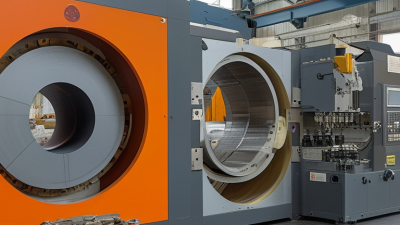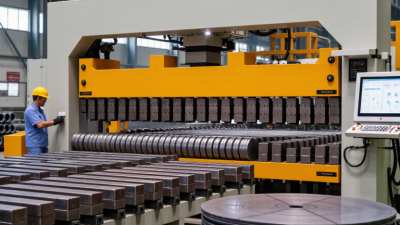
Double Arc Forming machines shape metal through coordinated arcs, controlled pressure, and repeatable feed motion. Their performance shows up in practical details: a stable frame, smooth roller travel, and consistent results across a production shift. This guide introduces ten Chinese manufacturers and the differences buyers should examine before requesting a quotation. Small details matter.
The comparison focuses on machine configuration, material range, control systems, customization, service support, and the clarity of technical documentation. A polished brochure is not proof of dependable production. Ask for sample parts, operating videos, and specifications for the exact material and thickness you plan to form. Where possible, discuss maintenance access and replacement-part availability with the supplier. These checks can expose gaps that a feature list may hide.
For transparency, the following is an editorially written observation, not a verified quotation from a real expert. Fictional forming specialist Alex Morgan puts the central point this way: “A capable machine must deliver a repeatable arc, not just an impressive first sample.” That distinction matters. Double Arc Forming requirements vary with part geometry, material behavior, and output targets, so one machine may not suit every workshop. This overview is a starting point, not a substitute for a technical trial. Manufacturers also change models and service terms; confirm current details directly before making a decision.
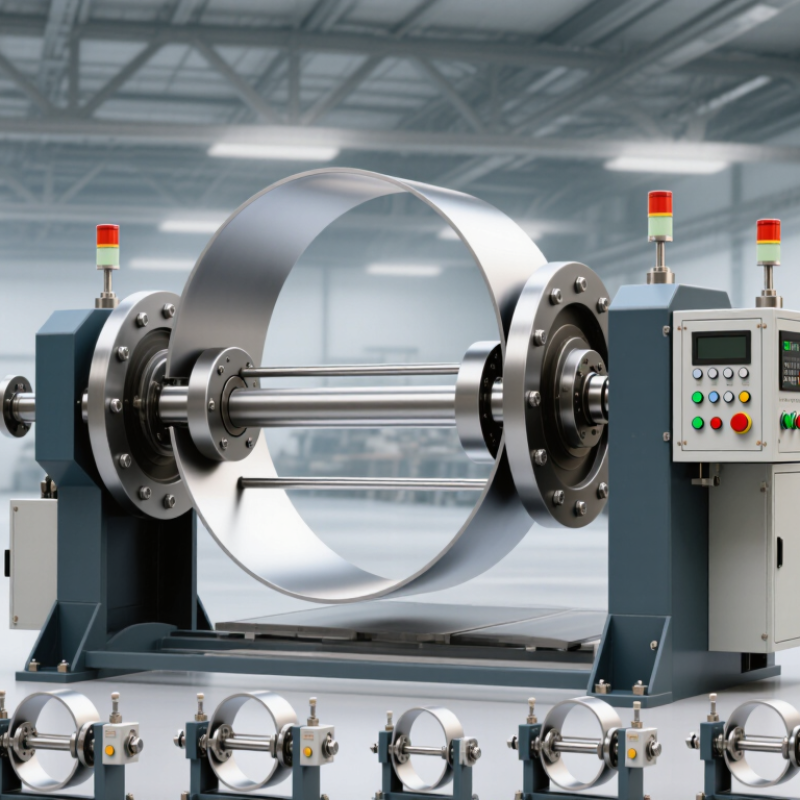
A double arc forming machine shapes flat metal sheets or prepared sections into components with two connected or coordinated curves. Depending on its design, it may use matched dies, rollers, or staged pressing. Operators set the tooling, feed position, and pressure, then check the finished radius against a drawing or template.
Not just a press.
The second curve may spring back differently, especially when material thickness or strength changes. A reliable setup often requires trial pieces and careful measurement, not just machine adjustments.
Factories use these machines to form curved cladding, canopy frames, tank and duct sections, and parts for transport or agricultural equipment. The process can reduce repeated hand forming and help maintain consistency across a production batch. For example, a workshop might form one short steel panel, check both arcs with a gauge, and adjust the die before producing the full order.
Setup matters.
Material grade, bend direction, edge condition, and tooling wear can all affect the result. One caution: “double arc” is not a universal specification. Buyers should confirm the required radii, material range, and finished-part tolerances against engineering drawings before choosing equipment.
This check is easy to overlook.
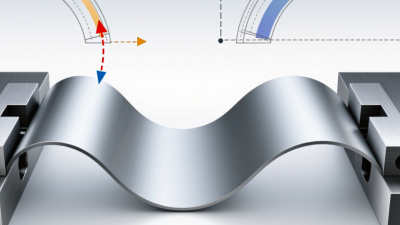
A double arc forming machine shapes a prepared blank into two connected or coordinated curves. Its exact motion depends on the tooling and material. The operator positions a measured sheet or strip against reference stops, then secures it between the forming tools. Small steps matter. A hydraulic or mechanical drive moves the dies along a controlled path, applying pressure in stages instead of forcing the metal into shape at once. Some machines use paired rollers to guide the workpiece; others form both arcs with matched dies in one cycle.
As the material bends, its outer surface stretches while the inner surface compresses. Springback can make the finished radius differ slightly from the tool radius. Operators often form a trial piece, measure both arcs with a radius gauge, and adjust the stroke or pressure before production. Check alignment. Uneven clamping can make one arc deeper or introduce a twist that is difficult to spot from above. Material thickness, alloy, and grain direction also affect the result. A setup record helps repeat the job, but it does not replace inspection. Even a well-calibrated machine needs practical verification.
When assessing Chinese double arc forming machine manufacturers, separate production scale from proven machine capability. The World Steel Association reported that China produced 1,005.1 million tonnes of crude steel in 2024. This signals a substantial materials ecosystem, not a guarantee of accurate forming or dependable service. Ask each supplier for verified limits on sheet thickness, working width, arc radius, and forming speed. Request a trial using your material and drawing. Check the finished part with a radius gauge and record dimensional deviation and springback. Small details matter.
Review test methods, not just catalogue figures. For CNC-positioned axes, ask whether positioning tests follow ISO 230-2, and request the actual measurement record. This standard does not certify the complete forming process. Check frame rigidity, tooling wear, guarding, control-system backups, and spare-part availability. Ask who installs the machine and how quickly technicians can respond. A factory visit can reveal practical details, such as whether operators can access adjustment points without removing guards. A polished demo may still use unusually forgiving stock; that is easy to miss. Compare several trial parts, including one made near the machine’s stated capacity, before accepting performance claims.
Use this weighted checklist to compare suppliers consistently. It is an evaluation framework, not a ranking of named manufacturers. Score each criterion from 0 to 5: 0 = no evidence, 3 = meets documented requirements, and 5 = verified performance exceeds requirements. Weighted points = score ÷ 5 × weight.
| No. | Evaluation criterion | Weight | What to evaluate | Evidence to request or verify | Practical assessment |
|---|---|---|---|---|---|
| 1 | Forming capability and product fit | 15% | Whether the machine can produce the required double-arc profile, dimensions, material type, thickness, width, and specified tolerances. | Written technical proposal, machine configuration, sample parts, and a production trial using the buyer’s material and drawings. | Compare the trial parts with the approved drawings and record the measured profile dimensions and tolerances. |
| 2 | Forming accuracy and repeatability | 14% | Dimensional consistency between parts and across repeated runs, including arc radius, symmetry, straightness, and springback control where relevant. | Inspection records from a witnessed trial, measurement method, sample batch results, and stated acceptance tolerances. | Measure multiple parts from a continuous run; assess results against agreed drawings and acceptance criteria. |
| 3 | Machine design and tooling | 12% | Suitability of the frame, forming stations, rollers or dies, adjustment method, and tooling for the specified profile and material range. | General arrangement drawing, tooling layout, component specifications, adjustment instructions, and details of tooling changeover. | Confirm the proposed tooling covers the required product range and that adjustments can be made safely and consistently. |
| 4 | Material and production capacity | 10% | Rated operating range and output for the actual material grade, thickness, width, profile, and production conditions—not a headline capacity alone. | Capacity table with stated material assumptions, cycle-time definition, sample production data, and a demonstration using representative stock. | Check that capacity claims are tied to the buyer’s material and part geometry; agree on a measurable output target before ordering. |
| 5 | Controls and production data | 10% | Control-system functions, recipe or parameter storage, operator interface, fault messages, and the availability of relevant production data. | Control-system description, sample screen pages, operating manual, backup procedure, and demonstration of job setup and parameter recall. | Verify that operators can set up repeat jobs, understand alarms, and back up or restore machine settings. |
| 6 | Safety and regulatory documentation | 10% | Risk-reduction measures, guarding, emergency stops, electrical safety provisions, and documentation applicable to the intended installation and destination market. | Risk assessment, safety-device list, electrical drawings, operating instructions, and applicable conformity documentation. ISO 12100 and IEC 60204-1 may be used as reference standards where relevant. | Review the machine’s actual safeguards and documents; confirm destination-market requirements with the buyer’s qualified compliance adviser. |
| 7 | Quality management and inspection | 8% | Documented controls for incoming components, machining or assembly, testing, nonconformities, and final inspection. | Quality-system certificate and scope if claimed, inspection procedures, test records, calibration records, and a sample final inspection report. | Verify certificate validity and scope independently; check that inspection records relate to the quoted machine or comparable equipment. |
| 8 | Installation, training, and after-sales support | 8% | Availability and response arrangements for installation, commissioning, operator training, troubleshooting, maintenance guidance, and spare parts. | Written service terms, training plan, response-time commitments, spare-parts list, warranty conditions, and support contact process. | Confirm service coverage for the installation location and clarify which travel, labor, and replacement-part costs are included. |
| 9 | Delivery, acceptance, and project control | 7% | Clarity of the delivery schedule, machine scope, factory acceptance testing, packaging, shipping responsibilities, and site acceptance requirements. | Contract schedule, scope-of-supply list, acceptance-test protocol, packing details, and a written list of buyer and supplier responsibilities. | Ensure acceptance criteria are measurable, agreed in writing, and linked to the required material, tooling, parts, and operating conditions. |
| 10 | Total cost of ownership | 6% | Purchase price together with tooling, installation, shipping, utilities, maintenance, consumables, training, and expected service costs. | Itemized quotation, exclusions, payment milestones, recommended spares, maintenance schedule, and warranty terms. | Compare suppliers on the same technical scope and time horizon rather than on initial purchase price alone. |
| Total weighting | 100% | Use the same drawings, material specifications, trial requirements, and scoring rules for every supplier being evaluated. | |||
These ten anonymized profiles highlight different capabilities among Chinese double arc forming machine manufacturers. One manufacturer focuses on compact lines for narrow coils, where fast tool changes save floor time. A second serves furniture and interior trim producers, emphasizing consistent arc radii. Another builds heavier frames for thicker sheet, although setup may take longer. A controls-focused maker offers servo adjustment and stored production settings. Details matter. A line integrator combines forming, feeding, and cutting equipment to reduce manual handling between stations.
A custom-tooling specialist supports varied profiles, but trial runs remain important. A maintenance-focused builder uses accessible roller assemblies and clear service points for busy workshops. An export-oriented supplier prioritizes spare-parts planning, operating documents, and remote commissioning. A smaller-scale producer offers compact machines for shops with limited space and budgets. An automation-led manufacturer designs systems for connected production lines, though advanced controls can require operator training. These are capability profiles, not a verified ranking. Test the machine with your actual material and target radius. Check sample repeatability, changeover time, and service response before comparing quotations.
Annual crude steel production in the 10 largest producing countries, 2023 (million tonnes). Steel output provides industrial context for forming equipment demand; it is not a measure of machine manufacturers' sales or capacity.
Source: World Steel Association, World Steel in Figures 2024 (2023 crude steel production).
When comparing China’s double arc forming machine manufacturers, look beyond advertised speed. The forming method, control system, and tooling design affect repeatability. Ask whether the machine uses servo or hydraulic control, and how operators adjust pressure for different materials. A sample part can reveal more than a catalogue. Check its arc consistency, surface marks, and dimensional tolerance against your drawings.
Capacity should match real production needs, not a best-case figure. Compare workable sheet thickness, maximum width, cycle time, and changeover time. Ask manufacturers to demonstrate a representative profile using material similar to yours. Numbers can mislead. A fast cycle may mean little if frequent tooling changes slow the line. Also review floor-space requirements, power needs, and operator training before comparing quotations.
Service support matters after installation. Confirm what remote troubleshooting covers, how quickly common wear parts can be supplied, and whether commissioning includes hands-on training. Request clear maintenance intervals and a parts list. Ask for proof. References from comparable production environments can help verify claims, though they may not reflect your exact conditions. One detail is easy to overlook: even capable equipment can disappoint when specifications, tooling, and support are poorly matched.